



Globalstar Outlines Its Planned 48-Satellite Constellation, Part of a $1 Billion Investment, As It Pursues US License

Originally published by Space Intel Report. Read the original article here.
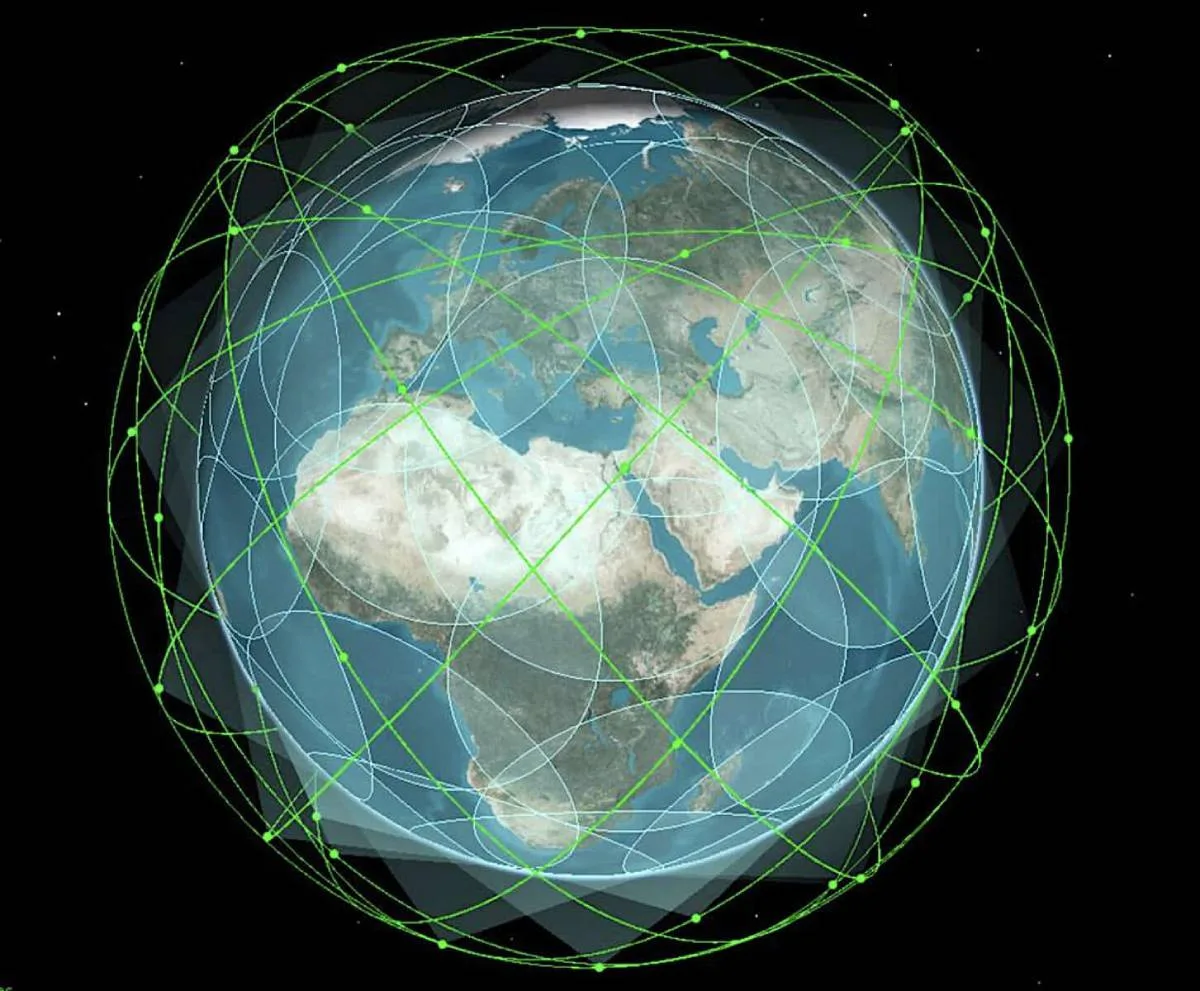
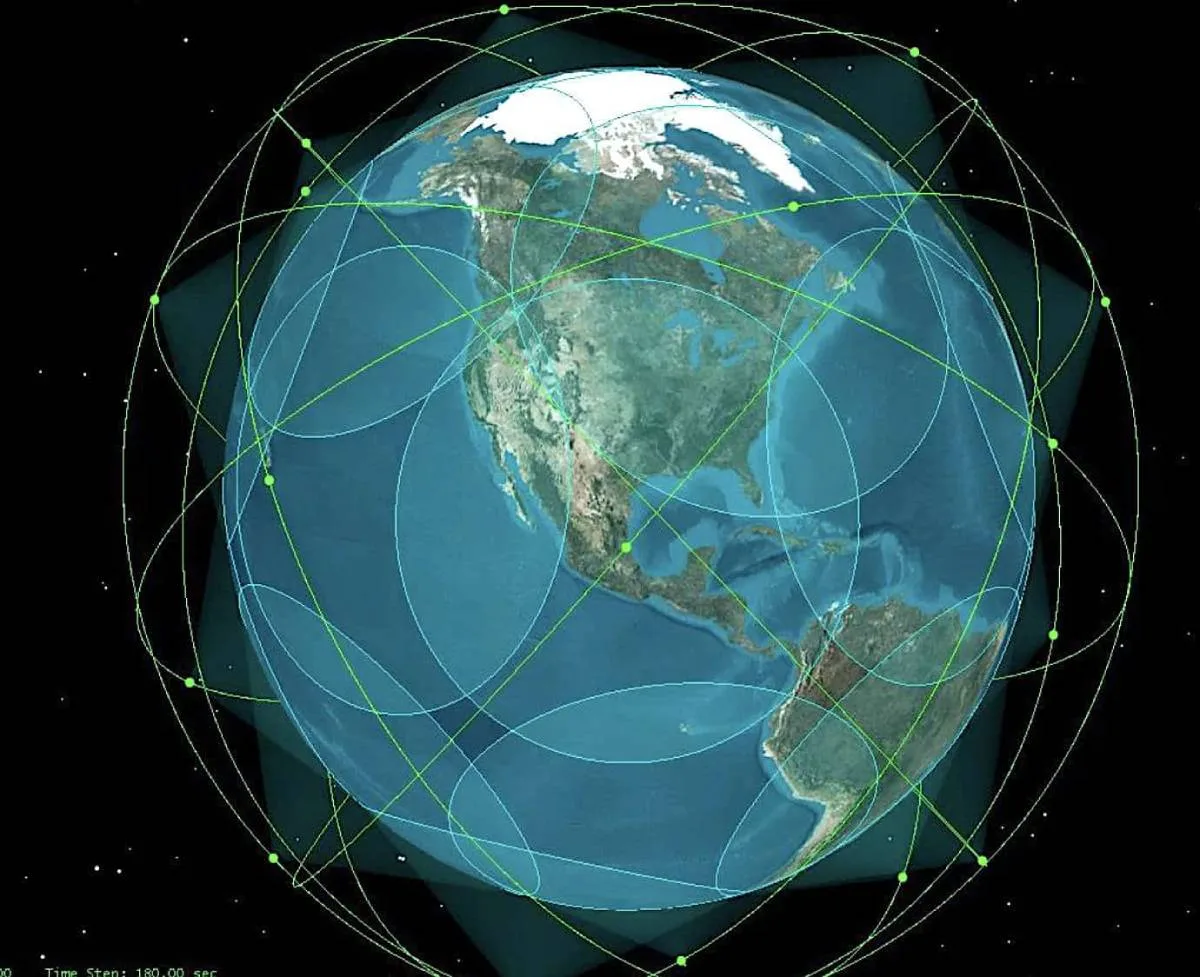
LA PLATA, Maryland — Mobile satellite services provider Globalstar said its new constellation being built mainly with Apple financing will include 54 satellites, including six in-orbit spares, operating from the same 1,414-kilometer orbit as the Globalstar’s current 24-satellite constellation.
In a Dec. 30 filing with the US Federal Communications Commission (FCC), made as part of Globalstar’s ongoing request for an FCC operating license for the new constellation, Globalstar said the 17 satellites designed to replenish the existing fleet would be be launched “by 2026,” without specifying a date.
These satellites, being built by MDA Space of Canada and Rocket Lab USA, are behind schedule for reasons that probably won’t be clarified until MDA and Rocket Lab settle their accounts to determine who owes what share of any liquidated damages imposed by Globalstar for the delay.
The 17 satellites are scheduled for launch on two SpaceX Falcon 9 rockets.
Globalstar is still vague on what services it can offer on the new C-3 constellation
Globalstar and MDA have been vague on what the next-generation constellation looks like and what services it will offer beyond the messaging provided by today’s network.
Globalstar signed two contracts with MDA, in November 2023 and February 2025, totaling 1.1 billion Canadian dollars, or $801 million, for the constellation, which up to now has been described as “more than 50” satellites.
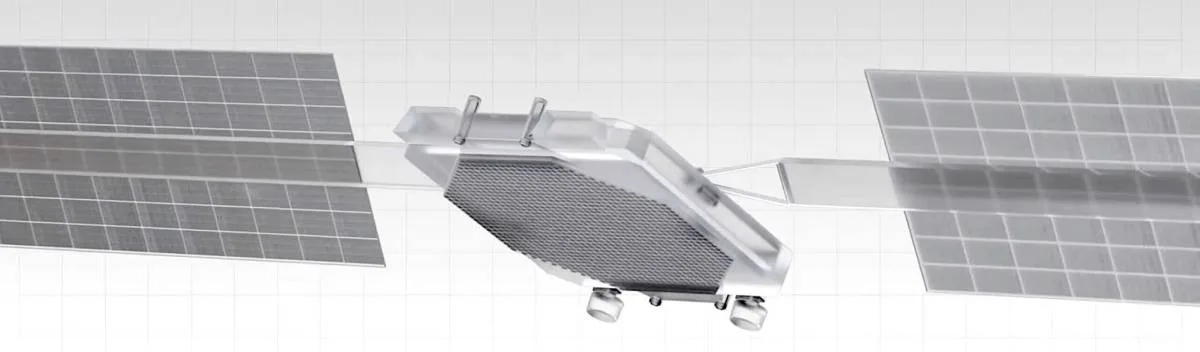
The spacecraft are based the same software-define Aurora platform that MDA is debuting with the Telesat Lightspeed Ka-band broadband constellation, but with modifications for its direct-to-device function. An Aurora-dedicated factory outside Montreal is scheduled to be in service in the coming weeks. MDA has said it would build up slowly to the factory’s output capacity of two satellites per day over the next two years.
“The C-3 system represents more than $1 billion total investment” in both the satellites and the ground network. “Operation of the C-3 System in the United States will augment provision of Globalstar’s services as well as the direct-to-device features that Globalstar supports today,” Globalstar said.
“The C-3 System’s use of new technologies — including dynamic beam forming and the ability to transmit higher-power beams — will expand Globalstar’s range of MSS products and services.”
The C-3 constellation is registered in France and is currently awaiting an operating license from the French government.
The D2D industrial landscape has been remade since the February 2025 Globalstar-MDA contract. SpaceX has deployed hundreds of Starlink D2D satellites using terrestrial spectrum following agreements with mobile network operators, and AST SpaceMobile is moving forward with its constellation, albeit at a much slower pace. SpaceX and AST have both purchased MSS spectrum for their networks, sharpening their competitive challenge to companies including Globalstar and Iridium.
EchoStar Corp.’s September decision to scrap its own contract with MDA for an Aurora-based D2D constellation and to sell its spectrum to SpaceX was at least in part an acknowledgement that competing with SpaceX’s Starlink will be a heavy lift for anyone.
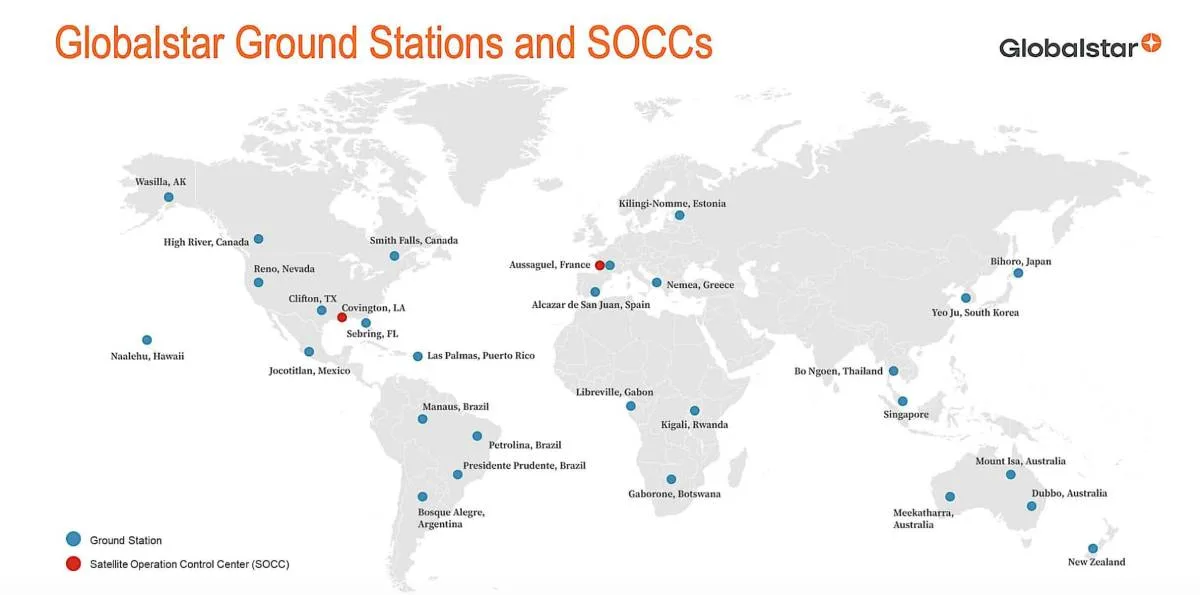
For the moment, it looks like Globalstar and Apple are pursuing their expansion plans and maintaining the MDA contract. Globalstar has announced it will deploy 90 new Earth station antennas at 35 gateway sites in 25 nations. It provided the FCC with photographs showing new construction at many of these sites. Plans include more than 15 new feeder link Earth stations for the C-3 constellation the United States and its territories.
Globalstar is urging the FCC not to permit Starlink to operate in Globalstar-licensed spectrum, which the company said “would inevitably cause extensive harmful interference to Globalstar’s services.”
Originally published by Space Intel Report. Read the original article here.