Space is a Network.
Constellations is Your Connection.

Space Domain Awareness (SDA)

Constructing the Next Space Age

Frequent satellite launches, regular lunar missions and new capabilities like on-orbit repair and refueling all precipitate the next big step in space technology: building large-scale infrastructure in space. Welcome to the world of on-orbit construction.

Satellite Communications (SATCOM)

MNOs and OEMs Need To Adopt Satellite D2D Now

This article explains how satellite direct-to-device (D2D) is a viable commercial opportunity for mobile network operators (MNOs) to grow their subscriber base and for original equipment manufacturers (OEMs) to create new products and expand their customer base.

Kratos and industry leaders showcased how telco/satcom integration can deliver uninterrupted data access during disasters. Their award-winning demo at DTW Ignite proves that hybrid networks aren’t just possible—they’re lifesaving. This Catalyst project sets a new benchmark for resilient, mission-critical communications. It’s a blueprint for how technology can serve humanity when it matters most.

Satellite Connectivity & Technology

The Rules of Spectrum Are Changing As We Speak

Spectrum is limited, but dynamic spectrum sharing mechanisms could open up entire bands to new commercial users. Meanwhile, FCC has announced plans to open spectrum across twelve different bands, NGSO feuds with both GSO and wireless, and changing spectrum allocations are changing industry dynamics.

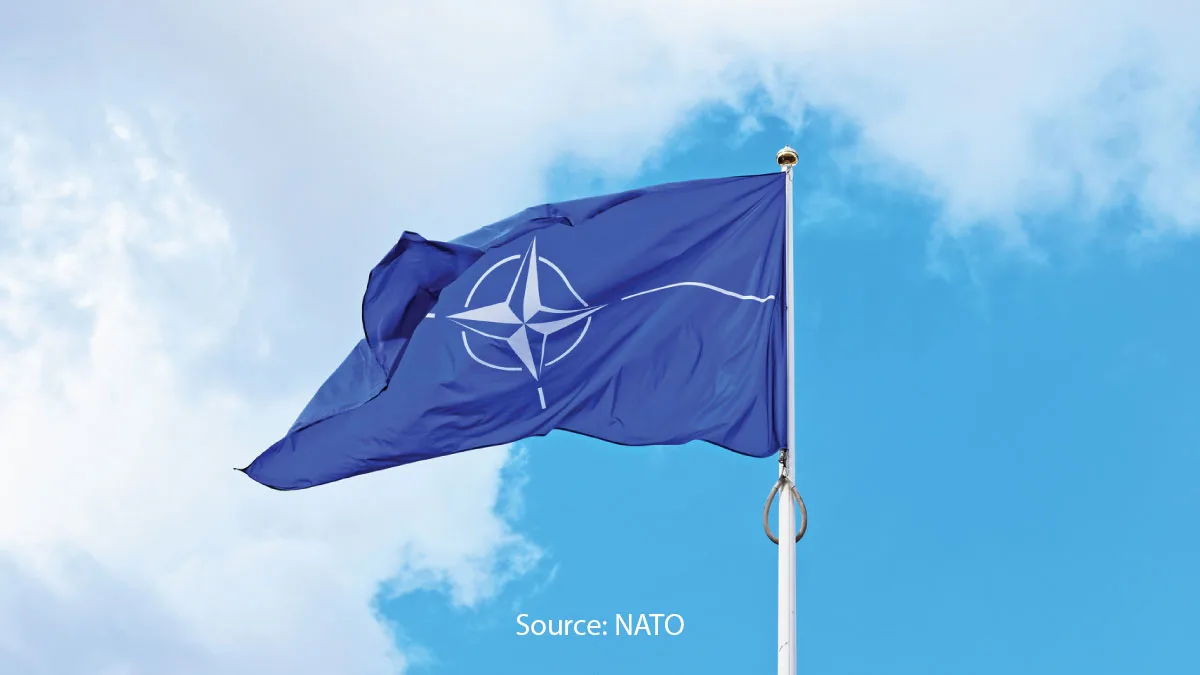
European nations are looking to expand their sovereign space capabilities while also collaborating with other European allies and NATO to strengthen the EU’s collective posture in the domain. Representatives from NATO and ICEYE discuss what is behind this growing space sovereignty trend and delve into the satellite capabilities European nations seek to acquire.

The alliance’s new Commercial Space Strategy aims to integrate private sector space capabilities for collective security. This policy focuses on making commercial space assets interoperable among the 32 member nations and with their own government satellites. However, it leaves open questions about future budgets and how the alliance will secure priority access to these commercial services during a crisis.