
Space is a Network.
Constellations is Your Connection.

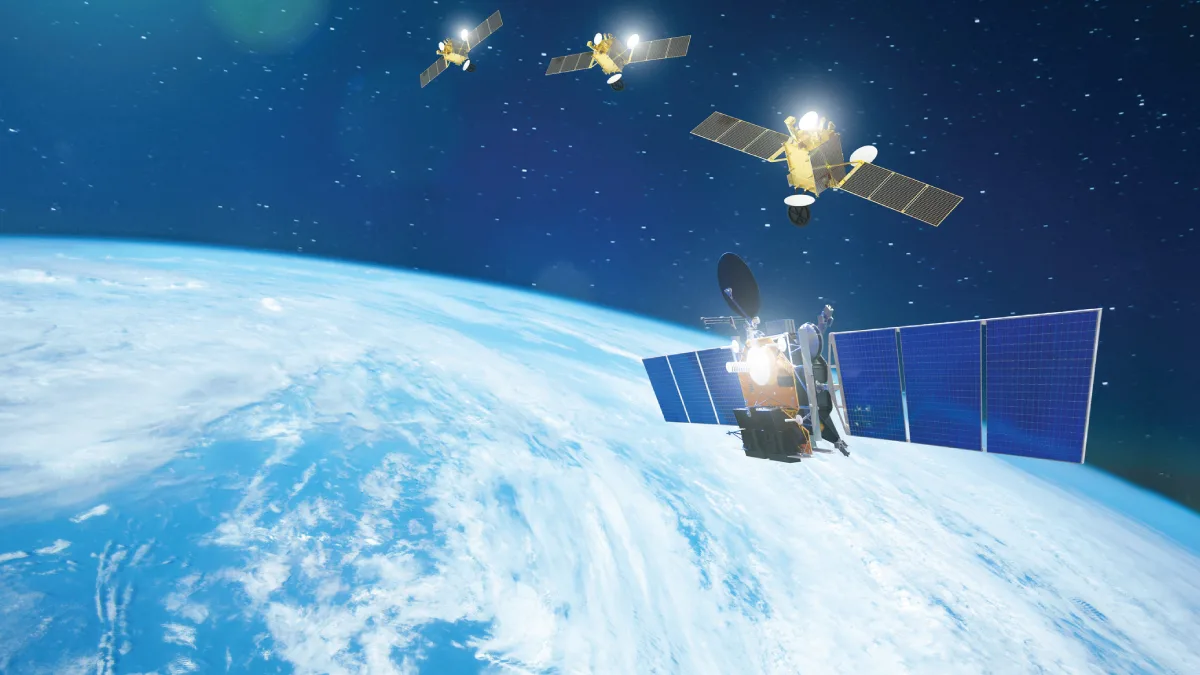
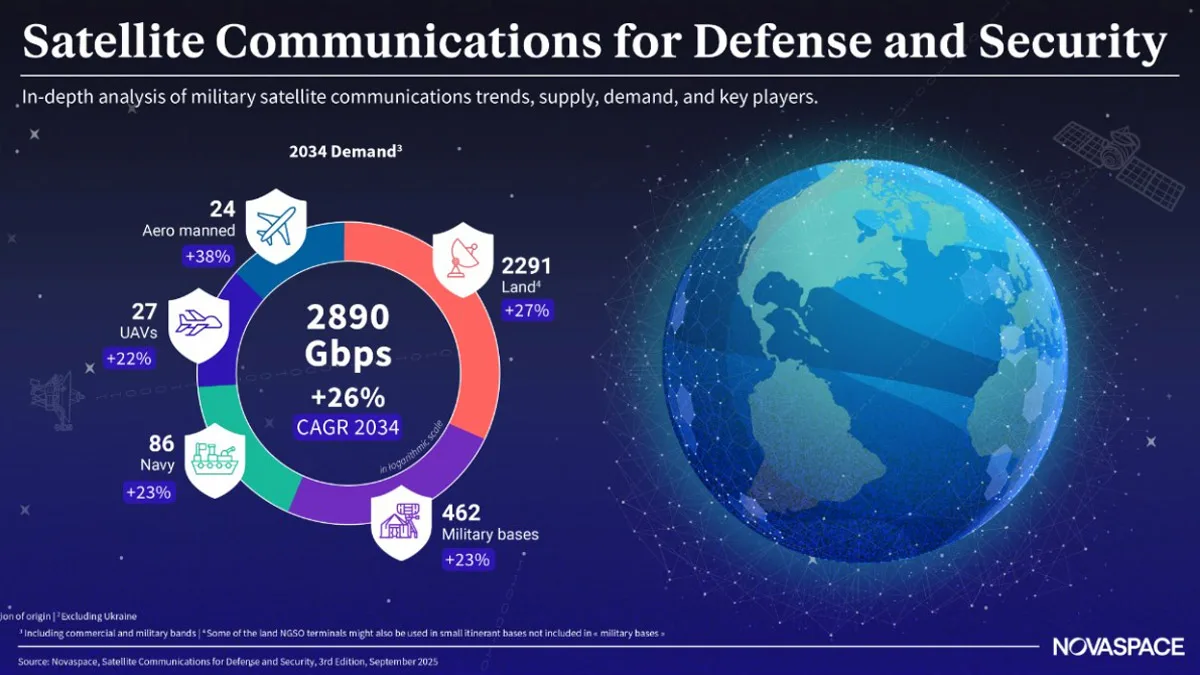
Rising global tensions and the need for resilient connectivity are driving a dramatic pivot from traditional geostationary satellites to more agile low-Earth orbit constellations. With demand growing at 26% annually, this transformation represents one of the fastest-growing segments in the defense technology sector.


Starlink’s Priority guarantees are changing the game for backhaul, enterprise, and maritime connectivity in ways Christopher Baugh and Lluc Palerm unpack in this episode. Traditional providers must now sharpen differentiation, defend quality in niche verticals, and translate service-level commitments into clear commercial value.

During a live demonstration, engineers pulled the plug on an antenna mid-transmission, yet the satellite link never faltered—automatically switching to a backup site without missing a beat. This breakthrough in digital IF technology promises more resilient communications for U.S. forces, with AI-powered insights emerging as the next frontier.

Artificial Intelligence & Analytics

Agentic AI for the Satellite Operator

Agentic AI is a highly evolved LLM that can leverage reason and decision making, be instructed with language rather than coding, and is highly scalable across large networks. Because of this, it is an ideal solution for complex satcom capacity planning, especially in contested and congested areas.

Satellite direct-to-device (D2D) technology—originally designed for commercial connectivity—is emerging as a valuable complement to military communications, offering resilient, low-bandwidth links for logistics, IoT, and situational awareness in contested environments. How battle-tested commercial systems are evolving to meet defense needs, from PNT-enabled sensors to S-band architectures that can operate “hidden in plain sight.”