




Space is a Network.
Constellations is Your Connection.

Skylo Technologies, a satellite direct-to-device provider, is leveraging licensed spectrum from geostationary satellites for its initial services in Europe and North America, while remaining open to both GEO and LEO architectures and emphasizing the importance of 3GPP standards for mobile connectivity.

Two United Nations agencies appealed to international telecommunications regulators to block attempts by terrestrial mobile interests to get access to spectrum used by high-resolution radar satellites to assess climate change. It was eight years ago, that ITU delegations agreed to double the amount of spectrum allocated to radar Earth observation measurements, to 1,200 MHz. The new spectrum resulted in higher-resolution imagery.

Any company designing a data-relay or broadband satellite constellation would prefer to hold off selecting its laser communications terminal (LCT) supplier until the U.S. Space Development Agency (SDA) has performed in-orbit validation of at least two, if not all four, of the LCT providers it’s working with. Telesat, Rivada Space Networks, Kepler Communications, the European Commission and others have set deadlines coming up before the SDA has done its testing.

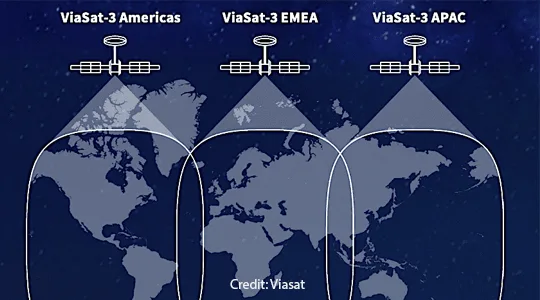
The Viasat-3 Americas satellite has definitively lost more than 90% of its expected terabit-per-second of throughput but Viasat Inc. has concluded that capacity it has leased from third parties, plus fleet additions from its Inmarsat acquisition, will mean the satellite will not be replaced.

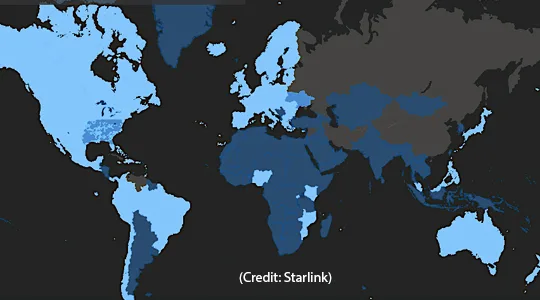
The outage of the Starlink satellite network on Sept. 13 lasted no more than about an hour but is an example of why having backup capacity is essential for some business applications, industry officials said. “Resilience of the architecture is key,” said Steve Nixon, chief executive of the Smallsat Alliance.