Space is a Network.
Constellations is Your Connection.

Business Strategy

Satellite insurers are recalibrating risk models as mega-constellations, orbital congestion, emerging technologies and new mission profiles reshape how the industry evaluates and covers an increasingly complex space market.

Orbital sustainability is becoming a strategic business imperative as satellite growth and congestion drive demand for automated collision avoidance, coordinated traffic management, spacecraft servicing and stronger global regulations.

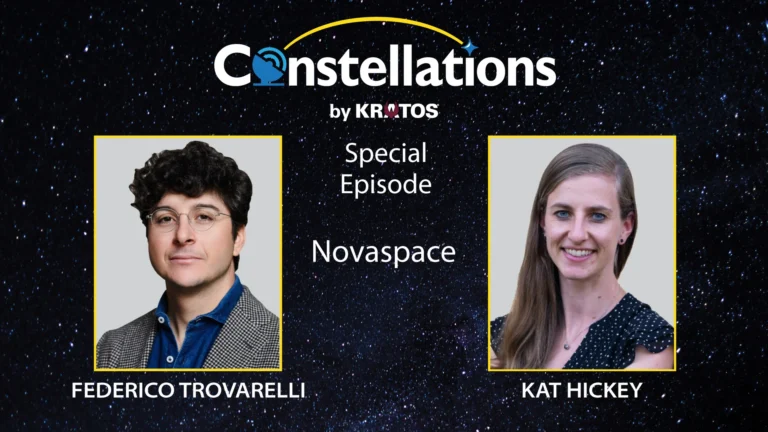
Kat Hickey and Federico Trovarelli of Novaspace explore how orbital sustainability is evolving from an environmental concern into a business imperative shaping investment, regulation, spacecraft design and operations.

Digital Transformation

What’s in Store at VOSS

Constellations talked to the Space ISAC team about what to expect from the 2026 Value of Space Summit, what’s new about the event and what they most love about the location.

NASA’s new lunar base plans could generate billions in commercial opportunities, but Artemis delays, technical challenges and continued dependence on government funding are likely to push large-scale growth of the lunar economy deeper into the 2030s.

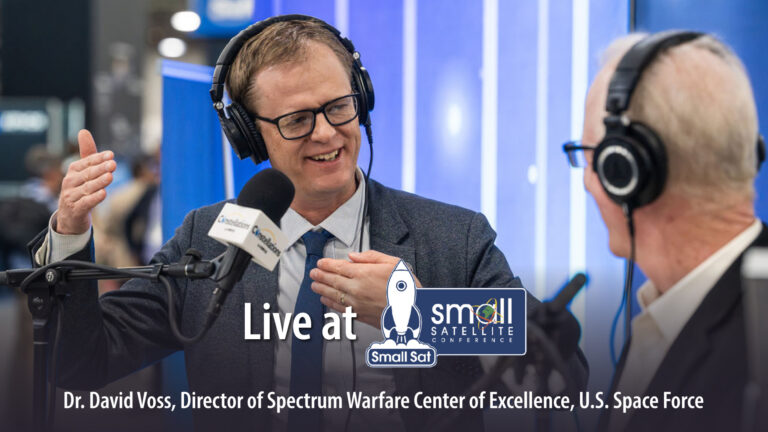
Dr. David Voss of the Space Warfighting Analysis Center explores why mission architectures matter, how resilience is truly achieved in real-world operations, and what becomes possible as the space community advances toward a more connected, interoperable future.

Standardized cybersecurity frameworks are giving the space industry a common language to share threat intelligence, accelerate defenses and ultimately enable machine-to-machine protection against sophisticated attacks.

The commercial space sector faces an escalating talent crunch for experienced, flight-proven engineers, forcing satellite and aerospace companies to rethink compensation, recruit from adjacent tech sectors and invest in internal training.

From falling launch costs to the rise of multi-orbit architectures, the sector is reshaping how capital flows into space infrastructure. Explore the four biggest trends driving this transition and what they mean for operators and investors.

Space ISAC’s review of 2026 threats examines how escalating geopolitical conflict, cyberattacks, AI-enabled threats, electronic warfare, supply chain vulnerabilities and increasingly contested orbits are reshaping the security and resilience of the global space sector.

Dr. Kelly Backes of MITRE discusses how the space industry can prepare for the quantum era and which technologies have the greatest impact on the security and resilience of future space systems.