Space is a Network.
Constellations is Your Connection.

By moving AI processing directly onto satellites, the industry is shifting from slow, massive data dumps to real-time “event” detection at the edge. This evolution allows orbital sensors to filter through the noise and send instant, actionable insights—like a wildfire alert—instead of making analysts wait hours for a full downlink.
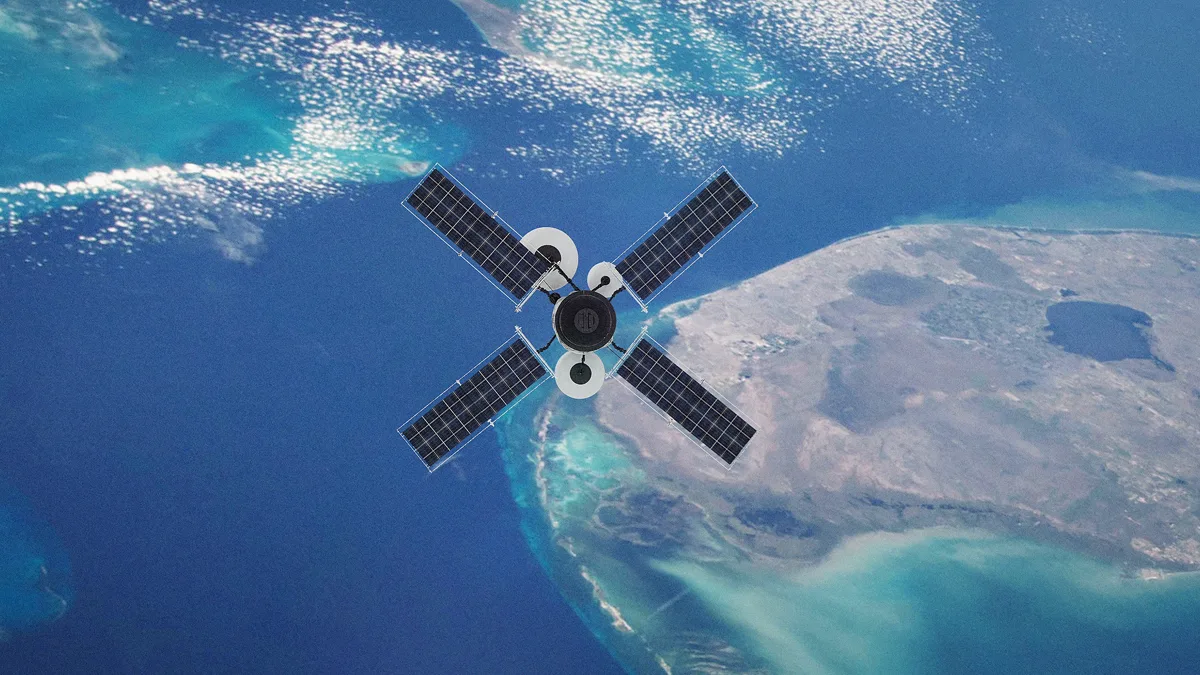
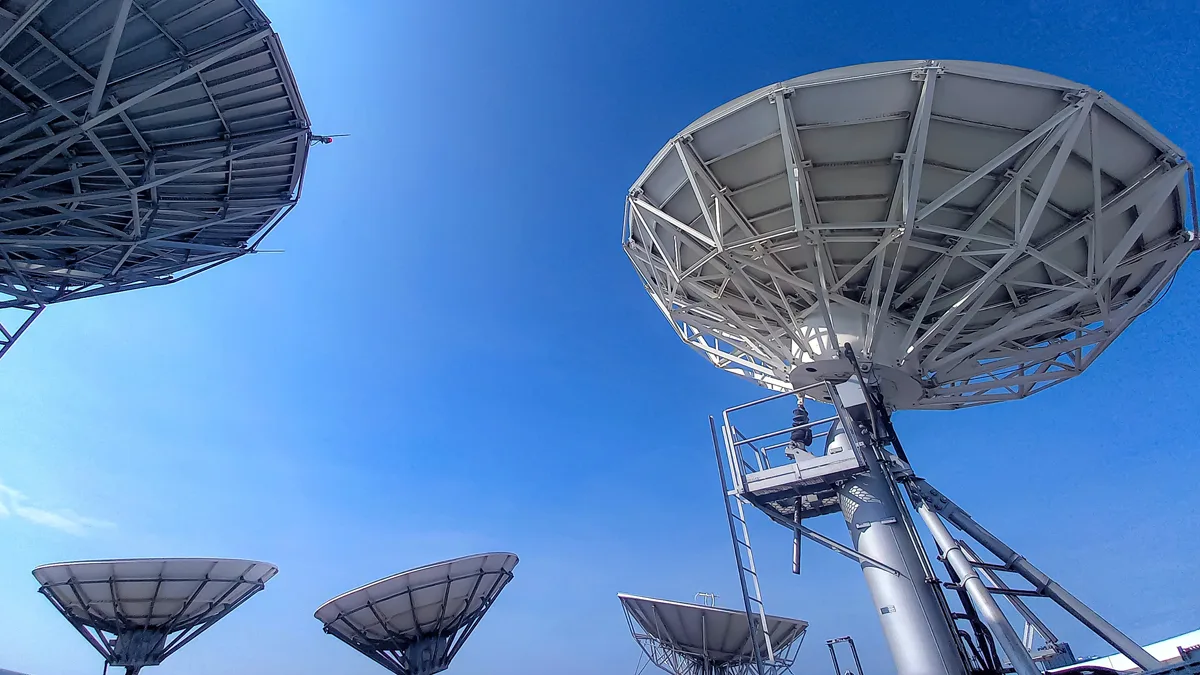
As the United States reshapes its military space posture for a more contested orbital environment, it is emphasizing proliferated satellite architectures, closer integration with commercial industry and more flexible acquisition strategies to sustain operational advantage. At the same time, analysts warn that long-term strategic planning, industrial capacity in space and clearer capability signals to industry will be critical to ensuring resilience, deterrence and mission effectiveness in future conflicts.

Highlights from a webinar on the business case for virtual ground systems explain how software-defined architectures are helping satellite operators scale constellations more efficiently while reducing costs and speeding deployment. The discussion outlines how virtualization supports multi-orbit operations, cloud integration, and evolving 5G-NTN capabilities, strengthening flexibility and return on investment for modern satellite networks.

Following lessons learned from the conflict in Ukraine, the 32-nation alliance is moving beyond traditional geostationary leases to integrate LEO, MEO, and HEO constellations for more resilient connectivity. This strategic evolution includes a revamped procurement policy designed to bypass bureaucracy and potentially return NATO to owning its own space-based transponders by 2034.

Ground Segment & Telemetry

Making Gateways More Resilient

The physical attack on an SES gateway in Israel marks a turning point in how we view satellite infrastructure, shifting the focus from cyber threats to the urgent need for kinetic resilience. By adopting standards like DIFI to virtualize and distribute ground segment operations, organizations can ensure connectivity remains seamless even if a specific physical site is compromised.

TransAstra’s innovative “Capture Bags” are designed to snag hazardous debris today, but the same inflatable technology is being built to harvest asteroids tomorrow. Discover how tackling the orbital debris crisis could ultimately unlock a massive new economy built on millions of tons of space-based materials.

Repeated GEO close approaches—led by Russia’s Luch satellites—are now seen as deliberate, not anomalous. They’re driving persistent SSA/SDA and a shift to more resilient, software-defined ground and space systems.

In today’s threat environment, electronic warfare is as consequential as kinetic effects. Resilience is a going concern not only for national security space but for the commercial assets that underlie modern critical infrastructure.