



Space is a Network.
Constellations is Your Connection.

Digital Infrastructure

Artificial Intelligence & Analytics

AI Becomes Mission Control

AI is emerging as a critical tool for more resilient space operations, helping operators manage growing constellations, detect cyber threats, avoid collisions, predict failures and enable greater spacecraft autonomy.

Decades of satellite missions have generated vast amounts of dark data that remain largely unprocessed due to technical complexity, limited funding and a growing gap between data collection and analysis capabilities. Unlocking this data will require AI, improved onboard processing, open-source collaboration and stronger investment in academia and national labs to turn archived information into scientific, commercial and strategic value.

Advances in AI and onboard computing are gradually enabling satellites to take on more autonomous functions, particularly in processing data and managing operations in orbit. While autonomy can improve efficiency, technical constraints, connectivity limits and policy concerns mean this shift will be incremental rather than immediate.

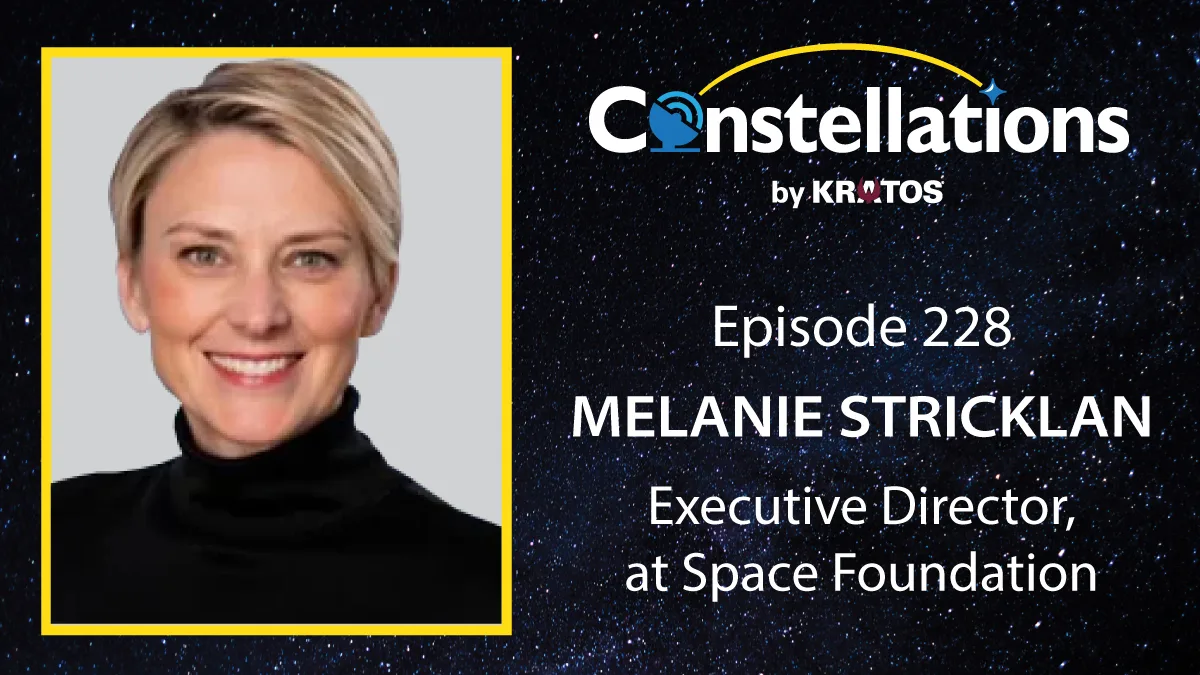
Melanie Stricklan of Space Foundation examines the growing complexity of modern space operations, showing how orchestrating space, ground, and cloud systems-and tackling issues like semantic misalignment and AI-driven autonomy-is redefining how missions succeed.

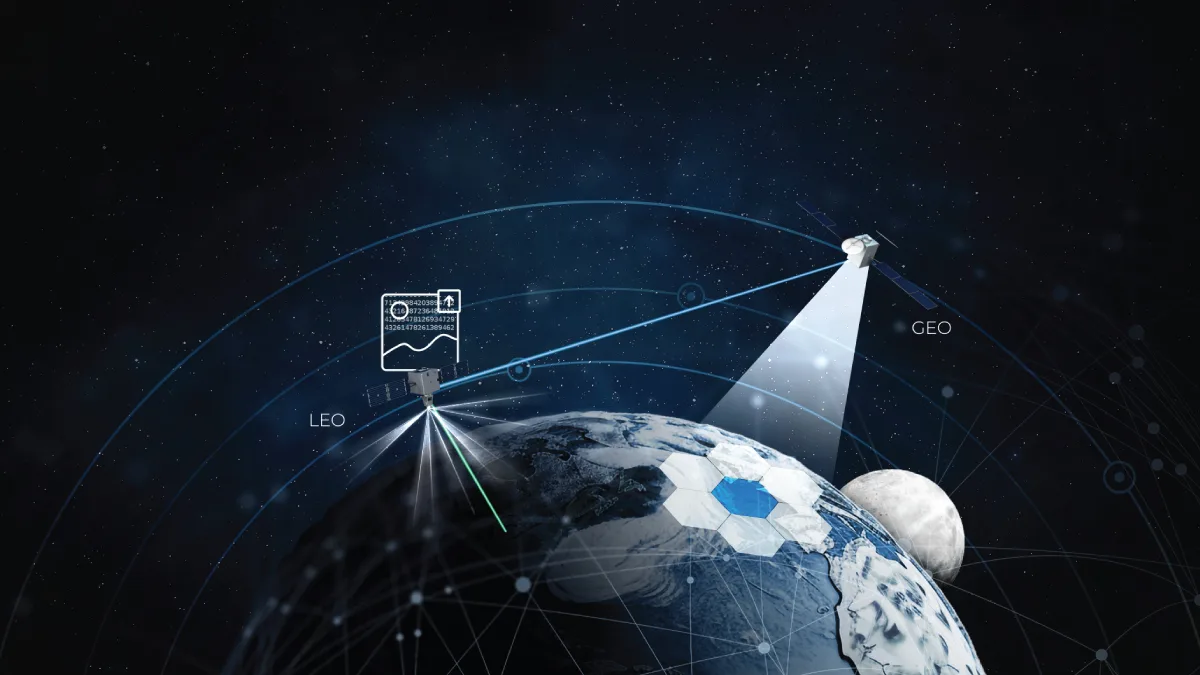
Deployment of operational optical inter-satellite links is reshaping multi-orbit data flow by enabling continuous, low-latency, cloud-like routing in space. Kepler Communications CEO Mina Mitry discusses how optical relays, on-orbit processing and interoperability standards are laying the foundation for scalable, real-time space networking.

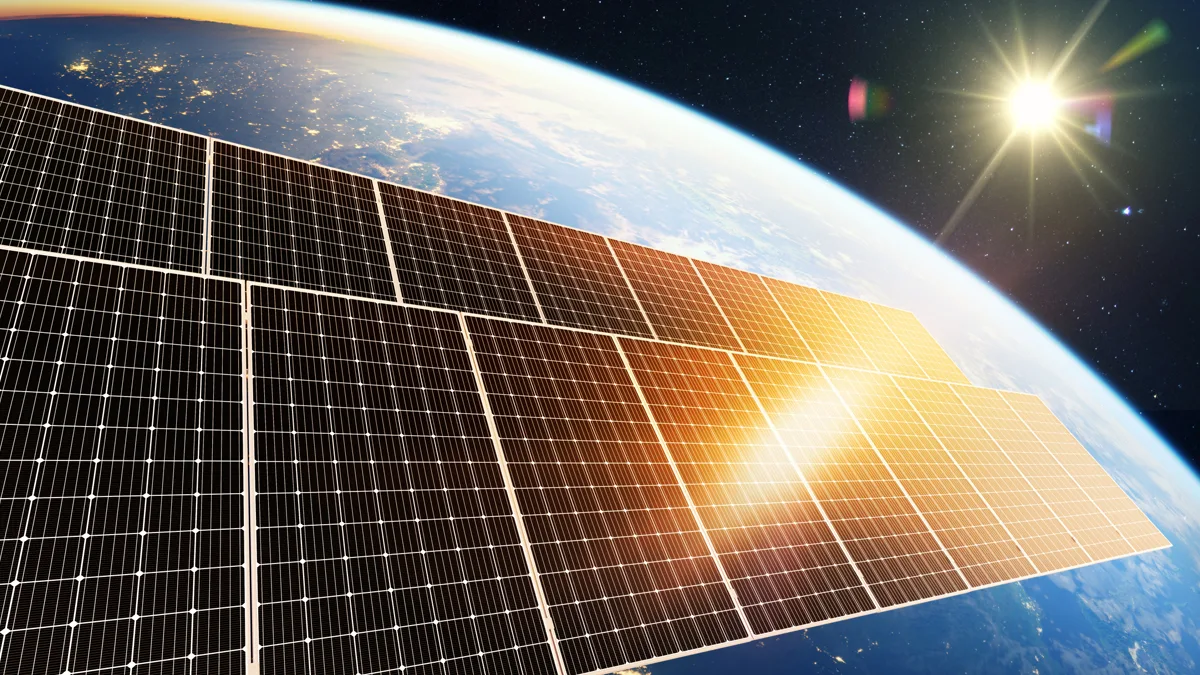
By harvesting continuous solar power and utilizing the vacuum of space for passive cooling, these facilities offer a way to bypass the water and power limitations currently straining terrestrial grids. This shift not only supports heavy AI training loads but also enables “orbital data vaults” that process sensitive information outside the reach of regional regulations.

Space is more crowded than ever as new satellites and old debris complicate navigation and overwhelm satellite data systems. Quantum machine learning (QML) can speed hyperspectral image processing and optimize satellite scheduling and routing, and deserves urgent exploration.

A graphing calculator has more processing power than most satellites. To pursue the next generation of space missions, operators will need better and faster compute capabilities in orbit. Read the top four takeaways from our conversation with Edward Ge, co-founder and CEO of Aethero.

With satellites facing growing cyber and physical threats, AI-driven intrusion detection systems are now enabling real-time monitoring and autonomous response in orbit. These intelligent platforms strengthen resilience by identifying anomalies faster and protecting spacecraft integrity.

New multi-band antenna technology could redefine satcom by making connectivity seamless and automated. Ryan Stevenson, senior vice president and chief scientist at Kymeta, explained how ESAs can roam across different bands and different orbits, and what this technology means for the satellite industry. Read our top four takeaways.

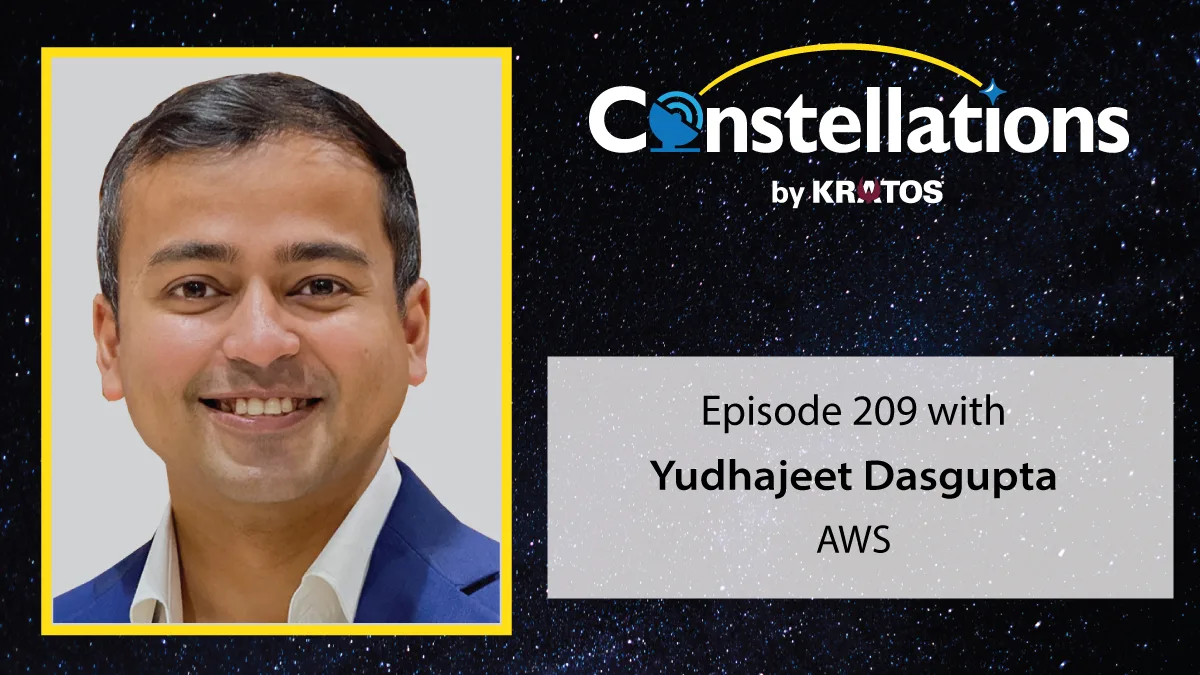
In this podcast, hear Yudhajeet Dasgupta, Head of Solutions Architecture Aerospace and Satellite at AWS, share his knowledge on cloud computing for space and all the ways generative AI can help make life on earth more efficient for humanity.

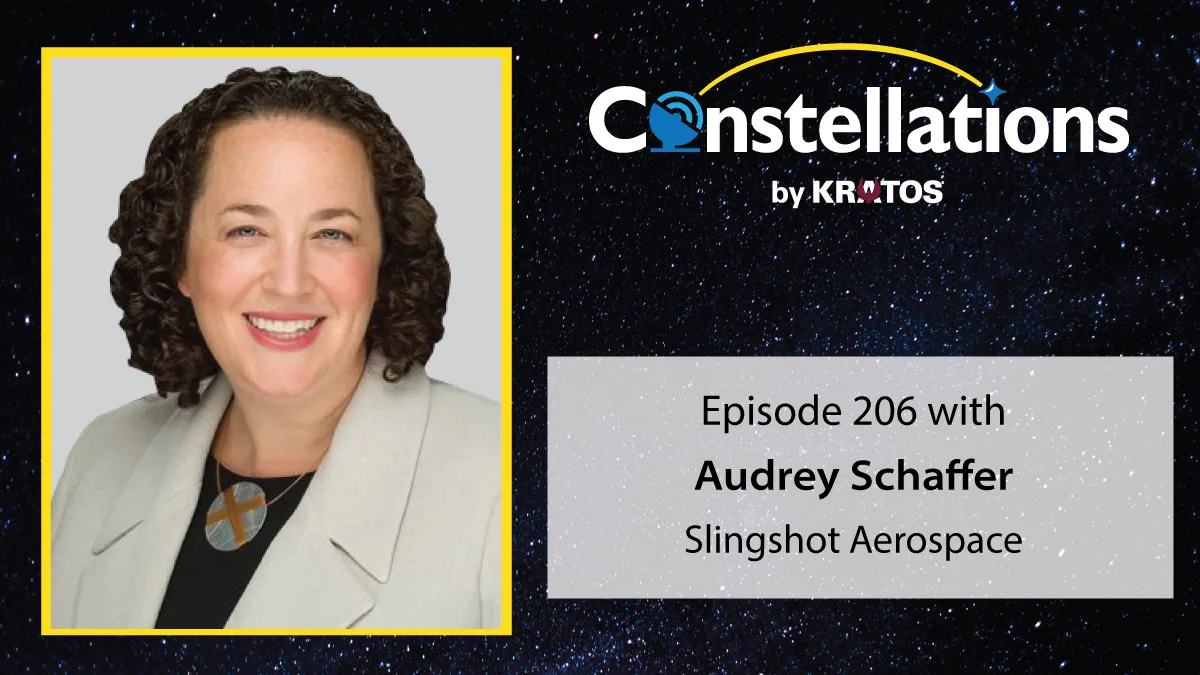
With mega-constellations, the number of satellites in LEO is rapidly rising—as well as the number of threats in space. To address this, Audrey Schaffer, VP of Strategy and Policy at Slingshot Aerospace, described the role of AI for building better Space Domain Awareness. Read our top four takeaways.

Space Solar Power (SSP), or power harvested from the sun via satellites and beamed to the Earth’s surface, could be a disruptive new source of energy. In January, China announced the launch of a kilometer-wide satellite solar array. In the U.S. and the UK, several start-ups also plan to put solar arrays into space in a bid to create the ultimate clean energy source.

Policy makers hold the key to unlocking AI’s potential in revolutionizing communications networks. Explore strategic initiatives designed to drive smarter, more resilient digital infrastructure for a sustainable future.

APT41’s cyber espionage strikes at the heart of aerospace operational technology. The attackers exploited VPN vulnerabilities to infiltrate critical supply chains, deploying stealth malware and lateral movement techniques. The incident underscores the urgent need for robust cybersecurity measures to safeguard aerospace and aviation manufacturing operations.

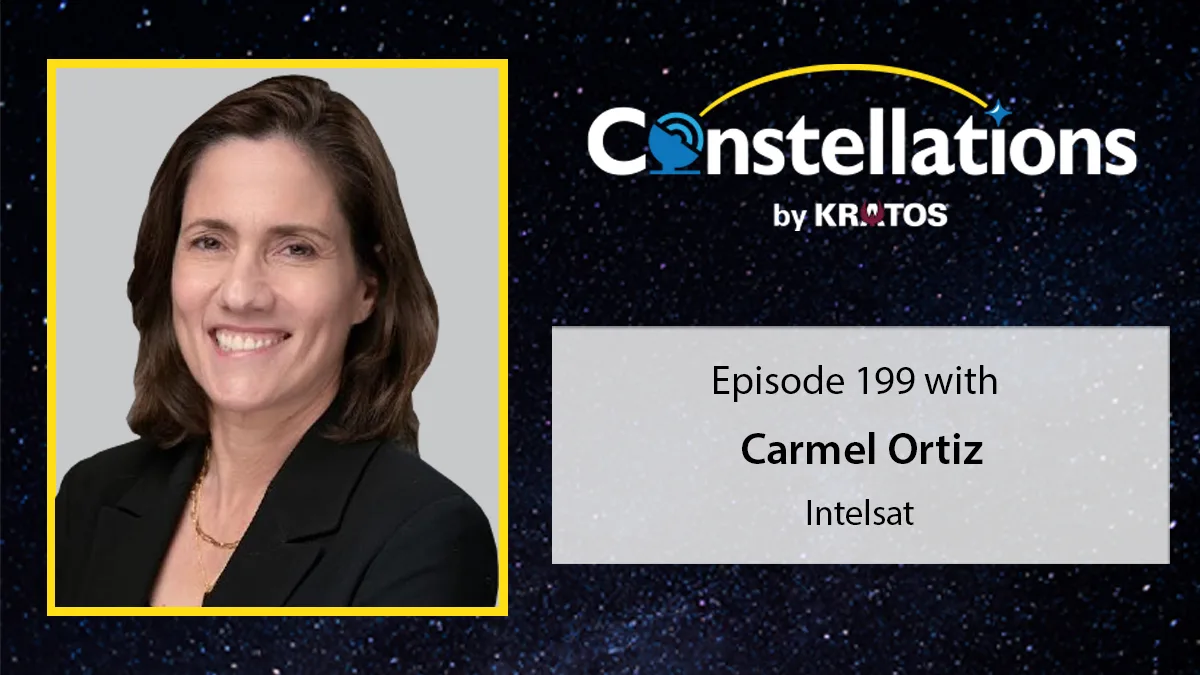
Carmel Ortiz, Senior VP of Technology and Innovation at Intelsat, discusses how software-defined networking enables on-demand capacity and dynamic business models. Hear about the benefits of these satellites in tackling modern market challenges and the future of connectivity with this innovation.

Generative AI is just one piece of a much larger AI puzzle, including tools like predictive analytics and computer vision. Explore how a balanced approach can transform operations and customer experiences across industries.

The telecom industry is embracing autonomous networks that can troubleshoot and automate the restoration of service when equipment fails. Can the satellite industry follow suit? The CEOs and Founders of Cognitive Space and ReOrbit examine the potential benefits of autonomous satcom networks and discuss the challenges that remain to be solved to achieve satellite autonomy.

Jesús Bernal Allende joins Constellations to explore how existing space law is being applied as autonomous systems take on a larger share of spacecraft decision making.

As orbital activity accelerates, the challenge for space situational awareness is shifting from collecting more data to ensuring its accuracy, interoperability and trustworthiness through advanced data fusion and greater collaboration among operators, governments and commercial providers.

Cloud Computing

Certifiable

The approval of a certification program for the DIFI 1.1 standard marks a key step toward greater interoperability and trust in digital IF equipment, enabling both standardized performance assurance and independent third-party validation. As virtualization and cloud-based ground systems expand, DIFI compliance and feature-based certification will make it easier for organizations to specify, deploy and scale interoperable solutions.

The satellite ground segment is evolving into a software-defined, cloud-native control layer that enables seamless integration with terrestrial 5G networks. Andrew Cavalier of ABI Research discusses the role of virtualization, AI-driven orchestration, and new consumption-based models in scaling NTN services and overcoming structural barriers to commercial deployment.

Routing this data directly into public clouds allows operators to clear the massive hurdle of machine learning ingestion while avoiding prohibitive egress fees. As NGSO constellations and vHTS architectures expand, applying these localized algorithms across deployed sensors will become mandatory for maintaining situational dominance and service quality.

Despite a deployment of over 650 satellites, the service currently faces brief visibility outages and a limited aggregate downstream capacity of approximately 10Gbit/s. To ensure a successful rollout, mobile network operators must utilize detailed analytics to align these technical realities with realistic user expectations and pricing models.

Artificial Intelligence & Analytics

Agentic AI for the Satellite Operator

Agentic AI is a highly evolved LLM that can leverage reason and decision making, be instructed with language rather than coding, and is highly scalable across large networks. Because of this, it is an ideal solution for complex satcom capacity planning, especially in contested and congested areas.

Virtualized, cloud-native ground systems let AI adapt quickly and secure operations through live telemetry. Standards and interoperability make training data consistent and scalable across diverse satellite and terrestrial elements.

Small satellites are imaging and collecting observational data using dozens of different methods. At the annual SmallSat conference, all types of EO players, including start-ups, established players and university programs discussed their unique approaches to gathering information about the planet we live on—but translating that data into actionable insight remains a challenge.

Hyperspectral imagery can give us a wealth of information about the world around us. To take advantage of this, Earth observation company Pixxel gathers a vast amount of data on environmental issues like deforestation, pollution, and oil and gas leaks. Read our top four takeaways.

Experts from The Aerospace Corporation, Secured Quantum Services, and OrbiSky examine the threats quantum cyberattacks pose against satellites, how operators can prepare their systems to defend against quantum attacks and who is ahead in the quantum computing race.

Software-defined satellite systems offer dynamic capacity and coverage that can be tailored to the end users’ specific needs. To learn more, Constellations spoke with a panel of experts: Park Boonyubol of Thaicom; Dallas Kasaboski of Analysys Mason; and John Chay of Kratos. Read our four takeaways from the discussion.

AI is accelerating telecom innovation, as operators leverage digital IF architectures to modernize legacy systems and enhance network performance. Integrating AI across satellite, mobile, and terrestrial networks offers the potential for improved efficiency and cost reductions.

The exponential growth of sensor-generated data from satellites is currently surpassing the capacity of current transmission infrastructures for space-based data to be processed on the ground. The experts from Avalanche Technology and Kepler Communications explain why datacenters in space are the future of processing data collected from satellites.

Could smarter satellites be on the horizon? How edge computing in space could generate more rapid, actionable insights from EO satellites, and deliver the autonomy needed to enable next generation space capabilities – from on-orbit transport to in-space assembly.

Constellations spoke with Redwire’s Chief Technology Officer Al Tadros, about how artificial intelligence is enhancing Space Domain Awareness (SDA). The discussion covered a wide range of topics, from the ability to put machine vision in orbit to ensuring data fidelity in AI algorithms.

As AI pushes terrestrial data centers toward their power and capacity limits, researchers and industry leaders are exploring orbital data centers as a potential long-term solution for scalable, resilient computing despite significant technical and economic hurdles.

Missile defense systems and autonomous UAVs are converging around a shared need for tighter data integration, AI-driven decision-making and multi-layered network architectures to operate effectively in contested environments. Future resilience will depend on unifying sensing, communication and control into a single intelligent system, while overcoming persistent challenges in interoperability, policy and real-time coordination.

Melanie Stricklan of Space Foundation examines the growing complexity of modern space operations, showing how orchestrating space, ground, and cloud systems—and tackling issues like semantic misalignment and AI-driven autonomy—is redefining how missions succeed.

By moving AI processing directly onto satellites, the industry is shifting from slow, massive data dumps to real-time “event” detection at the edge. This evolution allows orbital sensors to filter through the noise and send instant, actionable insights—like a wildfire alert—instead of making analysts wait hours for a full downlink.

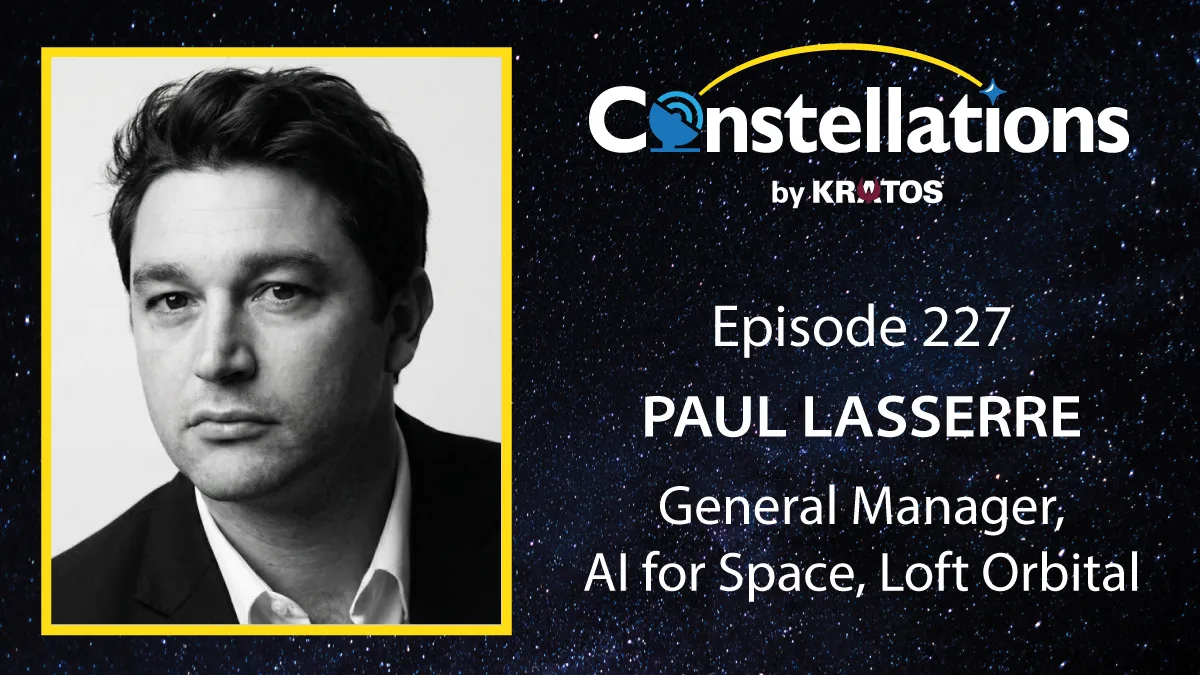
Paul Lasserre of Loft Orbital discusses how AI is quietly expanding its role in determining what satellites notice, flag and send home and weighs how this progression could reshape long-standing assumptions.

AI is accelerating malware development, vulnerability discovery, and deepfake-driven social engineering—without needing fully autonomous attacks. For commercial space, this means faster, tailored intrusions that can pivot from cloud-based enterprise networks into mission-critical ground and operations systems.

By detecting and discarding cloudy pixels before transmission, this technology saves crucial bandwidth and can slash downlink costs by up to $150,000 a year. This dynamic targeting allows even power-constrained CubeSats to operate more autonomously, ensuring they focus solely on delivering the highest-value data back to Earth.

In 2024, a geomagnetic storm resulted in the largest satellite migration in history. While the effects of space weather are increasingly well-understood, the systems in place to protect satellites are still disjointed. Commercial companies, government organization, and JHPL’s recent Space Weather Tabletop Exercise are working to change that.

Satellites are becoming more maneuverable and agile. As space becomes an increasingly contested landscape, resilience across orbital regimes will be paramount. Read our top four takeaways from our conversation with Tom Campbell, president of space missions at Redwire Space.

While technically sound, sovereign constellations often face economic hurdles from underused global capacity versus focused national needs. International partnerships become vital for optimizing these LEO systems and ensuring their long-term financial viability.

The number of satellites in Low Earth Orbit (LEO) is rapidly expanding due to new mega-constellations, introducing potential new threats in space. Slingshot Aerospace’s VP of Strategy and Policy, Audrey Schaffer, discusses how artificial intelligence is becoming essential for managing this complexity and improving space domain awareness.

We may have only scratched the surface of potential AI uses in satellite ground systems. As more teleport operators deploy AI, they are uncovering new possibilities, from hybrid network management to the development of proprietary AI models and APIs.

While GEO is seemingly falling out of favor among commercial satellite operators, almost 600 essential and costly satellites currently reside in that orbit. Unfortunately, GEO is increasingly congested – filled with spacecraft and space debris – and has inherent challenges regarding space domain and situational awareness. Analyze the importance of SSA and SDA in GEO and explore how advanced AI and ML technologies could open the door to better awareness in that critically important orbit.

A recent tabletop exercise envisioned cybersecurity challenges in a 2035 lunar mining facility and orbital lab. The findings underscore the importance of collaboration and innovation to safeguard emerging space activities.

Constellations spoke with two experts from the International Telecommunications Union about the rapidly changing world of smallsat, including regulatory management of large constellations and the sustainable use of in-orbit resources.

Starlink is dominating the satellite communications sector, but can competitors create an Android-like ecosystem to challenge its lead? The analogy highlights the potential for diverse strategies, as competitors focus on innovation and collaboration. The key lies in building a flexible, open ecosystem that fosters market growth for all.

The 5th Annual Value of Space Summit brought global leaders to Colorado Springs for critical discussions on the future of space security. Key takeaways highlighted the need for increased collaboration across government, industry, and academia to address growing cybersecurity threats. As space systems continue to evolve, the focus on threat intelligence and proactive defense strategies remains paramount.