



Space is a Network.
Constellations is Your Connection.

Space & Orbital Operations

From falling launch costs to the rise of multi-orbit architectures, the sector is reshaping how capital flows into space infrastructure. Explore the four biggest trends driving this transition and what they mean for operators and investors.
NASA’s new lunar base plans could generate billions in commercial opportunities, but Artemis delays, technical challenges and continued dependence on government funding are likely to push large-scale growth of the lunar economy deeper into the 2030s.

While Europe’s HALO and IRIS² initiatives both aim to strengthen sovereign satellite communications, their ultimate success will depend on building interoperable, sovereign-controlled ground infrastructure that enables secure command, connectivity and cross-border operations.

ABI Research Principal Analyst Andrew Cavalier explains how Rocket Lab’s acquisition of Iridium signals a new era of vertically integrated space companies, reshaping competition, resilient PNT, spectrum strategy, and the future structure of the satellite services market.

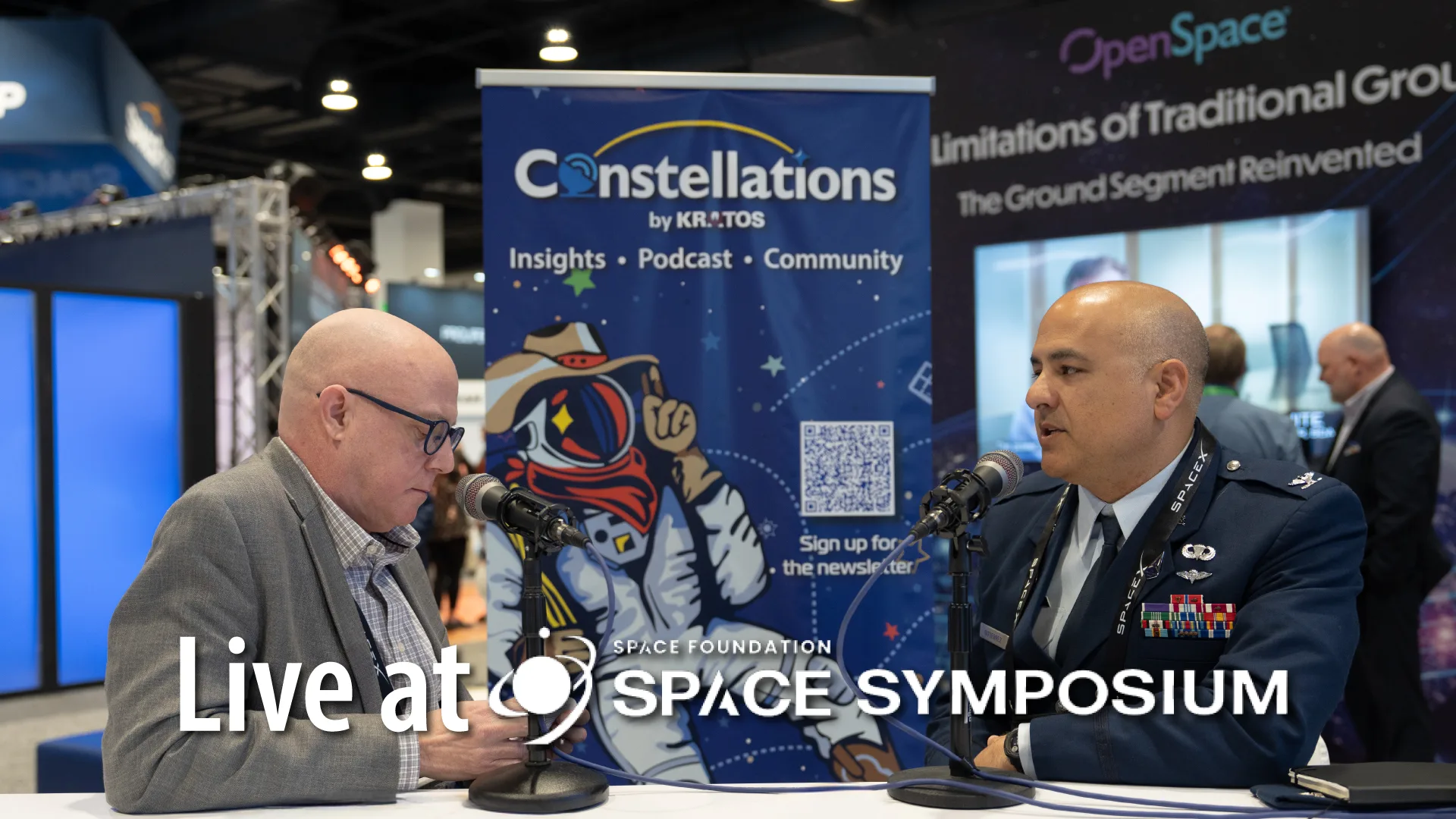
Colonel Eddie Gutierrez details how Mission Delta 3 is accelerating electronic warfare capabilities to keep pace with rapidly evolving space threats. He discusses Guardian readiness, improved targeting and the need for close coordination among operators, acquisition teams and industry to deliver effective EW systems at the speed of the mission.

By transitioning to software-defined systems, operators can slash costs by over 50% and accelerate deployment times from weeks to just a single day. This shift not only streamlines multi-orbit management but also provides a critical competitive edge in the emerging $30 billion 5G NTN market.

Nathan de Ruiter, Partner and Managing Director at Novaspace, breaks down the shifting supply-and-demand landscape for satellite capacity in Asia. Hear Nathan explain how pricing, competition, government programs and network evolution are reshaping operator strategy across one of the industry's fastest-changing regions.

Digital Transformation

What’s in Store at VOSS

Constellations talked to the Space ISAC team about what to expect from the 2026 Value of Space Summit, what’s new about the event and what they most love about the location.

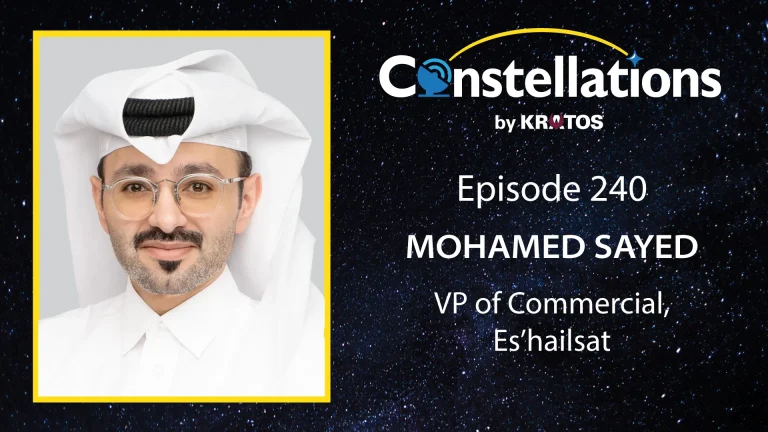
Mohamed Sayed, VP of Commercial at Es’hailsat joins Constellations to discuss how regional operators are navigating a new era of mega-constellations, as governments across the Middle East invest in sovereign space capabilities and secure communications-regional operators will start playing a bigger role.

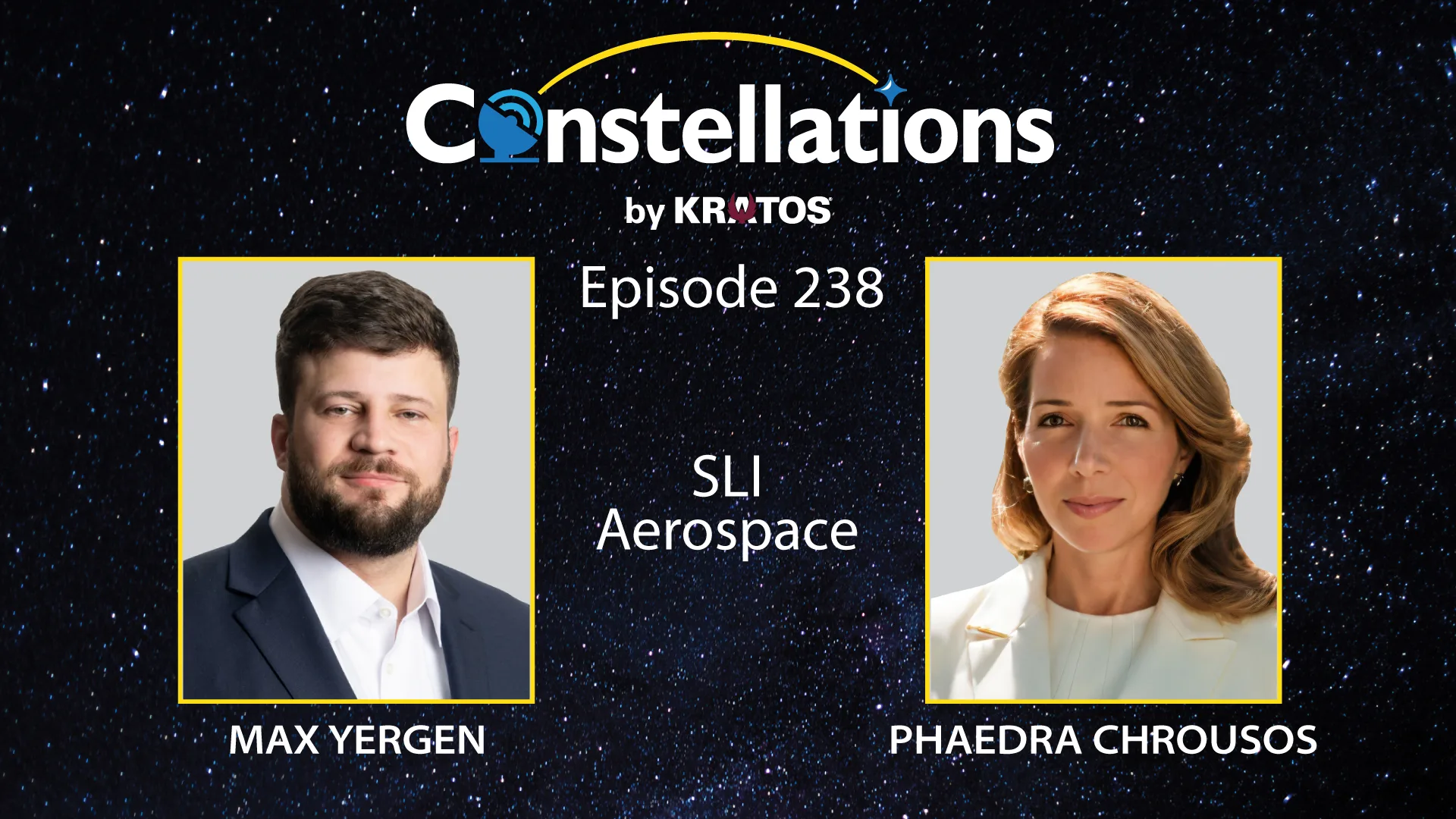
Financing in the space industry is often overlooked, yet a critical aspect to growth within the industry. Joining Constellations is Phaedra Chrousos and Max Yergan of SLI Aerospace, who will discuss how innovative financing models could accelerate the commercialization of space and reshape the economics of the industry for years to come.

As interest in nuclear power for space accelerates, experts examine how advanced reactors could enable sustained lunar operations while introducing new challenges around cybersecurity, autonomy, proliferation, and governance in the emerging cislunar economy.

DIFI PlugFest USA 2026 will test the latest version of the DIFI standard in more realistic, end-to-end network environments, helping advance interoperability, certification and digital transformation across next-generation multi-orbit satcom systems.

NASA is accelerating its return-to-the-Moon strategy by relying more heavily on commercial transportation and logistics as competition with China intensifies. Long-term success in cislunar space will depend less on any single technology and more on the ability to integrate transportation, communications, autonomy, power and surface infrastructure into a sustainable lunar ecosystem.

Market Competition & Strategy

What’s in Store at Space Industry Forum

Novaspace’s Nathan de Ruiter shares why the industry is moving past speculation toward real-time execution in areas like sovereign connectivity and multi-orbit strategies. Read the full interview to understand how operators are navigating a fragmented landscape defined by local regulation and the convergence of satellite and terrestrial networks.

Decades of satellite missions have generated vast amounts of dark data that remain largely unprocessed due to technical complexity, limited funding and a growing gap between data collection and analysis capabilities. Unlocking this data will require AI, improved onboard processing, open-source collaboration and stronger investment in academia and national labs to turn archived information into scientific, commercial and strategic value.

Increasing solar-weather volatility is exposing weaknesses in LEO constellation models, accelerating orbital decay, disrupting traffic management and forcing operators to rethink propulsion, lifecycles and autonomy. In response, the industry is shifting toward more resilient architectures to maintain reliability and reduce systemic risk.

Artificial Intelligence & Analytics

AI Becomes Mission Control

AI is emerging as a critical tool for more resilient space operations, helping operators manage growing constellations, detect cyber threats, avoid collisions, predict failures and enable greater spacecraft autonomy.

Jesús Bernal Allende joins Constellations to explore how existing space law is being applied as autonomous systems take on a larger share of spacecraft decision making.

As orbital activity accelerates, the challenge for space situational awareness is shifting from collecting more data to ensuring its accuracy, interoperability and trustworthiness through advanced data fusion and greater collaboration among operators, governments and commercial providers.

Heather Pringle of Space Foundation explores how emerging technologies, cross sector collaboration and evolving mission design are shaping strategic advantage as activity expands into cislunar and deep space environments.

The growing shift toward virtualized, software-defined ground systems is accelerating adoption of interoperability standards like DIFI, enabling satellite operators to reduce dependence on proprietary hardware while supporting scalable multi-orbit networks, 5G NTN integration and future AI-native architectures.

Market Competition & Strategy

APAC’s 2026 Space Marketplace

As global LEO constellations reshape satellite economics through scale and speed, Middle Eastern operators are charting a different path rooted in sovereignty, regulatory alignment and national strategy. How regional satellite companies are leveraging close ties with governments, multi-orbit collaboration and spectrum stewardship to remain relevant and grow.

By securing Apple as a cornerstone partner, Amazon is officially launching a high-stakes challenge to Starlink’s orbital supremacy. The merger integrates Globalstar’s established spectrum with the “Amazon Leo” infrastructure to bring seamless, high-speed direct-to-device connectivity to the global market by 2028.