



Space is a Network.
Constellations is Your Connection.

Telecom & Connectivity

Digital Transformation

What’s in Store at VOSS

Constellations talked to the Space ISAC team about what to expect from the 2026 Value of Space Summit, what’s new about the event and what they most love about the location.

Digital Transformation

Space at the Speed of Software

As AI, cloud computing and cyber threats accelerate the pace of network operations, satellite communications must embrace software-defined, interoperable architectures to keep pace with modern defense and commercial requirements.

DIFI PlugFest USA 2026 will test the latest version of the DIFI standard in more realistic, end-to-end network environments, helping advance interoperability, certification and digital transformation across next-generation multi-orbit satcom systems.

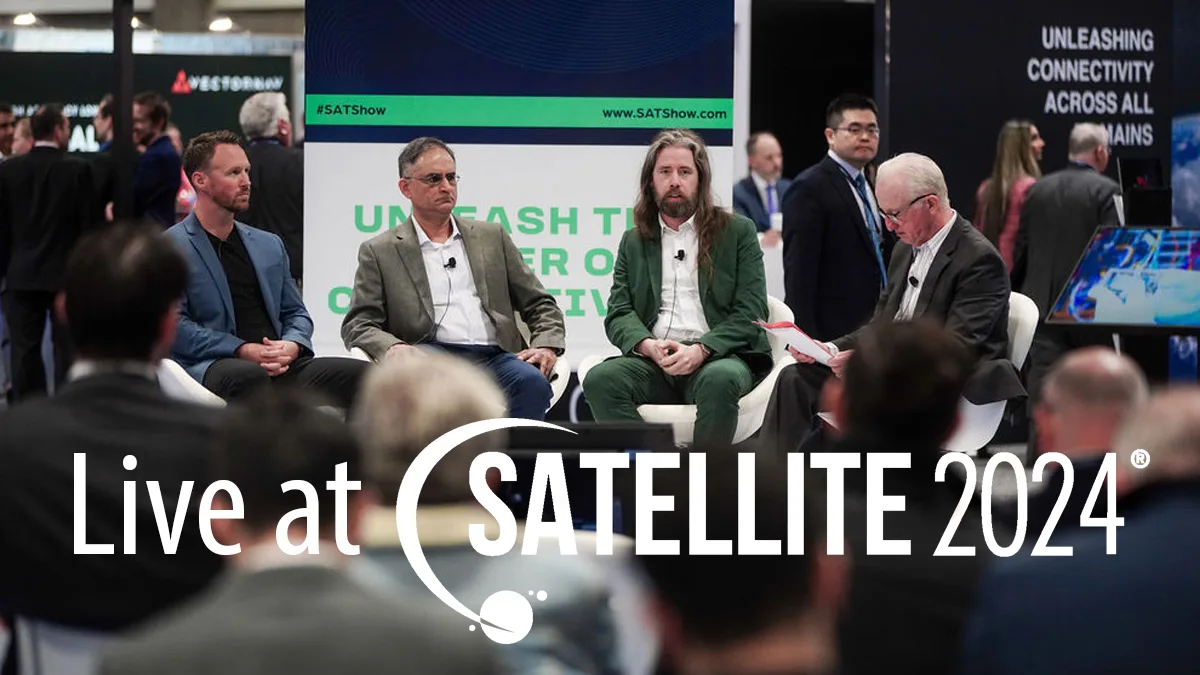
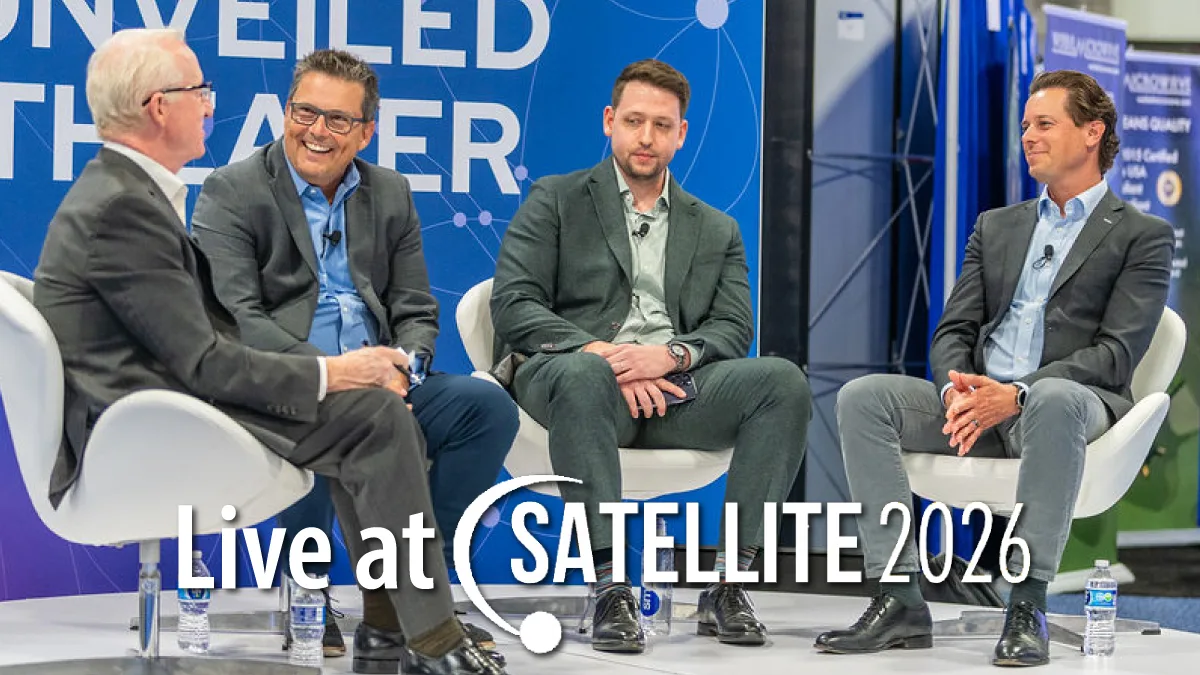
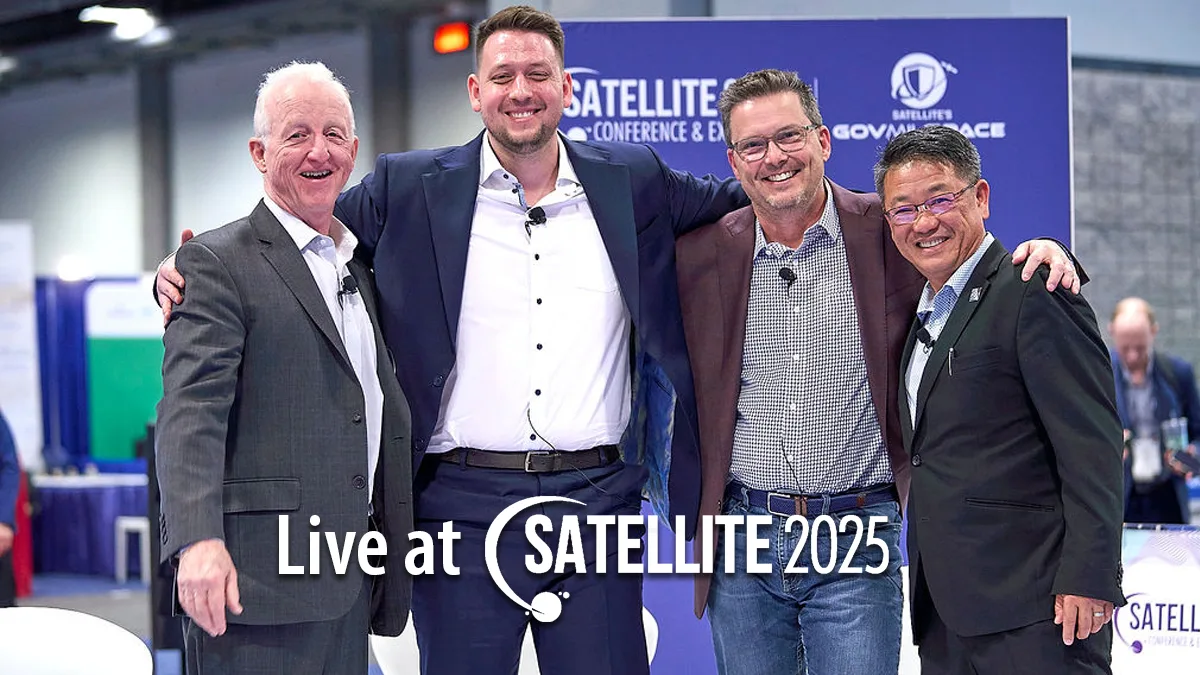
Live at SATshow 2026, Constellations speaks with Blane Boynton of SES, Andrew Cavalier of ABI Research and Greg Quiggle of Kratos on developing long-term 5G NTN strategies, the competitive forces driving ground-system evolution, and how early 5G implementations signal growing commercial readiness.

The head of the Taiwan Space Agency recently proposed an Asia-Pacific answer to Starlink, kicking off a critical discussion about sovereignty, regional collaboration and the role of commercial partnerships in LEO.

By securing Apple as a cornerstone partner, Amazon is officially launching a high-stakes challenge to Starlink’s orbital supremacy. The merger integrates Globalstar’s established spectrum with the “Amazon Leo” infrastructure to bring seamless, high-speed direct-to-device connectivity to the global market by 2028.

The satellite ground segment is evolving into a software-defined, cloud-native control layer that enables seamless integration with terrestrial 5G networks. Andrew Cavalier of ABI Research discusses the role of virtualization, AI-driven orchestration, and new consumption-based models in scaling NTN services and overcoming structural barriers to commercial deployment.

Following lessons learned from the conflict in Ukraine, the 32-nation alliance is moving beyond traditional geostationary leases to integrate LEO, MEO, and HEO constellations for more resilient connectivity. This strategic evolution includes a revamped procurement policy designed to bypass bureaucracy and potentially return NATO to owning its own space-based transponders by 2034.

Non-Terrestrial Networks (NTN) / 5G

The Next Phase of 5G NTN Deployment

In our latest interview, ABI Research’s Andrew Cavalier breaks down the latency, cost, and standardization hurdles the industry must overcome to make non-terrestrial networks (NTN) a seamless extension of mobile infrastructure. Discover which players are best positioned to capture value as operators and chipset vendors race to bring satellite connectivity to the mass market.

Operators transitioning to these software-based architectures can achieve nearly 40% in overall cost savings while significantly accelerating deployment cycles for new services. This technological shift is essential for capturing the $30 billion 5G NTN opportunity and ensuring long-term mission adaptability in a rapidly evolving orbital economy.

While off-the-shelf cellular modules offer an avenue for massive scale, merging static terrestrial towers with satellites moving at orbital velocities introduces severe routing, authentication, and latency hurdles. Overcoming these physical engineering barriers is required to build a resilient hybrid network that also satisfies strict national demands for infrastructure sovereignty.

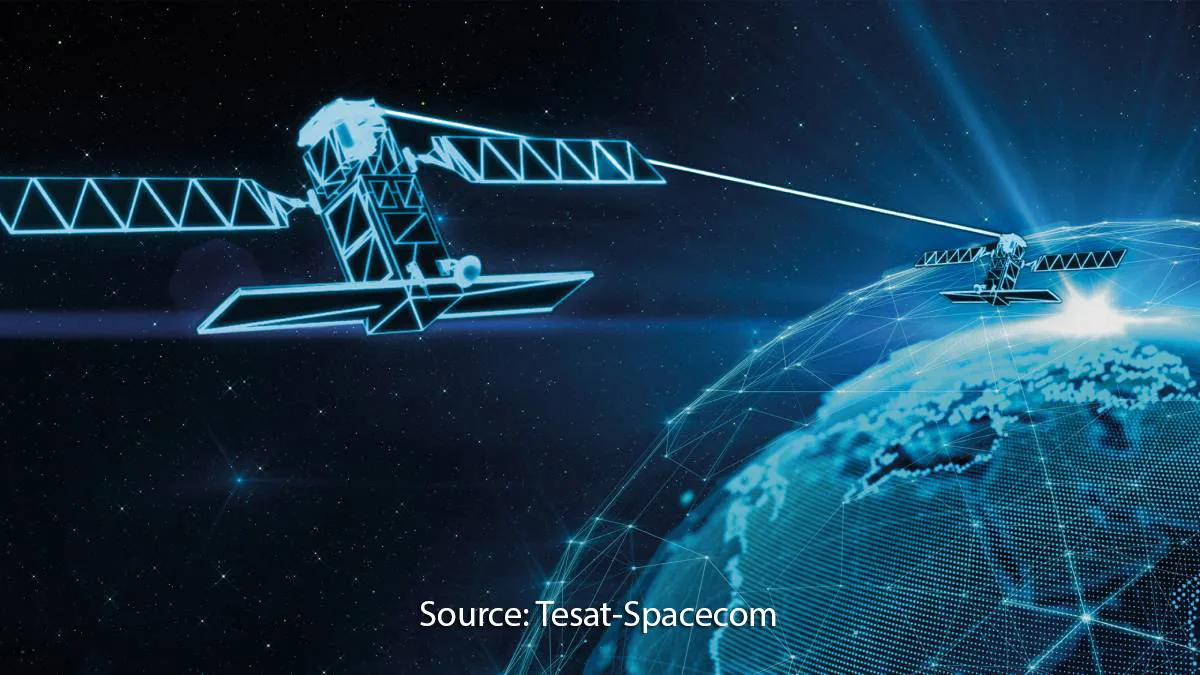
This hybrid network utilizes Q- and V-band links to deliver speeds of 144 Gbps in LEO, while MEO optical links aim to provide throughput up to 6 Tbps. With a projected deployment start in late 2027, the system targets a capped capacity of roughly 100,000 customers, distinguishing itself from the broader consumer focus of Amazon Leo.

A new study reveals that many GEO satellites still transmit highly sensitive data without encryption, exposing government, commercial and critical-infrastructure communications to easy interception with low-cost equipment. Experts warn that fixing the problem will require not just stronger encryption, but deeper architectural changes and new platforms to provide more secure, sovereign communications layers.

The Mobile Satellite Services Association (MSSA) released the first non-terrestrial network (NTN) Reference Architecture in an effort to guide satellite operators, mobile network operators (MNOs), device makers and standards bodies toward a unified, interoperable NTN ecosystem.

DIFI settled on a streamlined VITA‑49 core to meet defense and commercial satcom needs while keeping implementation simple and widely adoptable. Because networks integrate at the IP level, satellite systems using DIFI/VITA‑49 can interoperate with terrestrial eCPRI‑based 5G, letting both ecosystems capitalize on NTN without compromise.

Industry leaders say true smartphone-grade broadband from satellites is still years away and will arrive first in specific verticals rather than as an immediate consumer replacement. Mobile network operators may be using D2D deployments as market probes, leaving business models and who ultimately pays for the service unresolved.

During a live demonstration, engineers pulled the plug on an antenna mid-transmission, yet the satellite link never faltered—automatically switching to a backup site without missing a beat. This breakthrough in digital IF technology promises more resilient communications for U.S. forces, with AI-powered insights emerging as the next frontier.

As satellite-based 5G evolves from concept to commercial reality, operators face a watershed moment: stay on their legacy paths or embrace the shared NTN vision. This year’s milestones show that strategic alliances and rapid rollouts will define the leaders in the race for ubiquitous connectivity.

By integrating satellite into private 5G architectures, businesses can achieve seamless, resilient connectivity across even the most remote locations. This hybrid approach not only boosts reliability but also helps mitigate cost and complexity barriers that have slowed adoption.

Network Architecture & Infrastructure

Moving the Internet to Space

U.S. Department of Defense spokesperson Laura McAndrews and Rivada senior vice president Brian Carney explain the key components of an “outernet,” examine the benefits it will deliver to the DoD and discuss the role industry will play in making the concept a reality.

Satellite Connectivity & Technology

The Rules of Spectrum Are Changing As We Speak

Spectrum is limited, but dynamic spectrum sharing mechanisms could open up entire bands to new commercial users. Meanwhile, FCC has announced plans to open spectrum across twelve different bands, NGSO feuds with both GSO and wireless, and changing spectrum allocations are changing industry dynamics.

While RF over Fiber has its place, the future of satellite communication lies in the flexibility and resilience of RF over IP. Common arguments against this digital transport method, from latency concerns to security implications, are directly confronted and addressed. For most new applications, a digital approach simply proves to be the more scalable and future-proof path forward.

Earth Observation & Remote Sensing

Satellite IoT: Connecting Farming’s Future

Satellite-enabled IoT could transform farming operations in remote locations by automating manual functions like water and crop monitoring and equipment maintenance. Will the satellite industry settle on standardization and connect with agricultural opportunities?

Experts from The Aerospace Corporation, Secured Quantum Services, and OrbiSky examine the threats quantum cyberattacks pose against satellites, how operators can prepare their systems to defend against quantum attacks and who is ahead in the quantum computing race.

Non-Terrestrial Networks (NTN) / 5G

Why Space is a Missing Piece in the 5G Puzzle

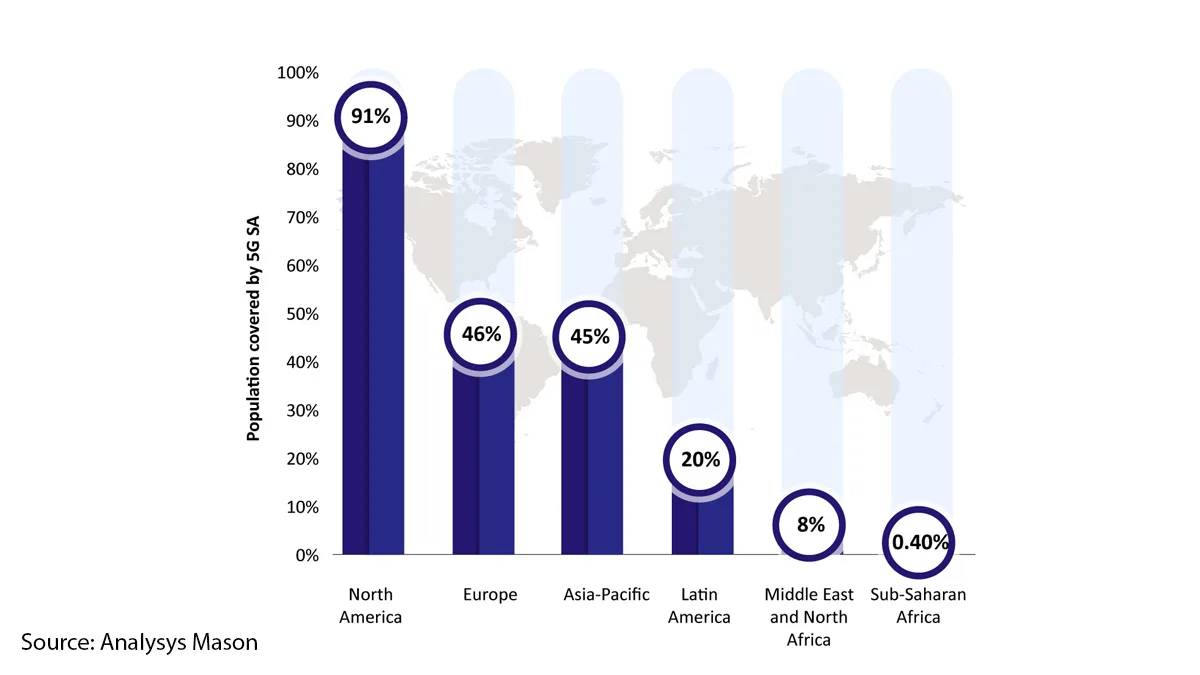
While 5G standalone networks offer powerful capabilities like network slicing, their reach is often constrained by the geographical limitations of terrestrial infrastructure. Integrating satellite networks as ‘cell towers in space’ is the key to delivering these advanced digital services to any enterprise, anywhere, and finally realizing the economic returns on 5G investments.

Software-ground systems can help legacy players compete with mega-constellations. Lluc Palerm, Research Director at Analysys Mason, broke down a recent white paper on the strategies that can help operators thrive in a highly disrupted space industry. Read our top four takeaways.

Satellite Communications (SATCOM)

One-to-Many-to-Even More, Chasing an ESA Standard

A dedicated working group is tackling the complex challenge of defining diverse use cases across various environments. This collaborative effort aims to enable seamless, ubiquitous connectivity for multi-orbit and mobile applications.

Spectrum & Regulatory Compliance

It’s Official, Verified DIFI Compliance

This milestone marks a critical advancement in interoperability standards for ground system products. The compliance framework includes self-testing (silver) and third-party validation (gold) phases to ensure robust and reliable solutions.

Will space-based cellular networks eventually replace terrestrial? Or will they always remain complementary to terrestrial-based cell services? Experts from Vodafone, ATIS Next G Alliance, and TMF Associates examine the viability of space-based cellular networks, the technological advancements that are needed for more robust non-terrestrial cellular networks, and the challenges and limiting factors to making space-based cellular services a reality.

On the Constellations Podcast, Ian Canning, CEO of Eutelsat America and OneWeb Technologies, explores the vital role of GPS for commercial and military applications. Hear how LEO constellations enhance resiliency in GPS/GNSS-challenged environments and transform U.S. military satellite communication by offering faster connectivity and improved security.

AI is accelerating telecom innovation, as operators leverage digital IF architectures to modernize legacy systems and enhance network performance. Integrating AI across satellite, mobile, and terrestrial networks offers the potential for improved efficiency and cost reductions.

Carmel Ortiz, Senior VP of Technology and Innovation at Intelsat, discusses how software-defined networking enables on-demand capacity and dynamic business models. Hear about the benefits of these satellites in tackling modern market challenges and the future of connectivity with this innovation.

Generative AI is just one piece of a much larger AI puzzle, including tools like predictive analytics and computer vision. Explore how a balanced approach can transform operations and customer experiences across industries.

Discover how High-Altitude Platform Stations (HAPS) are enhancing global connectivity and impacting industries like telecommunications, Earth observation, and weather prediction. Russ Van Der Werff, VP of the HAPS Alliance, discusses the differences between HAPS and Low Earth Orbit (LEO) satellites and their impact on various industries.

The war in Ukraine has highlighted the critical importance space and satellite services play in NATO and Europe’s defense and deterrence capabilities. NATO Support and Procurement Agency, Novaspace and SES Space & Defense examine how the conflict is shaping the future of NATO’s satcom capability requirements.

Deutsche Telekom is flipping the script on 5G, calling it a massive success at their 2024 Capital Markets Day. As 5G expands, enterprise solutions and IoT opportunities could reshape the future of connectivity, unlocking billions in potential revenue.

Air France and United Airlines have decided to offer free in-flight Wi-Fi using SpaceX’s Starlink starting in 2025. This move highlights the growing trust in Starlink’s informal service guarantee and marks a shift in in-flight connectivity. Both airlines are following Delta’s lead in providing free internet access, changing the landscape for passengers and airline business models alike.

As AI continues to optimize satellite operations and data processing, industry players must develop a clear strategy to maximize its benefits. The integration of AI with space technology promises improved efficiency and profitability, but a comprehensive approach is essential to fully realize its potential.

Constellations: Game Changers is a limited series of short podcasts focused on pivotal new technologies or trends. In this episode, Alexandre Tisserant of Kinéis explains satellite IoT and the multiple applications and benefits that come from it. This limited series is brought to you by Constellations and Novaspace and highlights some of the key innovative topics that will be addressed at the upcoming World Space Business Week.

Game Changers is a limited series of short podcasts focused on pivotal new technologies or trends. In this episode, Scott Wisniewski of AST SpaceMobile gives us an update on the direct-to-device market, what makes it so important and what to expect next. This limited series is brought to you by Constellations and Novaspace and highlights some of the key innovative topics that will be addressed at the upcoming World Space Business Week.

As the in-space economy continues to expand, the demand for the mission extension of space vehicles and on-orbit repair technologies are beginning to grow. The successful execution of Rendezvous, Proximity Operations, and Docking (RPOD) missions is essential to meet these on-orbit demands. Explore the satellite network and TT&C requirements that will enable the successful execution of RPOD missions.

Constellations spoke with Florian Thirion, Senior Product and Portfolio Marketing Manager at Airbus Defence and Space, about the transformative potential of software-defined satellites—including the ability to adapt resources every 15 minutes.

With AI’s precision and rapid data processing, satellite networks could see improved efficiency and reliability. Dive into the challenges and potential of integrating AI into satellite operations.

Learn how innovations like 5G NTN and ORAN are driving the convergence of terrestrial and non-terrestrial communications. Explore the latest in regenerative payloads, cloud-native computing, and network slicing to understand their roles in creating a cohesive broadband ecosystem.

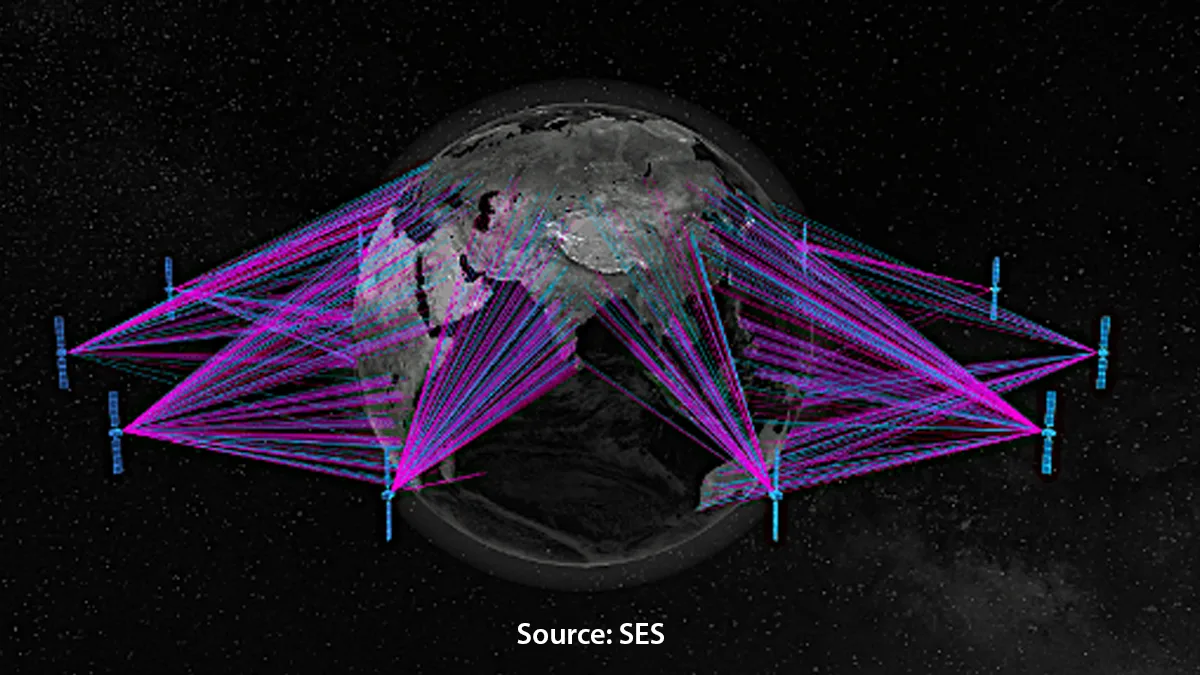
From RF to RF-over-IP to cloud and lasers, functions that once only used to happen in “ground” systems are coming to be spread out across space and cyberspace as well.

The U.S. Federal Communications Commission raised the standard for high-speed fixed broadband to 100/20 Mbps. The new benchmark, and an emphasis on latency, could lead to the exclusion of satellite services from federal funding programs.

As these technologies evolve, selecting the right partnership based on advanced constellation strategies becomes crucial for maximizing market penetration and achieving sustainable growth.

In the face of evolving space dynamics and the military’s strategic embrace of orbital diversity, phased arrays are emerging as the preferred antenna technology.

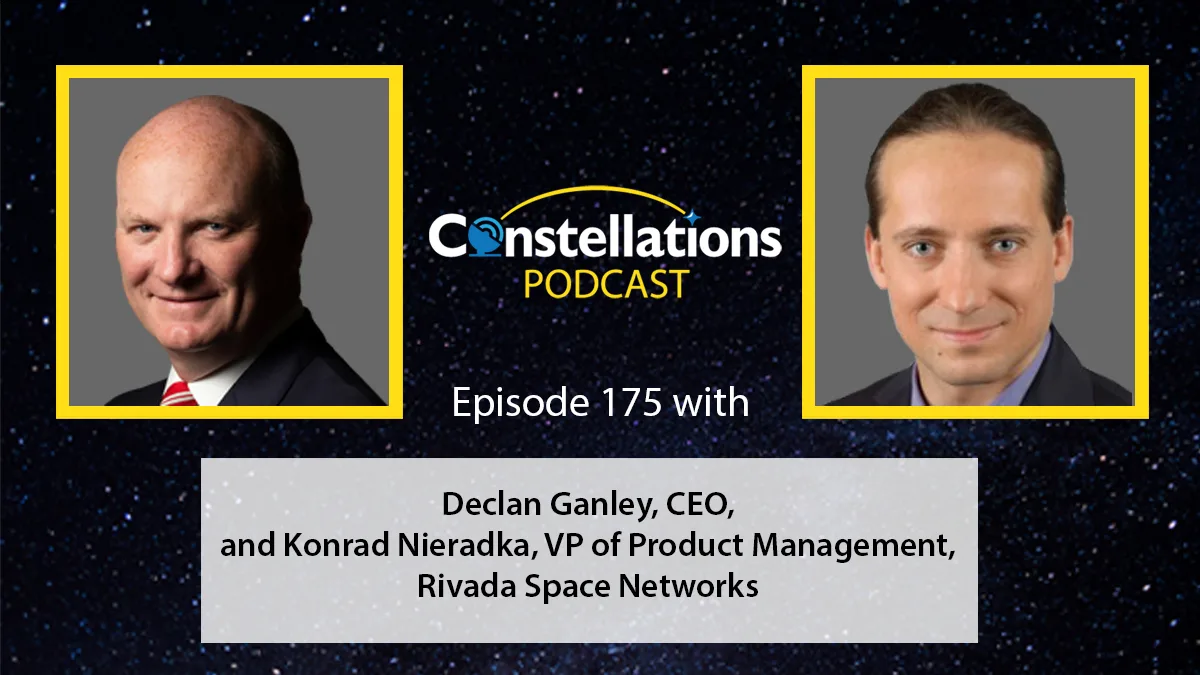
Declan Ganley, CEO of Rivada and Konrad Nieradka, Vice President of Product Management of Rivada discuss connected communications with a laser mesh network in space and how standards like Carrier Ethernet are shaping the future of enterprise communications.

This technological advancement promises a new era of emergency alerts, messaging, voice, and data services, aiming to bridge the gap in global communication infrastructures. However, realizing this potential requires navigating through various developmental waves, from basic emergency services to comprehensive data connectivity.

A new satellite industry alliance aims to accelerate the rollout of direct satellite connectivity for smartphones and other devices using MSS frequencies, rather than sharing terrestrial spectrum with mobile network operators.

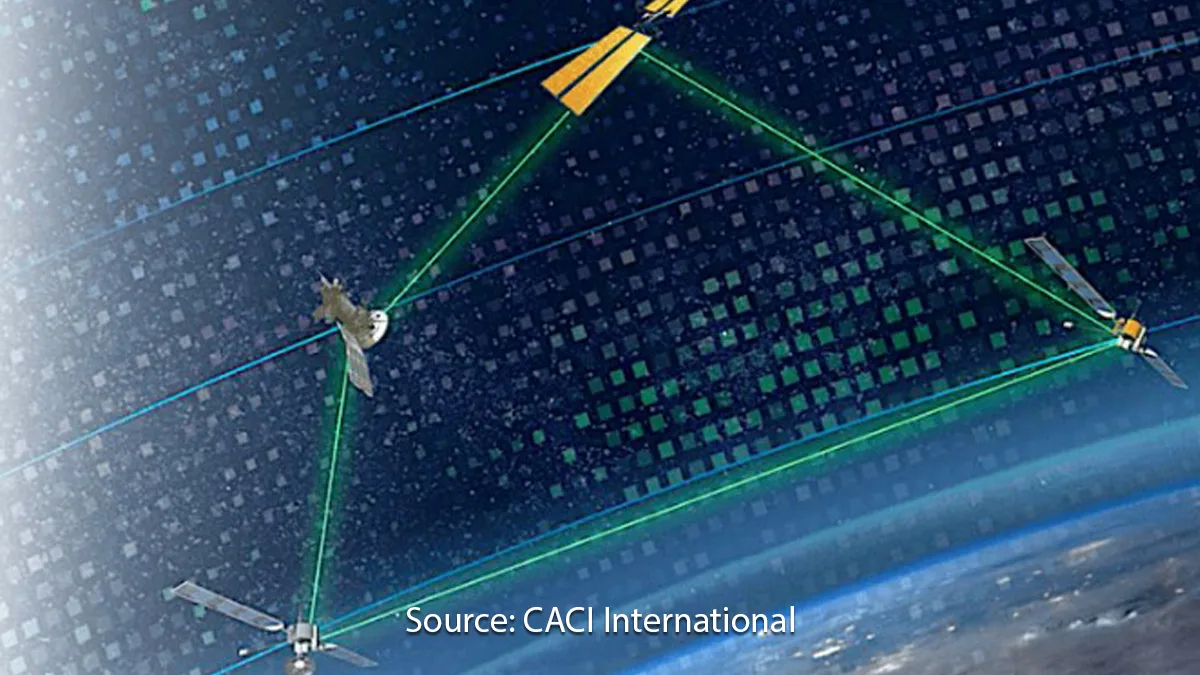
Following weeks of anticipation, the Space Development Agency (SDA) is poised to share initial results from its groundbreaking laser-optical satellite communications experiments, marking a significant step in advancing satellite connectivity technologies.

My recent post about satellite D2D service triggered a flashback for Reino Tantilla, who replied remembering the days when flip phones, digital assistants and cameras were three separate devices. “What’s the next step in convergence?” he wondered.

A set of predictions about the ground segment market shows massive changes in the sector, highlighting its criticality, as well as its strengths and weaknesses.

Satellite Connectivity & Technology

Satellites, Cell Towers and HAPS?

Revolutionizing Global Connectivity: AALTO HAPS CEO Samer Halawi on Bridging the Digital Divide with Innovative High Altitude Platforms.

While Europe’s HALO and IRIS² initiatives both aim to strengthen sovereign satellite communications, their ultimate success will depend on building interoperable, sovereign-controlled ground infrastructure that enables secure command, connectivity and cross-border operations.

At the 2026 Satellite Show, Constellations spoke with Blane Boynton of SES, Andrew Cavalier of ABI Research and Greg Quiggle of Kratos about developing long term 5G NTN strategies, the competitive forces driving ground system evolution and how early 5G implementations signal growing commercial readiness.

The growing shift toward virtualized, software-defined ground systems is accelerating adoption of interoperability standards like DIFI, enabling satellite operators to reduce dependence on proprietary hardware while supporting scalable multi-orbit networks, 5G NTN integration and future AI-native architectures.

Satellite Connectivity & Technology

Sovereignty Without Borders

As the global space economy evolves, national autonomy is shifting from simple hardware ownership toward total control over the operational stack, including data and networks. Industry experts suggest that hybrid architectures are now the most pragmatic way for nations to maintain security and decision-making authority in an increasingly interconnected orbital landscape.

While consumer interest in satellite-backed safety features is high, success hinges on moving past “one-size-fits-all” data pricing and industrializing hardware for the high-volume assembly line. Explore how aligning satellite capabilities with automotive roadmaps will finally turn global connectivity into a standard feature rather than a premium option.

The SpaceRise consortium—led by industry heavyweights SES, Eutelsat, and Hispasat—has finally hammered out the compromises needed to secure a multi-billion euro green light for the secure multi-orbit network. While the roadmap includes some technical concessions to hit aggressive 2030 deadlines, the deal marks a massive leap forward for Europe’s strategic autonomy in space-based communications.

The facility will begin limited deliveries for Telesat’s Lightspeed constellation later this year before reaching full production in 2027. Built around MDA’s adaptable Aurora platform, the factory aims to drive further orders by churning out both broadband and direct-to-device (D2D) satellites for major clients like Globalstar.

Automation and AI are becoming foundational to 5G non-terrestrial networks, enabling self-optimizing satellite constellations, real-time spectrum coordination, and cloud-native operations that can scale across multi-operator and multi-orbit environments.

Jake Saunders of ABI Research presents key satellite IoT data including the biggest untapped commercial opportunities, the competitive landscape and the evolving relationship between satellite and terrestrial.

Satellite Communications (SATCOM)

FCC Goes All-In on Satellite D2D

The FCC is pushing for U.S. leadership in direct-to-device but still needs a framework to harmonize satellite and mobile network operators’ interests within the constraints of finite spectrum resources.

Despite a deployment of over 650 satellites, the service currently faces brief visibility outages and a limited aggregate downstream capacity of approximately 10Gbit/s. To ensure a successful rollout, mobile network operators must utilize detailed analytics to align these technical realities with realistic user expectations and pricing models.

Backed by significant financing from Apple, the upcoming “C-3” network will utilize dynamic beam-forming technology to enhance mobile satellite services and expand coverage. While the company navigates manufacturing delays and regulatory hurdles in the US and France, it is proactively upgrading its ground infrastructure with 90 new antennas across 25 nations.

This research marks a strategic pivot from traditional ground-based interference to adaptive, networked architectures that mirror the design of the networks they target. While currently a simulation, the data points to a future where commercial operators must defend against region-wide, persistent electronic warfare.

Eutelsat unifies GEO and LEO to deliver resilient network solutions for government and commercial users. The rebrand reflects a shift from wholesale capacity to end-to-end, mission-focused services that combine constellations, terminals and third-party tech for secure, redundant connectivity. Expect continued investment in multi-orbit resilience, PNT alternatives and new product rollouts that support complex operational environments.

Artificial Intelligence & Analytics

Agentic AI for the Satellite Operator

Agentic AI is a highly evolved LLM that can leverage reason and decision making, be instructed with language rather than coding, and is highly scalable across large networks. Because of this, it is an ideal solution for complex satcom capacity planning, especially in contested and congested areas.

Ahead of World Space Business Week, Constellations and Novaspace released a limited podcast series, featuring five space leaders. Each executive answered a handful of questions about the state of the industry, what drives their companies, and the challenges that lie ahead. Read our favorite quotes and takeaways from each conversation.

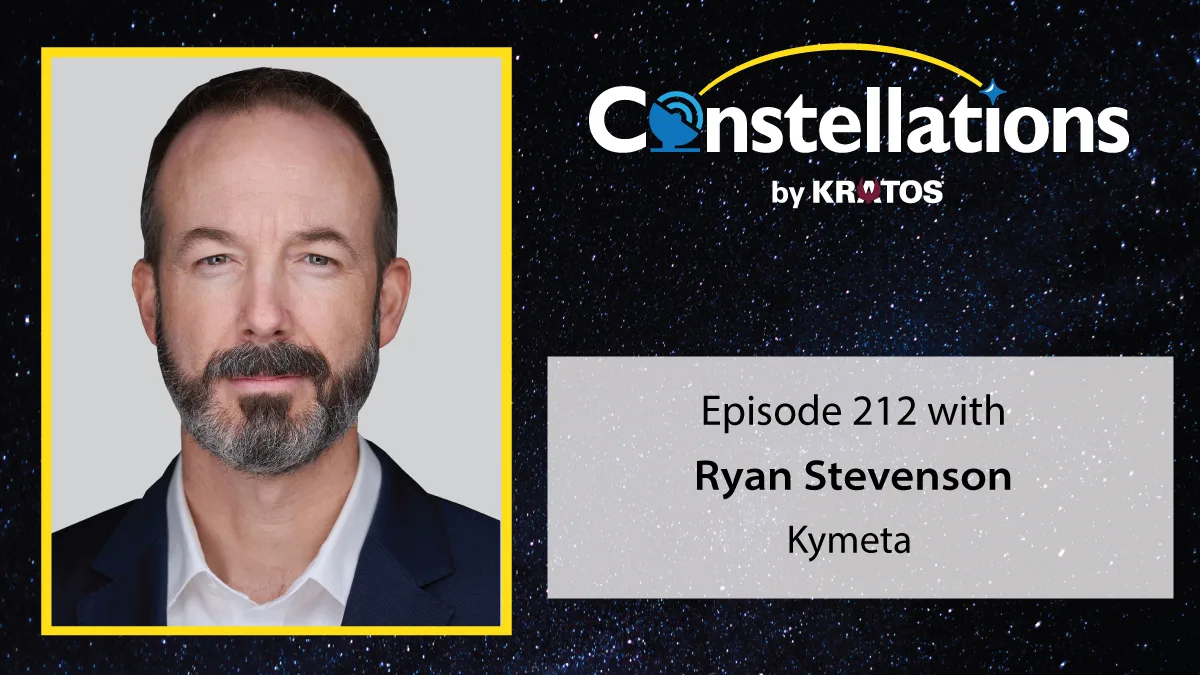
New multi-band antenna technology could redefine satcom by making connectivity seamless and automated. Ryan Stevenson, senior vice president and chief scientist at Kymeta, explained how ESAs can roam across different bands and different orbits, and what this technology means for the satellite industry. Read our top four takeaways.

Satellite Communications (SATCOM)

MNOs and OEMs Need To Adopt Satellite D2D Now

This article explains how satellite direct-to-device (D2D) is a viable commercial opportunity for mobile network operators (MNOs) to grow their subscriber base and for original equipment manufacturers (OEMs) to create new products and expand their customer base.

GPS and PNT signals rely on a weak RF signal that is highly vulnerable to jamming and spoofing. One alternative is quantum communication technology, which uses entangled photons to deliver a highly accurate timing signal. Read our top four takeaways.

This episode explores the future of Position, Navigation, and Timing (PNT) with Xairos CEO David Mitlyng, who outlines the challenges of moving beyond our deep reliance on GPS. He explains how quantum time transfer provides a secure and highly precise alternative, using entangled photons in systems ready for integration with current satellite and ground infrastructure.

The company believes launching a global S-band mobile service now would be premature, as the necessary 5G LORAN standard chipsets are still in development for widespread handset integration. Their ambition is a universal D2D solution with no coverage gaps or regulatory hurdles, a different approach than current regional or terrestrially-limited offerings.

5G is driving the integration of satellite and telecom networks. To learn more about the standards that are making it possible and the business cases that will make it viable, Constellations spoke with a panel of experts from VIAVI Solutions, ABI Research and Kratos. Read our top four takeaways.

Discover how 5G is driving the integration of satellite and telecom networks. In this expert panel discussion, we explore the technology and business case behind next-gen global connectivity.

Lluc Palerm, Research Director at Analysys Mason, shares key insights from a recent white paper on how software-ground systems can help legacy players compete. He discusses what strategies can help operators thrive in the era of space disruption.

We all rely on GPS and GNSS capabilities in our day-to-day lives, but GPS systems are vulnerable to jamming and spoofing. Ian Canning, CEO of EACOWT, broke down how LEO constellations can add a layer of resiliency to GPS. Read our takeaways from the discussion.

A considerable amount of SATCOM market share and revenues are being increasingly captured by the cheaper pricing and scalability advantages offered by NGSO operators. A new white paper published by Analysys Mason, courtesy of Kratos, explores four ways a software-defined ground architecture can provide a marketplace advantage to traditional satellite operators and service providers that would allow them to compete with the explosion of NGSO service offerings.

In 2023, the U.S. Department of Defense awarded 16 companies IDIQ contracts for Proliferated LEO Satellite-Based Services. Just 15 months later, the contract expanded in scope and value, revolutionizing DoD access to LEO services and driving innovation.

Network Architecture & Infrastructure

When in Doubt, Get Horizontal

Open standards like 3GPP and DIFI could unlock innovation, collaboration, and flexible solutions at scale. By focusing on interoperability and ecosystem growth, traditional operators can reclaim their competitive edge.

The telecom industry is embracing autonomous networks that can troubleshoot and automate the restoration of service when equipment fails. Can the satellite industry follow suit? The CEOs and Founders of Cognitive Space and ReOrbit examine the potential benefits of autonomous satcom networks and discuss the challenges that remain to be solved to achieve satellite autonomy.

Digital Transformation

A Digital Path Forward for WGS

With a focus on enabling next-generation interoperability and capabilities, the initiative aims to align certification standards with emerging technologies like electronically steerable antennas. This effort is a crucial step toward enhancing the resilience and effectiveness of mission-critical military communications.

In medical emergencies, the time spent transporting a patient to receive care can significantly impact their outcome. To get specialty care to patients more quickly, the Mayo Clinic, OPTAC-X and Kymeta are running a pilot program that brings physicians into the field virtually via satellite-connected telemedicine solutions.

Non-Terrestrial Networks (NTN) / 5G

A Rising D2D Tide Can Lift All Boats

As satellite and mobile network operators work to make D2D a reality, network compatibility and regulatory hurdles remain. However, aligning with 3GPP standards may be the breakthrough needed to bridge these worlds and expand global connectivity.

Starlink is dominating the satellite communications sector, but can competitors create an Android-like ecosystem to challenge its lead? The analogy highlights the potential for diverse strategies, as competitors focus on innovation and collaboration. The key lies in building a flexible, open ecosystem that fosters market growth for all.

Network Infrastructure

Network APIs Gaining Traction

From global API competitions to cross-network collaborations, the telecom industry is expanding opportunities for developers. This month saw groundbreaking announcements from Deutsche Telekom and Korea’s top telcos, signaling a global push toward common API standards. As these efforts grow, they could reshape connectivity for industries worldwide.

Game Changers is a limited series of short podcasts focused on pivotal new technologies or trends. In this episode, Phil Carrai of Kratos Space walks us through the impact of virtual ground systems on the satellite and space industries. This limited series is brought to you by Constellations and Novaspace and highlights some of the key innovative topics that will be addressed at the upcoming World Space Business Week.

Our guest Kevin Lausten, President of Morpheus Space, is joining us today to talk about the technology behind satellite mobility, how it is evolving with smallsat designs and how its applications are growing beyond collision avoidance to support an emerging need for understanding what satellites are doing in space.

With the backing of 35 engaged member organizations, including the U.S. Army, the push to enhance ESA interoperability is making significant strides. These efforts are essential for maximizing the potential of advanced multi-beam and multi-mission antenna technologies.

When natural disasters strike and terrestrial networks are wiped out, first responders turn to satellite connectivity solutions to successfully execute search and rescue and other lifesaving operations. How can the emergence of software-defined satellite ground networks play in transforming satellite services and enhancing disaster response efforts?

Globally recognized organizations are exploring different advanced communication technologies from RF to laser links. Hear Jean Francois Morizur, Founder and CEO of Cailabs, share insights on the market for laser communications and how lasers complement the role of RF signals in satellite connectivity.

Network Architecture & Infrastructure

Network APIs and Digital Transformation

Discover how network APIs are key to unlocking 5G’s full potential, from glitch-free videoconferencing to advanced metaverse interactions. With the push towards standardized APIs, industries can innovate faster and more efficiently, benefiting both customers and network operators. The collaboration between GSMA and TM Forum signals a promising step towards widespread API standardization.

Constellations recently spoke with Lucas Hansen, Vice President and General Manager of Keysight Technologies, about integrating terrestrial and satellite systems to bring 5G to space.

Mobile operators should deploy Open RAN small cells from neutral hosts to densify 5G networks. By leveraging Open RAN and neutral host models, operators can reduce costs and enhance network flexibility. This approach not only improves coverage and capacity but also mitigates investment risks and overbuilding concerns.

With wholesale satellite capacity from Starlink up to seven times cheaper than competing geostationary options, the landscape of enterprise, backhaul, and maritime mobility is rapidly changing. This shift is driving traditional GEO operators to innovate with managed services to maintain their market position.

European companies’ advancements are not only meeting but exceeding the needs of current global standards, paving the way for the future of space communications.

Achieving practical interoperations that meet efficiency and SWAP demands (not to mention economics) will also require digitally transforming ground systems/space networks with virtualized, standards-compliant modems and other components.

In this Constellations Podcast, we have with us an outstanding panel of experts that will discuss the “softwarization” of satellites and ground systems and the increasing integration between the two.

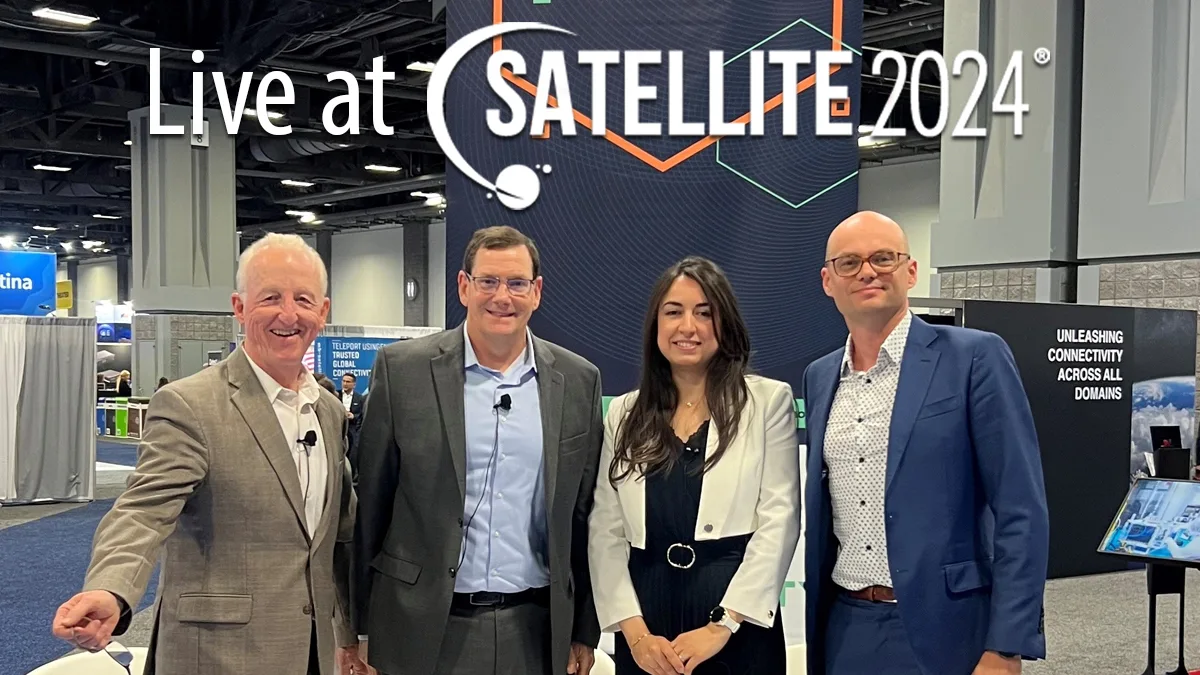
Multi-orbit antennas were in the spotlight at the recent SATELLITE 2024 show. I heard much talk about them in meetings, on the floor and in panels.

Constellations spoke with Sethu Saveda Suvanam, Founder and CEO of ReOrbit, about the digital transformation of the satellite industry. With the increasing prevalence of software-defined satellites and increased capacity for onboard computing, the landscape of the entire sector is changing quickly.

Following the strategic unveiling by SES’s new CEO, the satellite giant hints at a paradigm shift towards embracing Low Earth Orbit (LEO) constellations, complementing its focus on the mPower high-throughput satellite expansion for global coverage and strategic partnerships, such as the collaboration with SpaceX’s Starlink.

Constellations spoke with Daniel Bar-Lev, Vice President of Strategic Programs at MEF, about the importance of standards like Carrier Ethernet and the convergence of terrestrial and satellite communications.

In the space industry, the adoption of software-defined networking and software-defined wide area networks is one of the changes helping to drive the digital transformation of today’s satellite networks.

Constellations is waving goodbye to 2023 and saying hello to our 7th year as a leading source of insights for the satellite industry.

Given the potential $35 billion in revenue opportunities for the convergence of satellite and global telecommunications, there is growing recognition that the space sector will need to learn to speak using terrestrial standards—not the other way around.

Telecom Industry Embraces Disaggregation: Telefónica and MTN Group Lead Shift Towards Separating Hardware and Software, Promoting Innovation and Cost Efficiency in Global Networks

Network Architecture & Infrastructure

SpaceX-RAYing In-Flight Wi-Fi via Starlink

Qatar Airways partners with SpaceX’s Starlink for groundbreaking high-speed, low-latency in-flight Wi-Fi, marking a significant step in non-geo, low-latency in-flight entertainment and connectivity. This pivotal agreement, leveraging Starlink’s extensive satellite network, aims to enhance passenger experience across Qatar Airways’ vast global network of over 160 destinations.

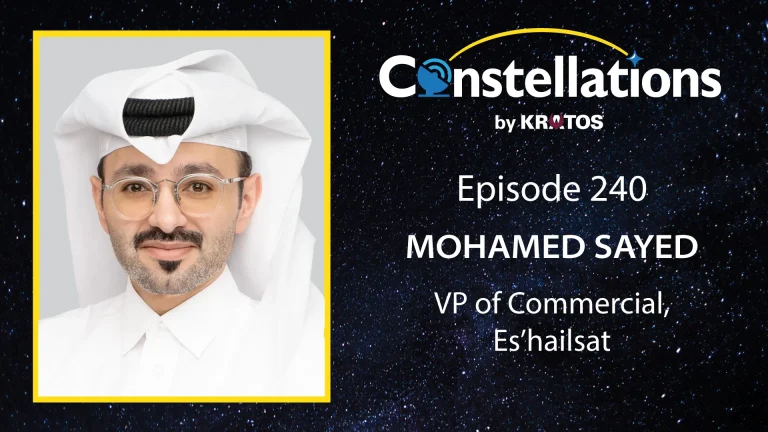
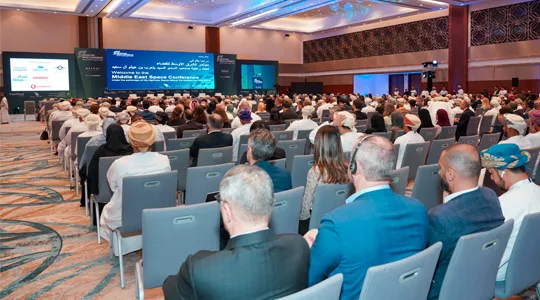
Mohamed Sayed, VP of Commercial at Es’hailsat joins Constellations to discuss how regional operators are navigating a new era of mega-constellations, as governments across the Middle East invest in sovereign space capabilities and secure communications-regional operators will start playing a bigger role.

Univity’s proposed broadband and direct-to-device constellation reflects a new approach to satellite connectivity by putting telecom operators—not satellite providers—at the center of the value chain through a shared, wholesale space infrastructure that seamlessly extends terrestrial 5G networks into space.

As direct-to-device satellite services move toward commercial scale, operators, regulators and mobile carriers are grappling with how spectrum rights, licensing frameworks and cross-border interference will shape the future of global connectivity. How hybrid use of terrestrial and MSS spectrum is emerging as the most practical path forward, even as questions around sovereignty, regulation and customer control remain unresolved.

Market Competition & Strategy

What’s in Store at Space Industry Forum

Novaspace’s Nathan de Ruiter shares why the industry is moving past speculation toward real-time execution in areas like sovereign connectivity and multi-orbit strategies. Read the full interview to understand how operators are navigating a fragmented landscape defined by local regulation and the convergence of satellite and terrestrial networks.

Cloud Computing

Certifiable

The approval of a certification program for the DIFI 1.1 standard marks a key step toward greater interoperability and trust in digital IF equipment, enabling both standardized performance assurance and independent third-party validation. As virtualization and cloud-based ground systems expand, DIFI compliance and feature-based certification will make it easier for organizations to specify, deploy and scale interoperable solutions.

As the United States reshapes its military space posture for a more contested orbital environment, it is emphasizing proliferated satellite architectures, closer integration with commercial industry and more flexible acquisition strategies to sustain operational advantage. At the same time, analysts warn that long-term strategic planning, industrial capacity in space and clearer capability signals to industry will be critical to ensuring resilience, deterrence and mission effectiveness in future conflicts.

Ground Segment & Telemetry

Making Gateways More Resilient

The physical attack on an SES gateway in Israel marks a turning point in how we view satellite infrastructure, shifting the focus from cyber threats to the urgent need for kinetic resilience. By adopting standards like DIFI to virtualize and distribute ground segment operations, organizations can ensure connectivity remains seamless even if a specific physical site is compromised.

This article breaks down four vital takeaways driving the industry's next growth curve, from fierce spectrum land grabs to the game-changing scale of Low Earth Orbit (LEO) deployments. Click the link to uncover how the clash between proprietary systems and emerging 6G standards will reshape global connectivity.

CEO Matt Desch is finally playing the valuation game, signaling openness to mergers or alliances to command the premium multiples currently assigned to direct-to-device hype. Beyond the spectrum positioning, the firm operates as the baseline fallback network for aviation and government infrastructure, offering an embedded hedge against broader market exuberance.

Network Architecture & Infrastructure

China’s D2D Ambitions

ABI Research’s Rachel Kong breaks down mega-constellation filings, 5G NTN trials, and the coordinated state–telco model shaping D2D connectivity. Discover how this approach could influence spectrum access, handset interoperability, and Western operators’ competitive positioning.

Deployment of operational optical inter-satellite links is reshaping multi-orbit data flow by enabling continuous, low-latency, cloud-like routing in space. Kepler Communications CEO Mina Mitry discusses how optical relays, on-orbit processing and interoperability standards are laying the foundation for scalable, real-time space networking.

With major players like Starlink and Eutelsat expanding their constellations, the 3GPP’s adaptable 5G NTN standard supports diverse network architectures by allowing the radio base station to reside either on the ground or on the satellite itself. This flexibility enables operators to balance proprietary mission requirements with the strict interoperability needed for direct-to-device connectivity.

In a year defined by Golden Dome, Starlink’s unprecedented scale, direct-to-device disruption and rising demands for sovereignty, 2025 marked a strategic inflection point. Quilty Space take a look back at the year’s milestones.

Non-Terrestrial Networks (NTN) / 5G

Where is NTN IoT Headed Next?

The market is fragmenting across GEO, LEO and proprietary paths, each with distinct trade-offs in latency, hardware readiness and long‑term viability. As 3GPP standardization gains momentum, expect faster scale in verticals like drones, aviation, maritime and agriculture — but silicon and partner stability will decide who wins.

Market Competition & Strategy

Satcom Market Shifting to Data Applications

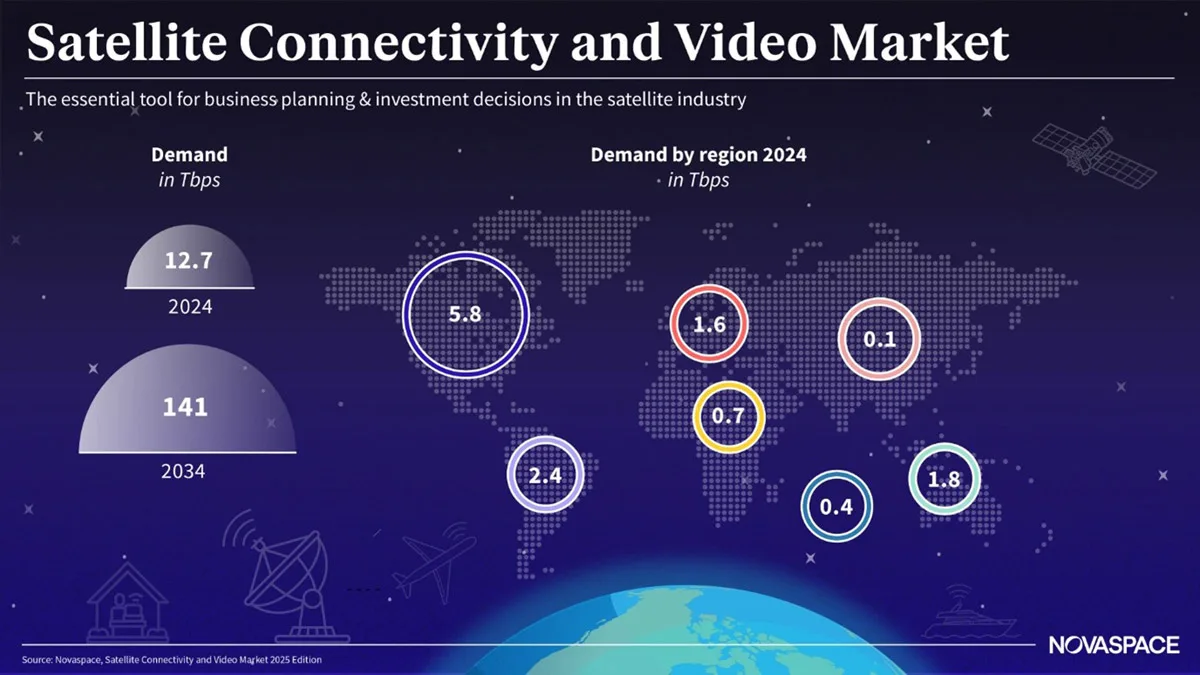
Data applications are projected to rise from 21% to 55% of service revenues by 2034, nearly tripling to $67B and driving total market expansion to $122B. This shift will push capacity demand from 12.7 Tbps to 141 Tbps, reshaping revenue models and opening new opportunities across commercial, government, and consumer segments.

Starlink’s Priority guarantees are changing the game for backhaul, enterprise, and maritime connectivity in ways Christopher Baugh and Lluc Palerm unpack in this episode. Traditional providers must now sharpen differentiation, defend quality in niche verticals, and translate service-level commitments into clear commercial value.

Satellite direct-to-device (D2D) technology—originally designed for commercial connectivity—is emerging as a valuable complement to military communications, offering resilient, low-bandwidth links for logistics, IoT, and situational awareness in contested environments. How battle-tested commercial systems are evolving to meet defense needs, from PNT-enabled sensors to S-band architectures that can operate “hidden in plain sight.”

Virtualized, cloud-native ground systems let AI adapt quickly and secure operations through live telemetry. Standards and interoperability make training data consistent and scalable across diverse satellite and terrestrial elements.

Discover how the new Inbound Link Establishment protocol enables automatic link monitoring and rapid failover in seconds, minimizing mission disruption across satellites and ground segments. From NATO’s PlugFest evaluations to MILCOM 2025 workshop sessions, dive into the interoperability and scalability solutions shaping tomorrow’s resilient networks.

The satellite industry is positioned play a pivotal role in the U.S. Broadband Equity, Access and Deployment (BEAD) program, which aims to close the digital divide in underserved and rural areas. Can satellite compete with fiber providers?

The addition of satellite connectivity to private 5G environments is helping transform enterprise networking by making networks more adaptable and resilient. The convergence of private 5G with non-terrrestrial network infrastructure is driving enterprises and mobile network operators to rethink network resilience and how traffic can be prioritized.

The company must launch over 1,500 satellites by July 2026 to meet its first regulatory milestone, a feat made difficult by launch vehicle availability. This uncertainty, and competition from players like Starlink, raises questions about Kuiper's ability to fulfill its global internet ambitions.

Kratos and industry leaders showcased how telco/satcom integration can deliver uninterrupted data access during disasters. Their award-winning demo at DTW Ignite proves that hybrid networks aren’t just possible—they’re lifesaving. This Catalyst project sets a new benchmark for resilient, mission-critical communications. It’s a blueprint for how technology can serve humanity when it matters most.

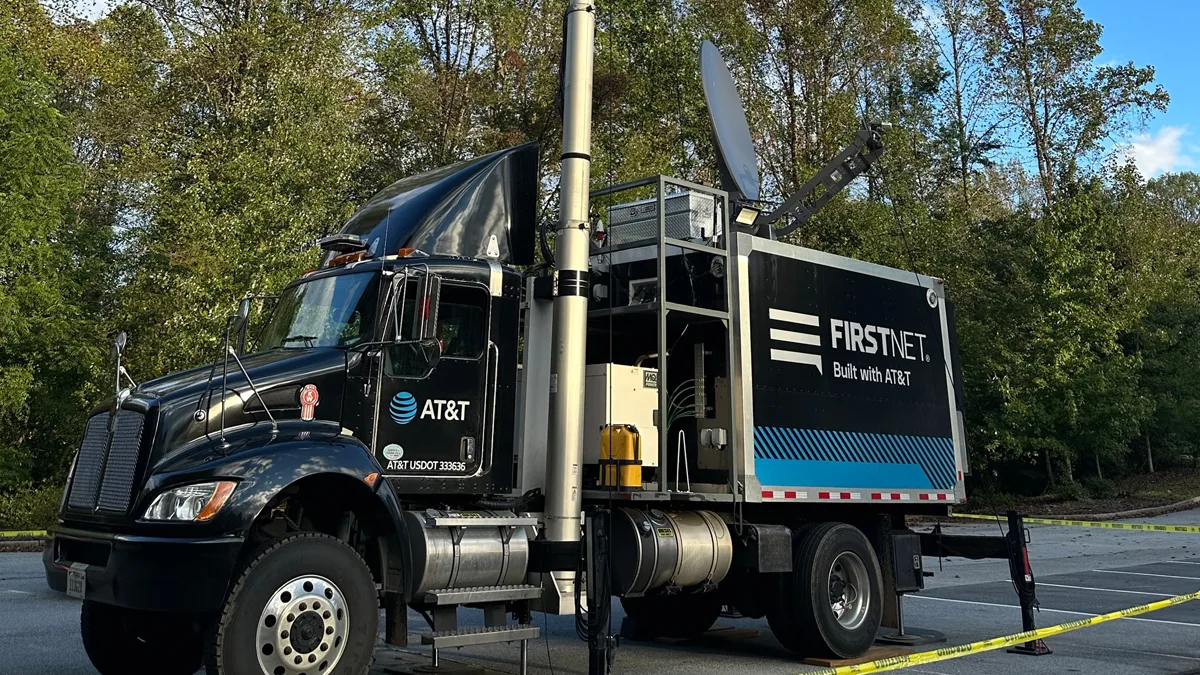
One of the first casualties of a natural disaster is the network and communications infrastructure needed for a coordinated, collaborative, and effective response. Peter Kibutu of TPP and Mohammad Baig of AT&T explain how D2D satellite connectivity can be a new tool in delivering ubiquitous connectivity to emergency and disaster response personnel when the lights go out.

These networks offer high-speed, low-latency internet, bridging the digital divide and bringing opportunities to underserved regions. By complementing terrestrial infrastructure, LEO constellations are poised to reshape how we connect and communicate.

Operators must choose between reusing terrestrial frequencies or using dedicated Mobile Satellite Services (MSS) spectrum, each presenting distinct challenges. This decision shapes service potential, device compatibility, partnerships, and the strategy for enhancing coverage and market growth.

Policy makers hold the key to unlocking AI’s potential in revolutionizing communications networks. Explore strategic initiatives designed to drive smarter, more resilient digital infrastructure for a sustainable future.

Discover how software-defined satellites are transforming the satellite industry by offering dynamic capacity and coverage adjustments to meet customer demand. Hear how flexible ground systems enable these innovations, unlocking new revenue opportunities and competitive advantages for operators.

The Mobile Satellite Services Association (MSSA) is an industry partnership seeking to accelerate the adoption of 5G D2D and 5G IoT technologies over existing satellite networks. Read four takeaways from MSSA Treasurer Jacques Leduc on the path to widespread D2D adoption.

Learn how Direct-to-Device (D2D) satellite connectivity is bridging connectivity gaps, with insights from Jacques Leduc, CEO of Terrestar Solutions. He explores the impact of 3GPP 5G standards, spectrum access, and strategic partnerships on the D2D market's future growth.

From orbital refueling to the rise of multi-orbit systems, innovations are set to redefine the satellite landscape. Discover Analysys Mason's top 10 predictions for the future of space technology and infrastructure.

Market Competition & Strategy

Predictions for the Space Industry in 2025

From orbital refueling to the rise of multi-orbit systems, innovations are set to redefine the satellite landscape. Discover Analysys Mason's top 10 predictions for the future of space technology and infrastructure.

Constellations spoke with Sergy Mummert, SVP of Sales Global Cloud and Strategy Partnerships at SES Networks, about what it takes to build resilient satcom networks. These are our top four takeaways from the conversation.

Satellite Connectivity & Technology

HAPS Expert: The Stratospheric Satellite Alternative

While satellite providers continue to build large constellations in LEO, continuous connectivity to the ground remains difficult and expensive. High altitude platform stations, or HAPS, could be one alternative. Read the takeaways from our discussion with Russ Van Der Werff, Vice President of the HAPS Alliance and VP of Stratospheric Solutions at Aerostar.

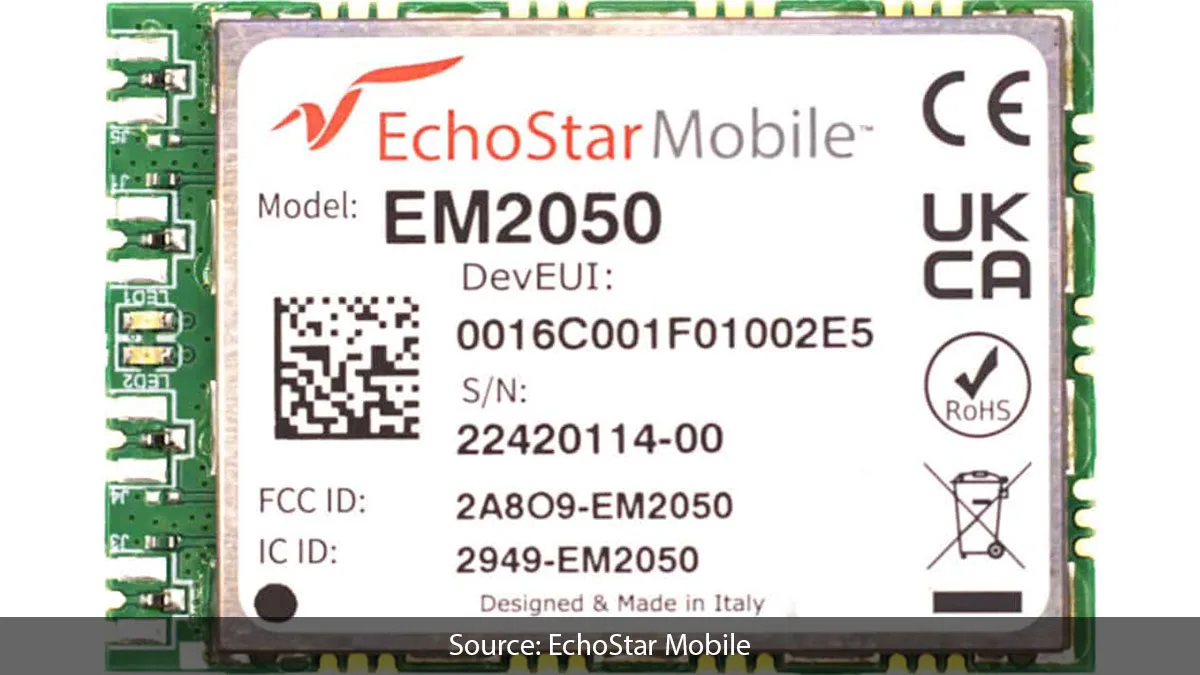
From direct-to-device communication to rural broadband and connected cars, the integration of satellite services is reshaping telecom as we know it. By 2033, annual satellite telecom revenues could soar to $165 billion, driven by groundbreaking investments and innovation.

In this episode, we explore the shift from large, custom satellites to smaller, standardized space vehicles and the need for rapid satellite launches. Our guest highlights how commercial space drives faster innovation and why swift satellite deployment is essential for the future of modern warfare and space technology.

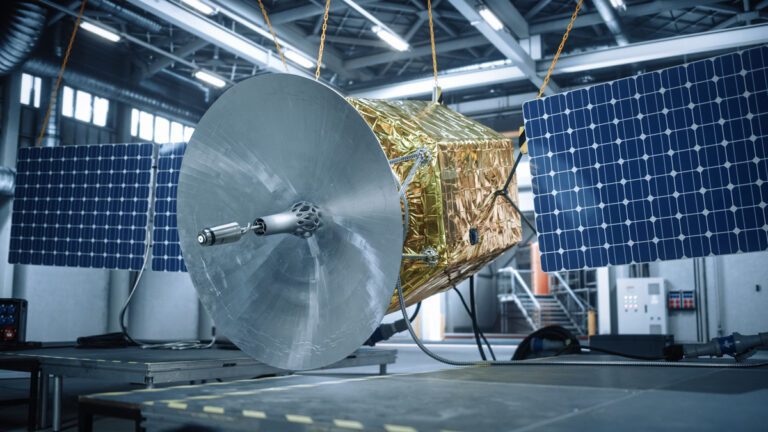
Modular satellites could drastically reduce the time and cost of satellite assembly, fostering faster deployment in commercial and military applications. By embracing modularity, the space industry is opening doors to enhanced agility, interoperability, and global accessibility.

The use cases and applications for D2D connectivity services are growing and will continue to proliferate as more chipsets are manufactured and become available. Deloitte and Juniper Research examine the design, signal compatibility and antenna requirements of the chipsets and devices powering D2D capabilities.

D2D capabilities are anticipated to completely transform how the military, government and commercial sectors leverage satellite connectivity. Omnispace, Novaspace, AT&T, Viasat, and Iridium explore the progress that has been made in the D2D race, the regulatory challenges they face, and the remaining technology requirements and standards that are needed to roll out D2D services en masse.

Ron Faith, CEO and President of RBC Signals, talks all things GSaaS and smallsats and explains why satellite operators and service providers need to start thinking of the ground segment first rather than last.

Access to earth observation data is spreading to sectors outside space and satellite. Constellations spoke with Igor Alonso Portillo and Eliot Nelson of KSAT about the changing landscape of SmallSat, including increased private sector involvement and growing global dependence on satellite data.

With the Galileo LEO rollout, Gogo aims to deliver aviation-grade reliability and personalized support tailored to high-end clients. As the competition heats up, business jet operators will soon decide if Gogo’s offerings meet their elevated demands better than Starlink’s consumer-grade approach.

Wayward boat anchors, natural disasters, and malicious actors can damage or destroy the subsea optical cables that deliver critical communications and connectivity around the globe. Constellations sits down with Ali Younis of Mynaric, and Ashesh Mishra of Aalyria, to discuss how new technologies could make satellites a viable backup option for when subsea cables are degraded or destroyed.

With the shift towards smaller, more efficient satellite designs, the industry is poised for a transformative period. Emerging players and established giants alike are investing heavily in these nimble solutions, signaling a competitive and innovative future.

As the demand for reliable global connectivity increases, flat-panel antennas are emerging as a key solution for multi-orbit and multi-band networks. These antennas offer significant advantages in form factor and performance, making them ideal for various applications from maritime to military use.

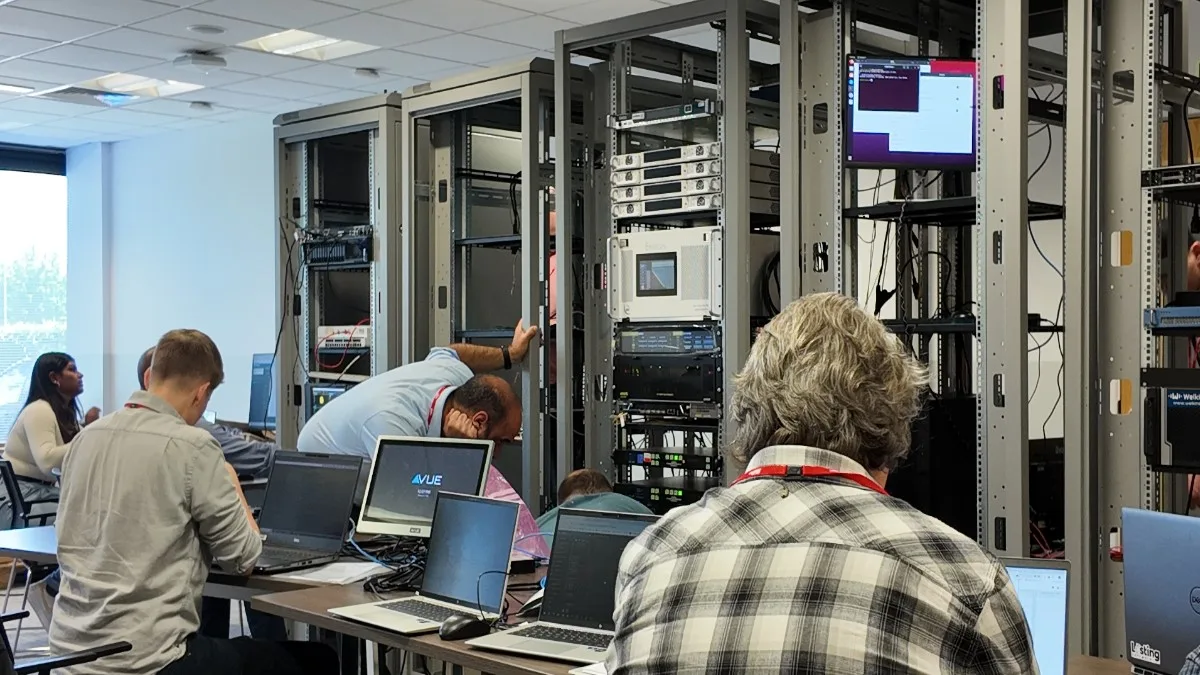
Participants tested a variety of devices to ensure compatibility with DIFI 1.2 standards. The event highlighted the importance of collaboration in advancing digital ground systems.

With us today on Constellations Podcast is Lucas Hansen, Vice President and General Manager of Wireless and Satellite Direct-to-Device Communications at Keysight Technologies to discuss the opportunities, challenges, use cases and future of 5G from space.

Orbith is doubling down on its investment to compete with major players like Starlink, Hughes, and Viasat without relying on government subsidies. The company offers competitive pricing and comprehensive installation services, positioning itself as a strong contender in the regional satellite internet market.

In the history of commercial satellite communication, no company has created more disruption than SpaceX’s Starlink. In just six years, Starlink has launched over 6,000 satellites and expanded its user base to 2.7 million subscribers—over one-third more than the combined 2 million subscribers of Hughes and Viasat at their peak.

On this Constellations Podcast, we explore the evolution of the satellite terminals. Join our panel of experts to understand how the digital transformation of satellite networks has opened the door to orchestrated and automated operations across multiple orbits.

While the so-called “kill phase” of missile defense is critical, recent events demonstrate that defeating low-cost missiles with multimillion-dollar interceptors is not sustainable. There is growing recognition of the need for technology innovation, from directed energy to enhanced sensing and integration between the land, sea, air and space-based layers of the enterprise.

Constellations spoke with Rivada Space Networks CEO Declan Ganley and VP of Product Development Konrad Nieradka about the shifting relationship between telecom and satcom, building a laser-mesh OuterNET and creating the first multiprotocol label switching (MPLS) network in LEO.

As Hughes shifts its focus towards enterprise markets and leverages its Jupiter 3 satellite to improve consumer broadband services, the company navigates the challenges and opportunities presented by the dynamic competitive landscape of global satellite communications.

Non-Terrestrial Networks (NTN) / 5G

MWC 2024: Top Takeaways for Satellite

Satellite has had a growing presence at Mobile World Congresses in recent years. Constellations shares photos and highlights from MWC Barcelona’s first Satellite and Non-Terrestrial Network Summit.

One reason is that they’re not parabolic antennas. Most industry standards for satellite terminals that cover antenna functions are based upon the legacy scenario in which a single-purpose parabolic antenna is controlled by a single modem.

Network Architecture & Infrastructure

Sat-to-Cell Progresses Through the Hype Cycle

In Gartner’s Hype Cycle, the “Peak of Inflated Expectations” is followed by the “Trough of Disillusionment.” For satellite-to-cellular realists, these peaks and troughs have not been terribly dramatic.

As satellite technology advances and costs decrease, telecom operators are finding lucrative opportunities in integrating satellite services into their portfolios, marking a significant shift towards non-terrestrial networks to expand coverage and enhance connectivity.

Why is the Middle East considered one of the most dynamic regions for space worldwide? Regional players are finding a diverse commercial ecosystem where they can leverage cutting-edge technologies into advanced capabilities.

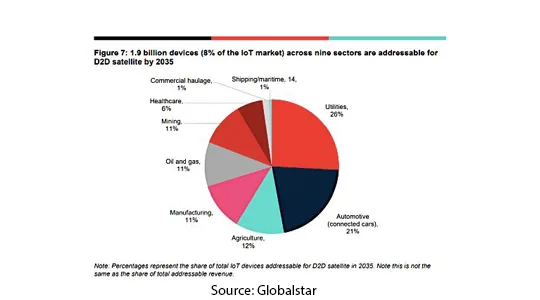
Globalstar’s unique stance in the rapidly evolving D2D communications market: An in-depth look at whether the new wave of satellite investments can truly meet the rising demands of direct-to-device connectivity.

Skylo Technologies, a satellite direct-to-device provider, is leveraging licensed spectrum from geostationary satellites for its initial services in Europe and North America, while remaining open to both GEO and LEO architectures and emphasizing the importance of 3GPP standards for mobile connectivity.