



Space is a Network.
Constellations is Your Connection.

Business Strategy

Standardized cybersecurity frameworks are giving the space industry a common language to share threat intelligence, accelerate defenses and ultimately enable machine-to-machine protection against sophisticated attacks.

As rivals build resilient positioning, navigation and timing (PNT) architectures beyond GPS, experts warn the United States is falling behind due to fragmented leadership, a lack of a national backup system and slow government action.

By transitioning to software-defined systems, operators can slash costs by over 50% and accelerate deployment times from weeks to just a single day. This shift not only streamlines multi-orbit management but also provides a critical competitive edge in the emerging $30 billion 5G NTN market.

The head of the Taiwan Space Agency recently proposed an Asia-Pacific answer to Starlink, kicking off a critical discussion about sovereignty, regional collaboration and the role of commercial partnerships in LEO.

Increasing solar-weather volatility is exposing weaknesses in LEO constellation models, accelerating orbital decay, disrupting traffic management and forcing operators to rethink propulsion, lifecycles and autonomy. In response, the industry is shifting toward more resilient architectures to maintain reliability and reduce systemic risk.

While consumer interest in satellite-backed safety features is high, success hinges on moving past “one-size-fits-all” data pricing and industrializing hardware for the high-volume assembly line. Explore how aligning satellite capabilities with automotive roadmaps will finally turn global connectivity into a standard feature rather than a premium option.

Highlights from a webinar on the business case for virtual ground systems explain how software-defined architectures are helping satellite operators scale constellations more efficiently while reducing costs and speeding deployment. The discussion outlines how virtualization supports multi-orbit operations, cloud integration, and evolving 5G-NTN capabilities, strengthening flexibility and return on investment for modern satellite networks.

Operators transitioning to these software-based architectures can achieve nearly 40% in overall cost savings while significantly accelerating deployment cycles for new services. This technological shift is essential for capturing the $30 billion 5G NTN opportunity and ensuring long-term mission adaptability in a rapidly evolving orbital economy.

Bringing manufacturing in-house grants these companies the strategic advantage of controlling the entire stack, though it introduces substantial capital risk and threatens market fragmentation. To maintain optionality and outpace competition, vendors must pursue targeted M&A to navigate the rising geopolitical demand for sovereign data solutions.

As global LEO constellations reshape satellite economics through scale and speed, Middle Eastern operators are charting a different path rooted in sovereignty, regulatory alignment and national strategy. How regional satellite companies are leveraging close ties with governments, multi-orbit collaboration and spectrum stewardship to remain relevant and grow.

A threat actor known as Zestix recently used valid credentials stripped from infected machines to breach roughly 50 organizations, including a Turkish aerospace manufacturer and an Indonesian satellite operator. Instead of using complex exploits, these attackers simply logged in to steal military intellectual property and technical documentation, proving that basic identity hygiene remains a persistent failure point.

Market Competition & Strategy

Satcom Market Shifting to Data Applications

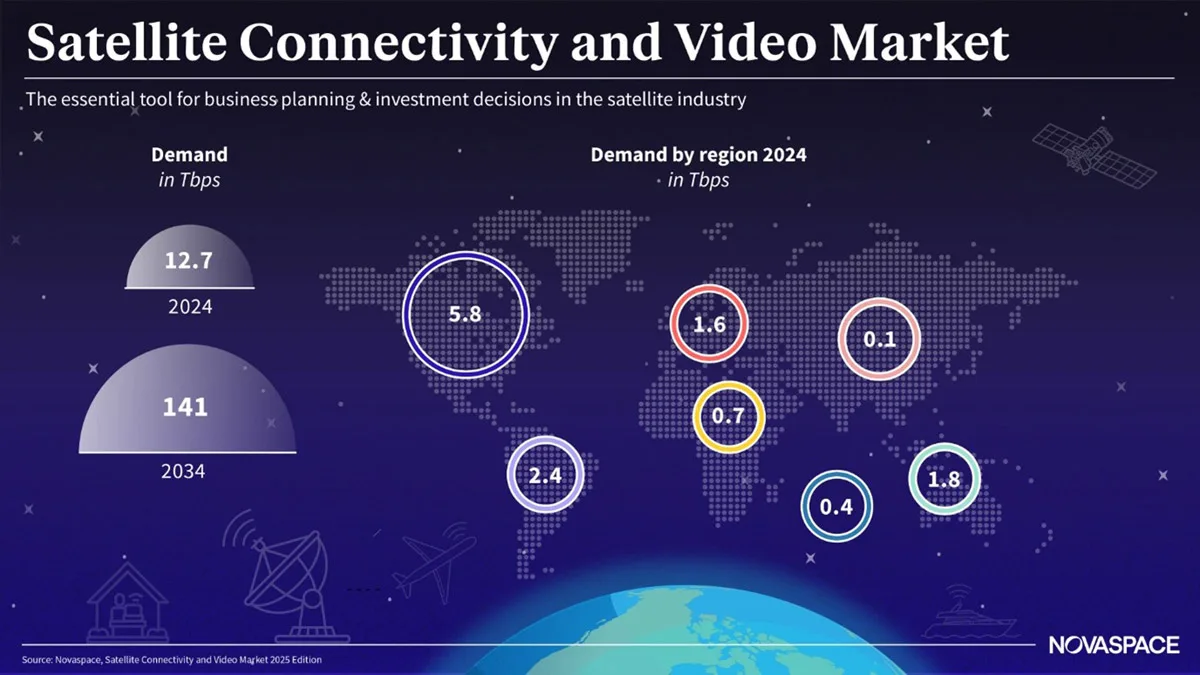
Data applications are projected to rise from 21% to 55% of service revenues by 2034, nearly tripling to $67B and driving total market expansion to $122B. This shift will push capacity demand from 12.7 Tbps to 141 Tbps, reshaping revenue models and opening new opportunities across commercial, government, and consumer segments.

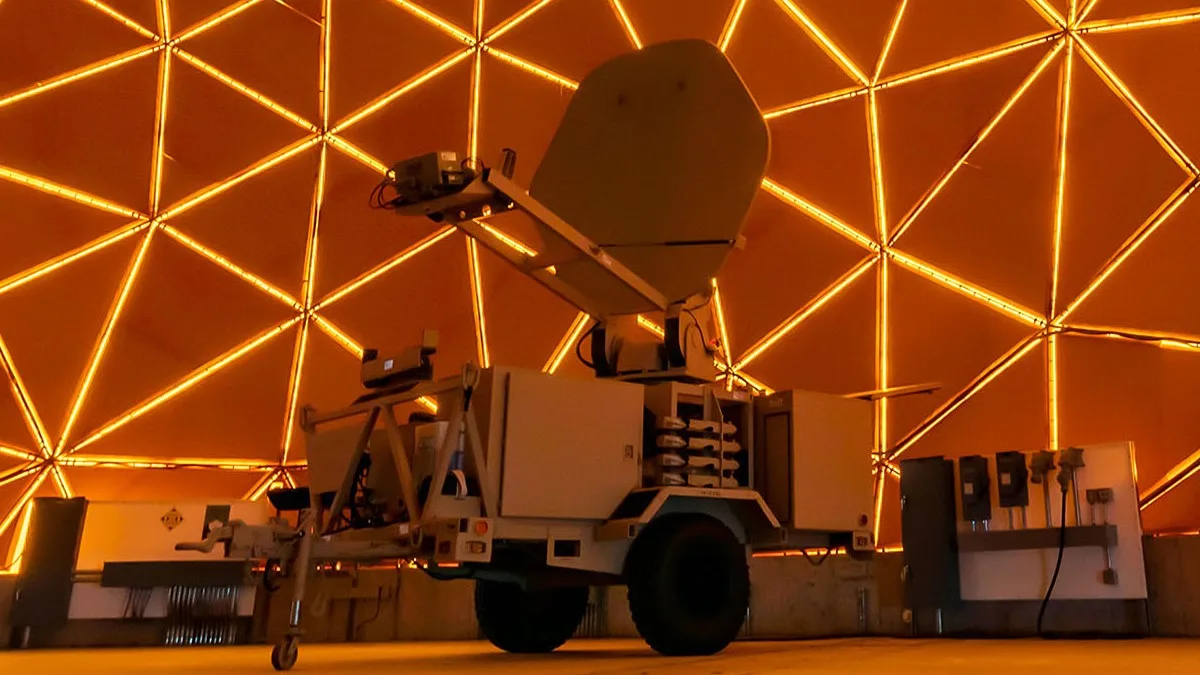
During a live demonstration, engineers pulled the plug on an antenna mid-transmission, yet the satellite link never faltered—automatically switching to a backup site without missing a beat. This breakthrough in digital IF technology promises more resilient communications for U.S. forces, with AI-powered insights emerging as the next frontier.

New entrants in the space industry have sprung up across the globe on the strength of venture capital investment, hardware commoditization, reduced launch costs, electronic component miniaturization and software advances. Something else many of these newcomers share in common: a focus on government markets.

Timely delivery, cost efficiency, and technical competitiveness will be key to securing contracts under this ambitious initiative. Christopher Baugh and Dallas Kasaboski unpack the strategic and operational hurdles satellite players must overcome.

On May 13, 2025, the Interlock ransomware group attacked National Defense Corporation (NDC) and its subsidiary AMTEC, potentially exposing sensitive supply chain data. This incident underscores that ransomware is a national security concern with implications for the commercial space sector and the Defense Industrial Base, emphasizing the need for robust cybersecurity across the entire supplier ecosystem.

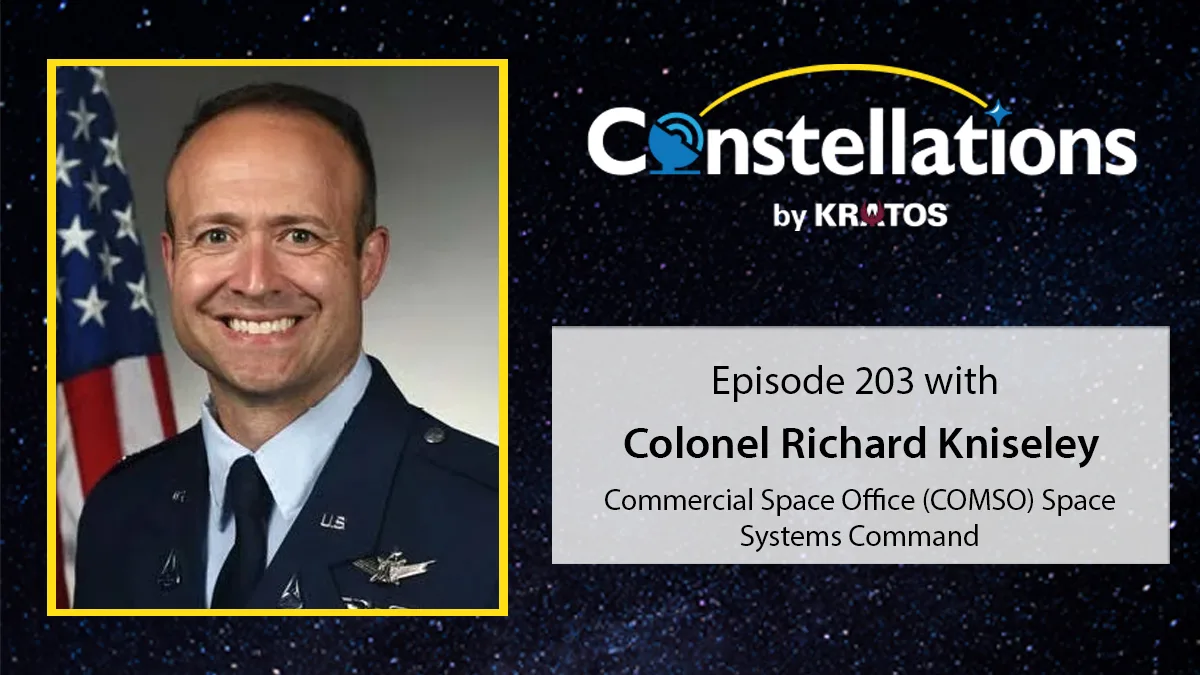
Colonel Richard Kniseley from the Space Systems Command's Commercial Space Office discusses the U.S. military's strategy for leveraging commercial space capabilities. Col. Kniseley highlights the "buy before build" approach, the role of commercial services in military readiness, and the Commercial Augmentation Space Reserve (CASR) program. Learn how industry partnerships are shaping space domain awareness and driving innovation in defense.

Discover how software-defined satellites are transforming the satellite industry by offering dynamic capacity and coverage adjustments to meet customer demand. Hear how flexible ground systems enable these innovations, unlocking new revenue opportunities and competitive advantages for operators.

On the Constellations Podcast, Ian Canning, CEO of Eutelsat America and OneWeb Technologies, explores the vital role of GPS for commercial and military applications. Hear how LEO constellations enhance resiliency in GPS/GNSS-challenged environments and transform U.S. military satellite communication by offering faster connectivity and improved security.

From falling launch costs to the rise of multi-orbit architectures, the sector is reshaping how capital flows into space infrastructure. Explore the four biggest trends driving this transition and what they mean for operators and investors.

Space ISAC’s review of 2026 threats examines how escalating geopolitical conflict, cyberattacks, AI-enabled threats, electronic warfare, supply chain vulnerabilities and increasingly contested orbits are reshaping the security and resilience of the global space sector.

Dr. Kelly Backes of MITRE discusses how the space industry can prepare for the quantum era and which technologies have the greatest impact on the security and resilience of future space systems.

Digital Transformation

Space at the Speed of Software

As AI, cloud computing and cyber threats accelerate the pace of network operations, satellite communications must embrace software-defined, interoperable architectures to keep pace with modern defense and commercial requirements.

As orbital activity accelerates, the challenge for space situational awareness is shifting from collecting more data to ensuring its accuracy, interoperability and trustworthiness through advanced data fusion and greater collaboration among operators, governments and commercial providers.

As Asia’s satellite market becomes more competitive and geopolitically complex, regional operators are reassessing their identities, partnerships and ground infrastructure strategies to remain relevant in a multi-orbit, multi-provider future.

Market Competition & Strategy

What’s in Store at Space Industry Forum

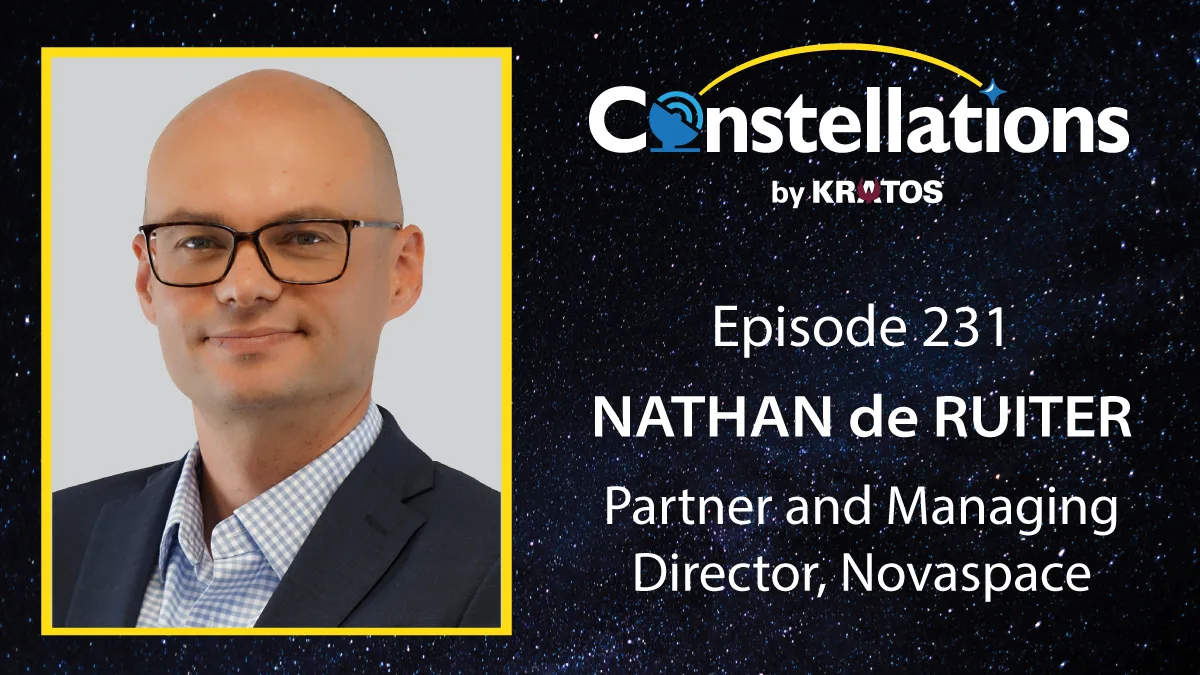
Novaspace’s Nathan de Ruiter shares why the industry is moving past speculation toward real-time execution in areas like sovereign connectivity and multi-orbit strategies. Read the full interview to understand how operators are navigating a fragmented landscape defined by local regulation and the convergence of satellite and terrestrial networks.

Nathan de Ruiter, Partner and Managing Director at Novaspace, breaks down the shifting supply-and-demand landscape for satellite capacity in Asia. Hear Nathan explain how pricing, competition, government programs and network evolution are reshaping operator strategy across one of the industry's fastest-changing regions.

Rising geopolitical tensions and supply chain risks are driving nations to invest heavily in sovereign space capabilities, with thousands of government-backed satellites planned to ensure independent access, resilience and strategic advantage in both military and civilian domains. But while sovereignty strengthens national security, experts warn that fragmentation, interoperability challenges and overreliance on single providers could undermine efficiency and resilience unless balanced with smart alliances and coordinated investment.

Smaller geostationary satellites are emerging as a flexible, lower-cost complement to both large GEO platforms and proliferated LEO constellations, enabling new commercial models and sovereign access while reshaping how operators deploy and manage capacity. At the same time, their adoption is driving more dynamic, disaggregated architectures and faster technology refresh cycles, reinforcing GEO’s continued strategic relevance in a multi-orbit future.

Ground Segment & Telemetry

Making Gateways More Resilient

The physical attack on an SES gateway in Israel marks a turning point in how we view satellite infrastructure, shifting the focus from cyber threats to the urgent need for kinetic resilience. By adopting standards like DIFI to virtualize and distribute ground segment operations, organizations can ensure connectivity remains seamless even if a specific physical site is compromised.

Constellations talked to Dr. Peter Garretson of the American Foreign Policy Council about how allied and commercial systems factor into deterrence, where current space strategies may be too narrowly focused, and which mission areas and technologies could quietly define space operations in the 2030s.

As low Earth orbit becomes increasingly crowded with mega-constellations, escalating collision and debris risks are pushing satellite operators to replace traditional, human-driven models with autonomous, AI-enabled space situational awareness and collision-avoidance systems embedded into mission design from the outset.

Ahead of the Middle East Space Conference, the map of the global space economy is being redrawn. From Oman’s Etlaq spaceport to Saudi Arabia’s emerging geospatial dominance to the engineering ecosystems in the UAE and Türkiye, the road to space increasingly runs through the Middle East.


Peter Krauss of Terran Orbital talks about the importance of rapid iteration and accelerated development to build and deploy on-orbit assets more efficiently to support commercial innovation and national defense needs.
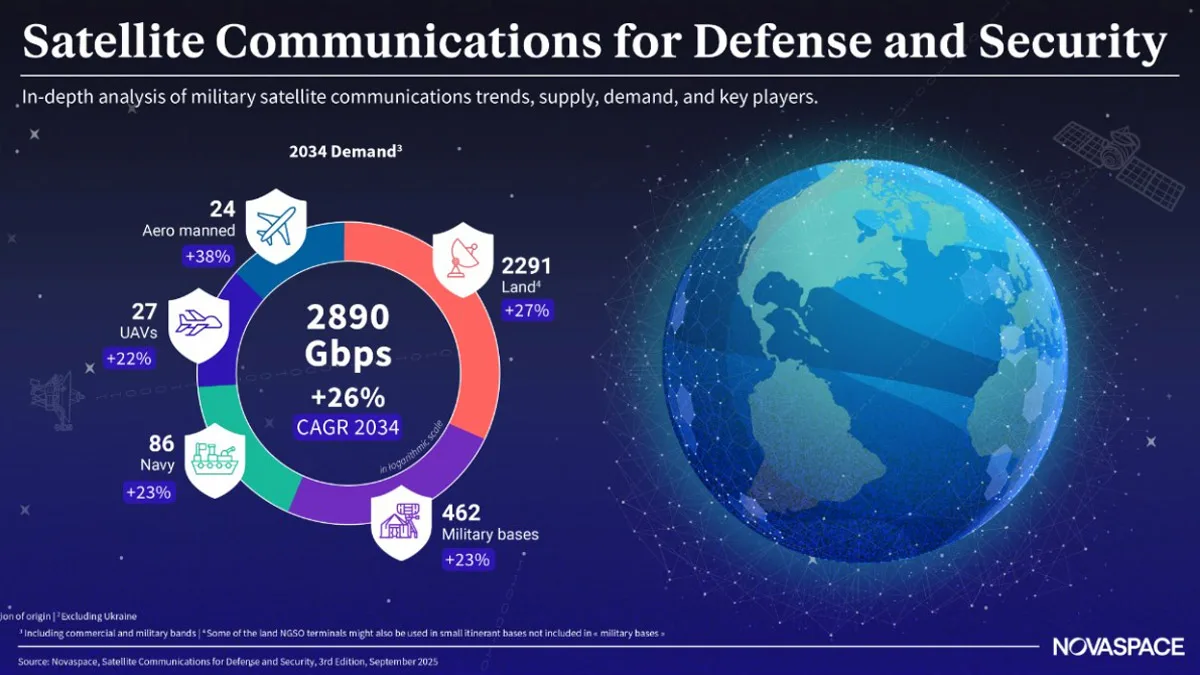
Rising global tensions and the need for resilient connectivity are driving a dramatic pivot from traditional geostationary satellites to more agile low-Earth orbit constellations. With demand growing at 26% annually, this transformation represents one of the fastest-growing segments in the defense technology sector.

Business Strategy

What’s in Store at VOSS

VOSS VI brings together global partners for expanded Five Eyes–inclusive classified briefings and immersive “Lunar Lifeline” tabletop exercises, highlighting the critical role of collaboration in economic growth and workforce innovation. Attendees will gain actionable intelligence, forge new strategic alliances in the Member Showcase, and engage emerging talent through hands-on crisis simulations and community events.

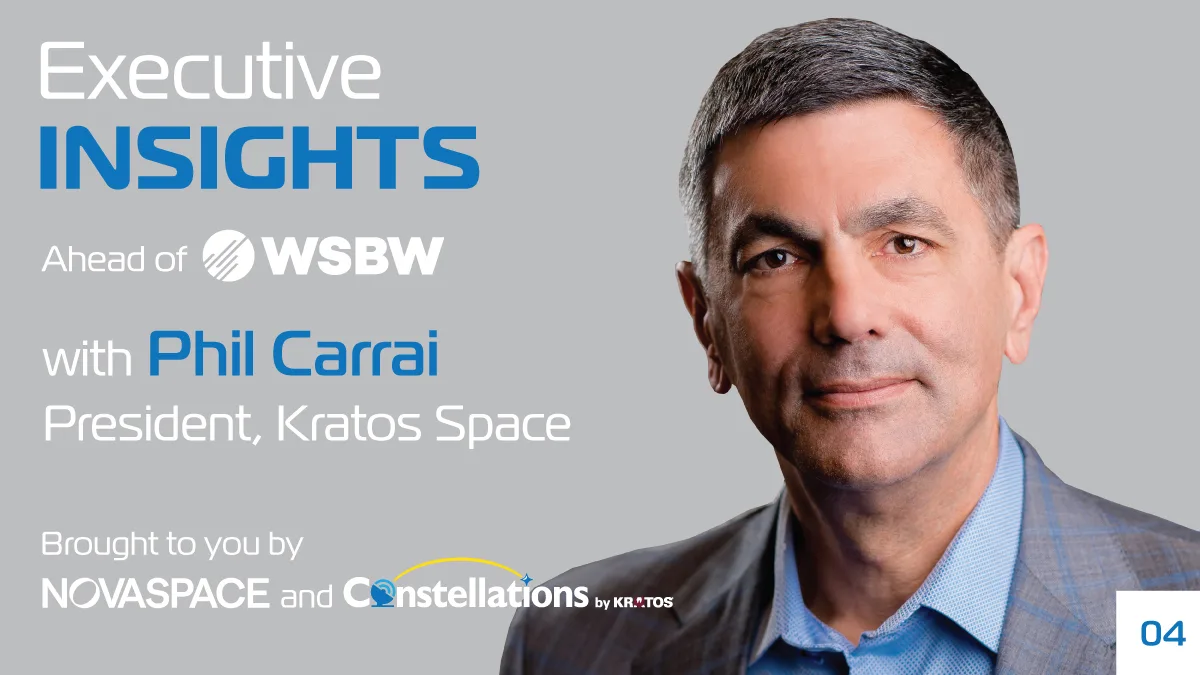
In this Executive Insights limited series, Phil Carrai is focused on 5G as the future of satcom! Phil tells us about recent 5G NTN developments from Kratos and identifies the emergence of mega constellations and better access to space as two major disruptors in our industry.

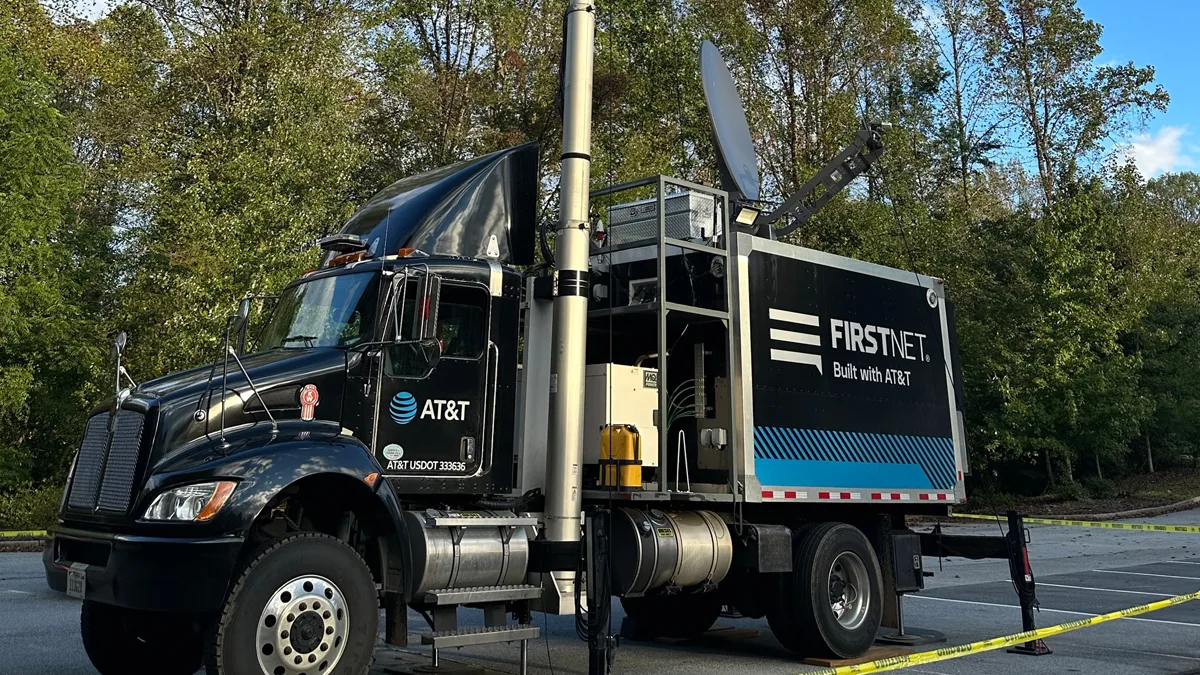
One of the first casualties of a natural disaster is the network and communications infrastructure needed for a coordinated, collaborative, and effective response. Peter Kibutu of TPP and Mohammad Baig of AT&T explain how D2D satellite connectivity can be a new tool in delivering ubiquitous connectivity to emergency and disaster response personnel when the lights go out.

While RF over Fiber has its place, the future of satellite communication lies in the flexibility and resilience of RF over IP. Common arguments against this digital transport method, from latency concerns to security implications, are directly confronted and addressed. For most new applications, a digital approach simply proves to be the more scalable and future-proof path forward.

With LEO mega-constellations reshaping how satellite tech is manufactured, launched and managed, legacy GEO operators are now faced with a “Kodak moment” where they must adapt and embrace new innovation—including new manufacturing and supply chain processes—or risk losing their long-held market share.

In March, the Space Force awarded four pilot contracts of the Commercial Augmentation Space Reserve (CASR) program, which will integrate commercial capabilities into military infrastructure. Constellations spoke with Colonel Richard Kniseley, Senior Materiel Leader at the Commercial Space Office (COMSO) at Space Systems Command, to learn more.

Insurers argue that SES’s claim anticipates future losses rather than covering observed anomalies, challenging traditional boundaries of satellite insurance coverage. The outcome of this dispute could significantly reshape risk assessment and claims processing practices in the satellite insurance industry.

A considerable amount of SATCOM market share and revenues are being increasingly captured by the cheaper pricing and scalability advantages offered by NGSO operators. A new white paper published by Analysys Mason, courtesy of Kratos, explores four ways a software-defined ground architecture can provide a marketplace advantage to traditional satellite operators and service providers that would allow them to compete with the explosion of NGSO service offerings.

Digital Transformation

What’s in Store at VOSS

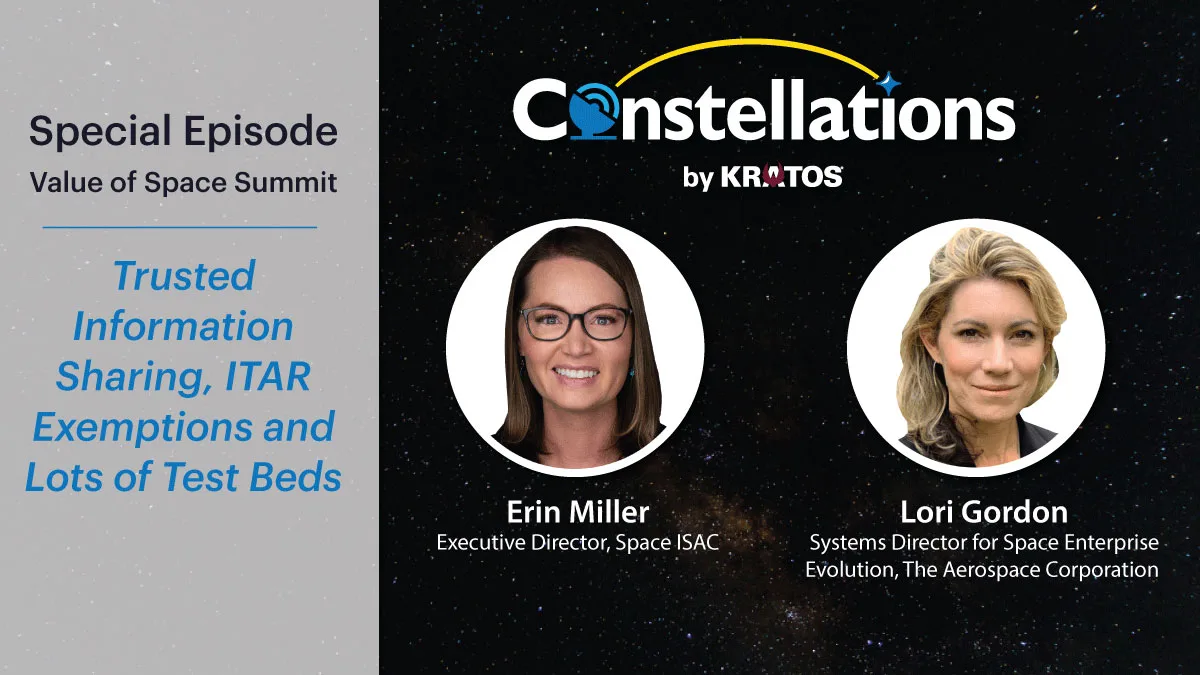
Constellations talked to the Space ISAC team about what to expect from the 2026 Value of Space Summit, what’s new about the event and what they most love about the location.

NASA’s new lunar base plans could generate billions in commercial opportunities, but Artemis delays, technical challenges and continued dependence on government funding are likely to push large-scale growth of the lunar economy deeper into the 2030s.

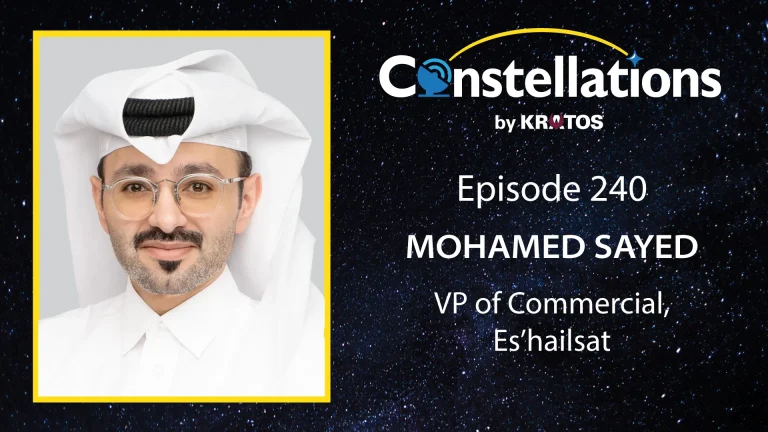
Mohamed Sayed, VP of Commercial at Es’hailsat joins Constellations to discuss how regional operators are navigating a new era of mega-constellations, as governments across the Middle East invest in sovereign space capabilities and secure communications-regional operators will start playing a bigger role.

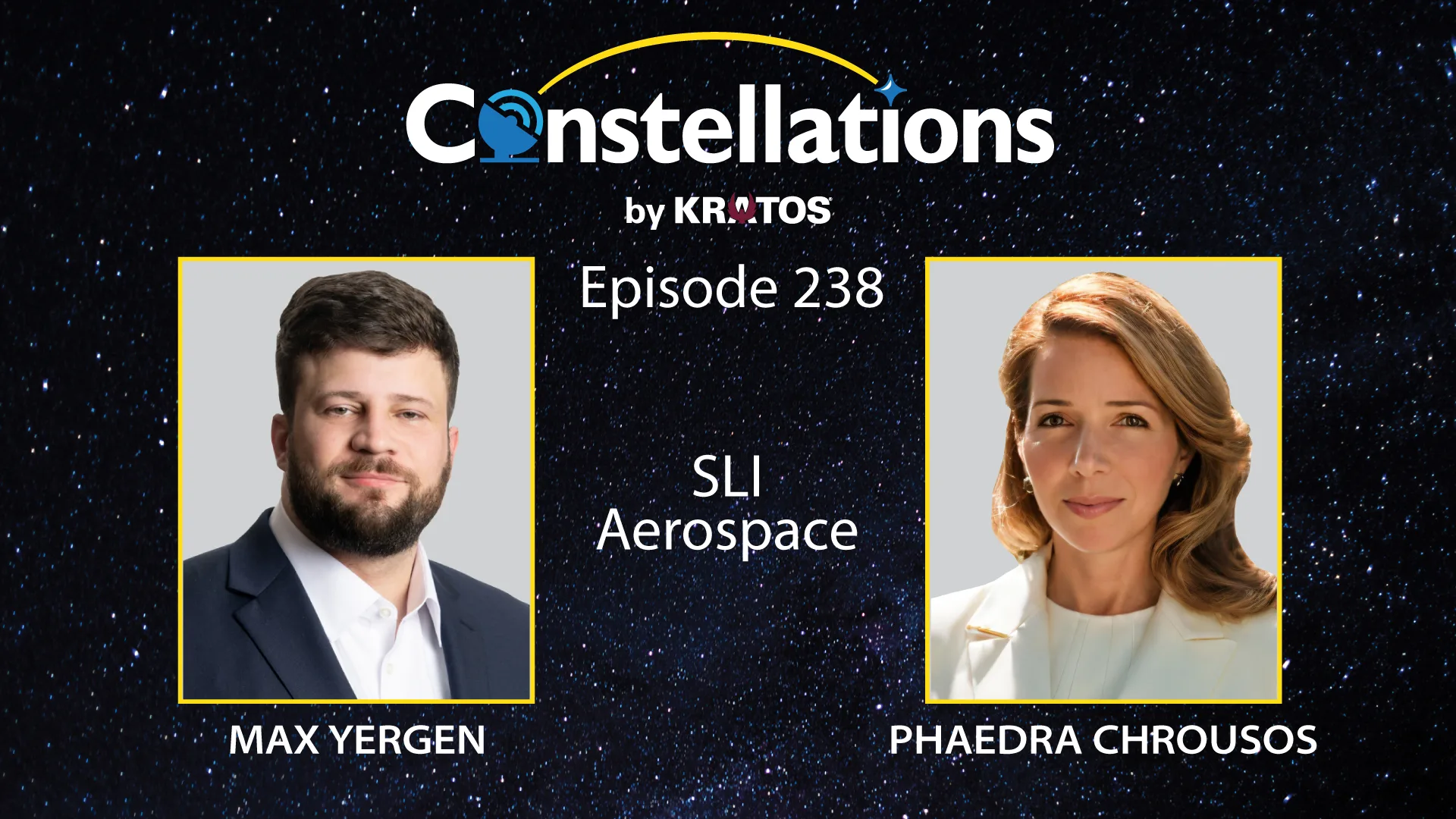
Financing in the space industry is often overlooked, yet a critical aspect to growth within the industry. Joining Constellations is Phaedra Chrousos and Max Yergan of SLI Aerospace, who will discuss how innovative financing models could accelerate the commercialization of space and reshape the economics of the industry for years to come.

ABI Research Principal Analyst Andrew Cavalier explains how Rocket Lab’s acquisition of Iridium signals a new era of vertically integrated space companies, reshaping competition, resilient PNT, spectrum strategy, and the future structure of the satellite services market.

The growing shift toward virtualized, software-defined ground systems is accelerating adoption of interoperability standards like DIFI, enabling satellite operators to reduce dependence on proprietary hardware while supporting scalable multi-orbit networks, 5G NTN integration and future AI-native architectures.

Market Competition & Strategy

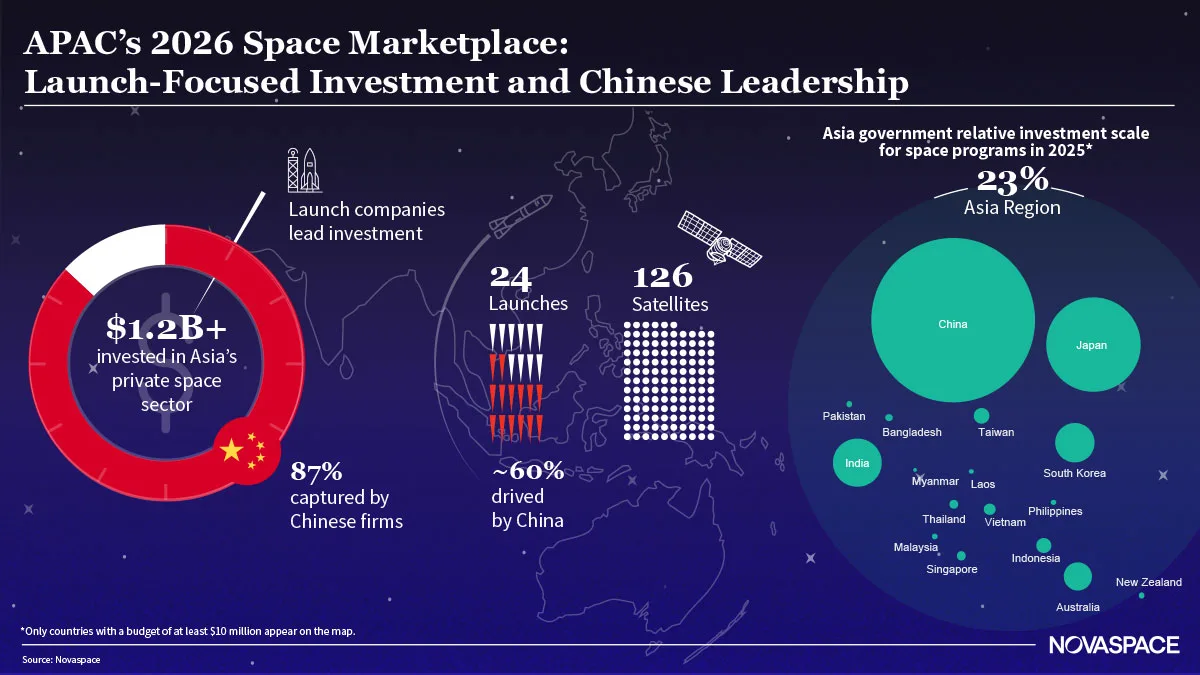
APAC’s 2026 Space Marketplace

As global LEO constellations reshape satellite economics through scale and speed, Middle Eastern operators are charting a different path rooted in sovereignty, regulatory alignment and national strategy. How regional satellite companies are leveraging close ties with governments, multi-orbit collaboration and spectrum stewardship to remain relevant and grow.

By securing Apple as a cornerstone partner, Amazon is officially launching a high-stakes challenge to Starlink’s orbital supremacy. The merger integrates Globalstar’s established spectrum with the “Amazon Leo” infrastructure to bring seamless, high-speed direct-to-device connectivity to the global market by 2028.

As threat actors shift from attacking perimeters to exploiting the implicit trust within CI/CD pipelines, the space sector faces an increasingly sophisticated software supply chain risk. This latest briefing analyzes how malicious libraries and compromised developer tools are bypassing traditional defenses to threaten mission-critical infrastructure and overall mission assurance.

In today’s threat environment, electronic warfare is as consequential as kinetic effects. Resilience is a going concern not only for national security space but for the commercial assets that underlie modern critical infrastructure.

CEO Matt Desch is finally playing the valuation game, signaling openness to mergers or alliances to command the premium multiples currently assigned to direct-to-device hype. Beyond the spectrum positioning, the firm operates as the baseline fallback network for aviation and government infrastructure, offering an embedded hedge against broader market exuberance.

Once focused on buying satellites, the region is now building sovereign capabilities that drive economic diversification, security, and technological leadership. Bold investments and local industry growth are positioning the Middle East as an emerging global hub for space innovation.

The attribution of this failure to a micrometeorite strike bears a skeptical resemblance to the Inmarsat-6 F2 incident, where insurance underwriters questioned similar claims regarding an Airbus-built bus. Considering the tumbling and power loss issues previously suffered by its twin, SpainSat NG 1, it is worth scrutinizing whether this is truly bad luck with space debris or a recurring systemic fault in the satellite’s design.

Eutelsat unifies GEO and LEO to deliver resilient network solutions for government and commercial users. The rebrand reflects a shift from wholesale capacity to end-to-end, mission-focused services that combine constellations, terminals and third-party tech for secure, redundant connectivity. Expect continued investment in multi-orbit resilience, PNT alternatives and new product rollouts that support complex operational environments.

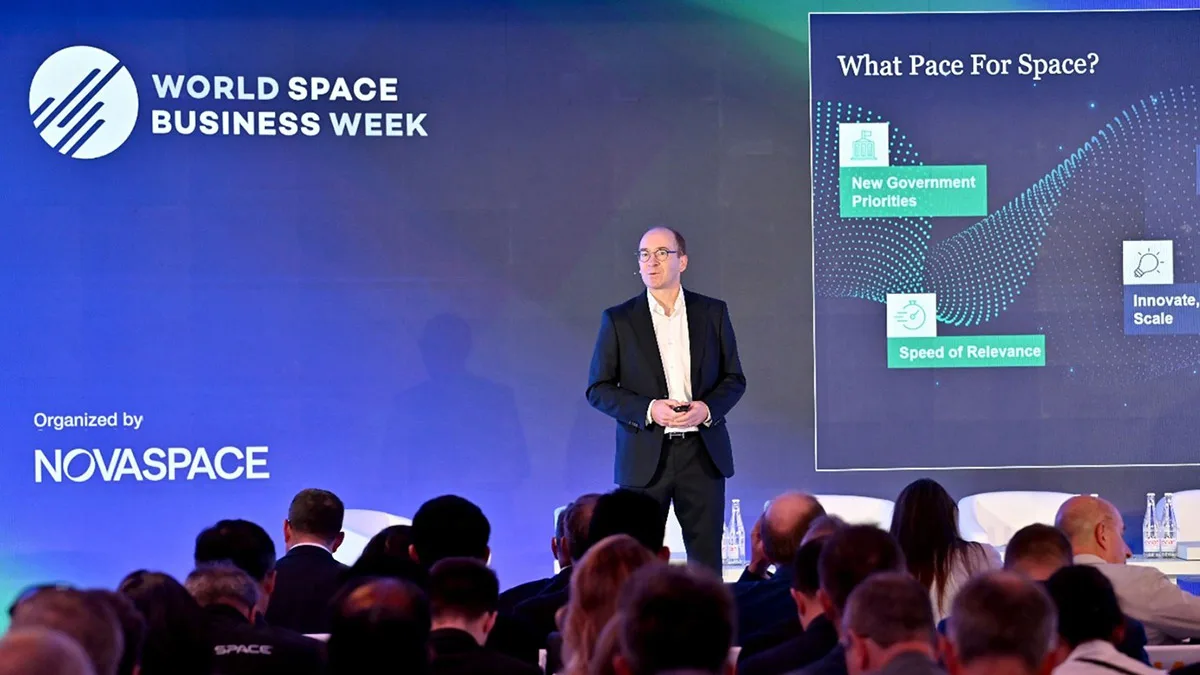
In a discussion at World Space Business Week, leading Earth observation market executives discussed their exposure to, and reliance on defense markets. While some were more confident than others, do the deep pockets and enduring demands of governments and militaries wed Earth observation to defense, and what does that mean for the developmental future of the technology?

Starlink’s Priority guarantees are changing the game for backhaul, enterprise, and maritime connectivity in ways Christopher Baugh and Lluc Palerm unpack in this episode. Traditional providers must now sharpen differentiation, defend quality in niche verticals, and translate service-level commitments into clear commercial value.

From rising government defense budgets to a surge in constellations and direct-to-device momentum, strategy and scale will decide who thrives. Expect rapid consolidation, AI-enabled services, and a race to deliver sovereign capabilities at speed.

Discover how the new Inbound Link Establishment protocol enables automatic link monitoring and rapid failover in seconds, minimizing mission disruption across satellites and ground segments. From NATO’s PlugFest evaluations to MILCOM 2025 workshop sessions, dive into the interoperability and scalability solutions shaping tomorrow’s resilient networks.

With satellites facing growing cyber and physical threats, AI-driven intrusion detection systems are now enabling real-time monitoring and autonomous response in orbit. These intelligent platforms strengthen resilience by identifying anomalies faster and protecting spacecraft integrity.

Cislunar space may be the ultimate high ground, but its vast distance poses challenges in infrastructure, timing and tracking. Join our guest to explore this critical domain.

Industry officials believe Elon Musk’s recent controversial behavior presents a golden opportunity for Europe’s space sector to counter the threat from his companies, SpaceX and Starlink. As customers express concern about relying on a single American provider, European companies like Eutelsat and Arianespace are promoting their sovereign satellite and launch services as crucial, reliable alternatives.

Software-defined satellite systems offer dynamic capacity and coverage that can be tailored to the end users’ specific needs. To learn more, Constellations spoke with a panel of experts: Park Boonyubol of Thaicom; Dallas Kasaboski of Analysys Mason; and John Chay of Kratos. Read our four takeaways from the discussion.

We all rely on GPS and GNSS capabilities in our day-to-day lives, but GPS systems are vulnerable to jamming and spoofing. Ian Canning, CEO of EACOWT, broke down how LEO constellations can add a layer of resiliency to GPS. Read our takeaways from the discussion.

APT41’s cyber espionage strikes at the heart of aerospace operational technology. The attackers exploited VPN vulnerabilities to infiltrate critical supply chains, deploying stealth malware and lateral movement techniques. The incident underscores the urgent need for robust cybersecurity measures to safeguard aerospace and aviation manufacturing operations.

Airbus CEO Guillaume Faury is pushing for scale and speed as discussions begin to consolidate the satellite divisions of Airbus, Thales, and Leonardo. This move could reshape Europe’s space industry, positioning it to better compete with major U.S. players in low-orbit constellations. The consolidation aims to unlock faster innovation and more robust investments in satellite production and services.