



Space is a Network.
Constellations is Your Connection.

Space & Orbital Operations

From falling launch costs to the rise of multi-orbit architectures, the sector is reshaping how capital flows into space infrastructure. Explore the four biggest trends driving this transition and what they mean for operators and investors.
NASA’s new lunar base plans could generate billions in commercial opportunities, but Artemis delays, technical challenges and continued dependence on government funding are likely to push large-scale growth of the lunar economy deeper into the 2030s.

While Europe’s HALO and IRIS² initiatives both aim to strengthen sovereign satellite communications, their ultimate success will depend on building interoperable, sovereign-controlled ground infrastructure that enables secure command, connectivity and cross-border operations.

ABI Research Principal Analyst Andrew Cavalier explains how Rocket Lab’s acquisition of Iridium signals a new era of vertically integrated space companies, reshaping competition, resilient PNT, spectrum strategy, and the future structure of the satellite services market.

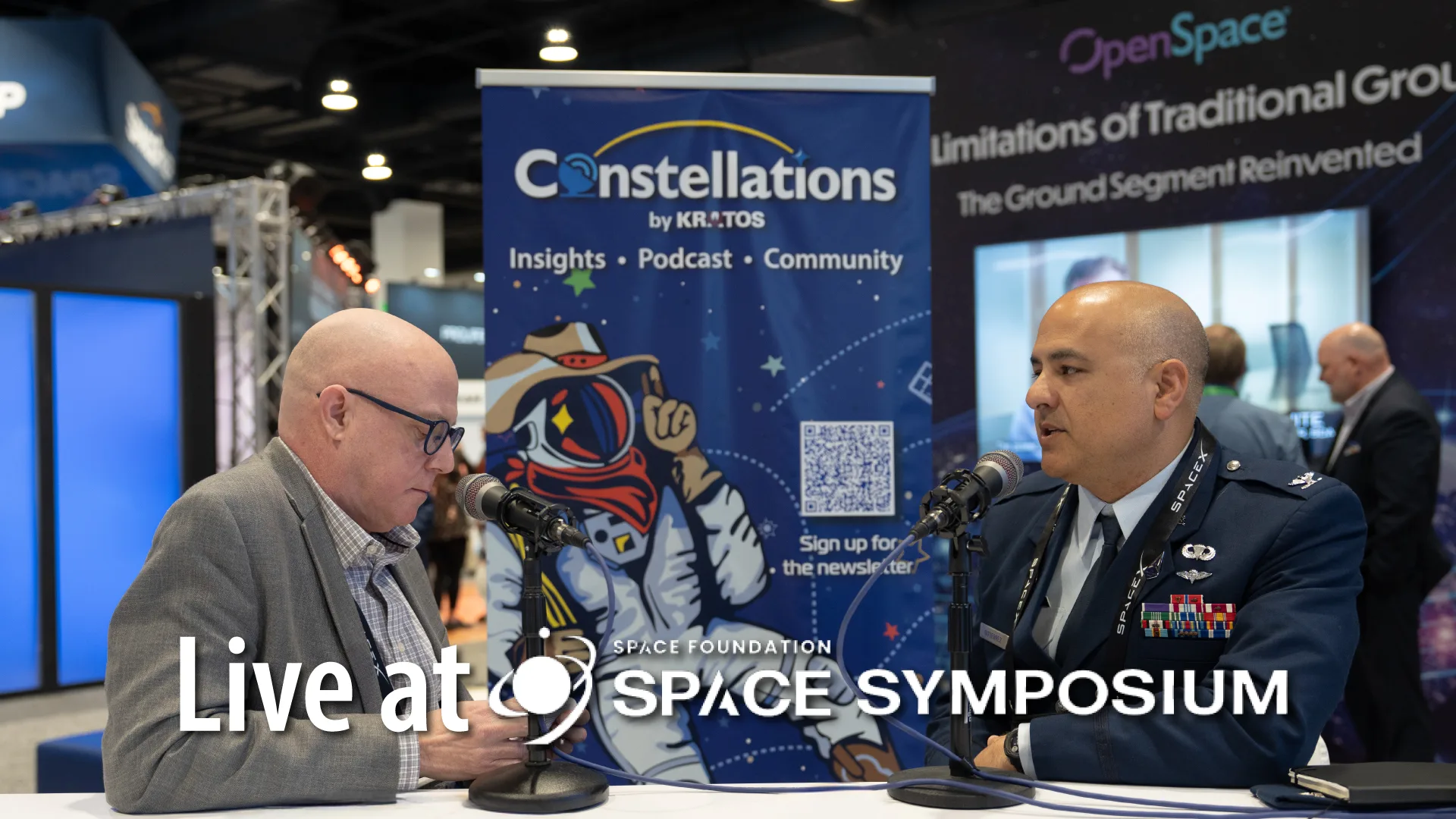
Colonel Eddie Gutierrez details how Mission Delta 3 is accelerating electronic warfare capabilities to keep pace with rapidly evolving space threats. He discusses Guardian readiness, improved targeting and the need for close coordination among operators, acquisition teams and industry to deliver effective EW systems at the speed of the mission.

By transitioning to software-defined systems, operators can slash costs by over 50% and accelerate deployment times from weeks to just a single day. This shift not only streamlines multi-orbit management but also provides a critical competitive edge in the emerging $30 billion 5G NTN market.

Nathan de Ruiter, Partner and Managing Director at Novaspace, breaks down the shifting supply-and-demand landscape for satellite capacity in Asia. Hear Nathan explain how pricing, competition, government programs and network evolution are reshaping operator strategy across one of the industry's fastest-changing regions.

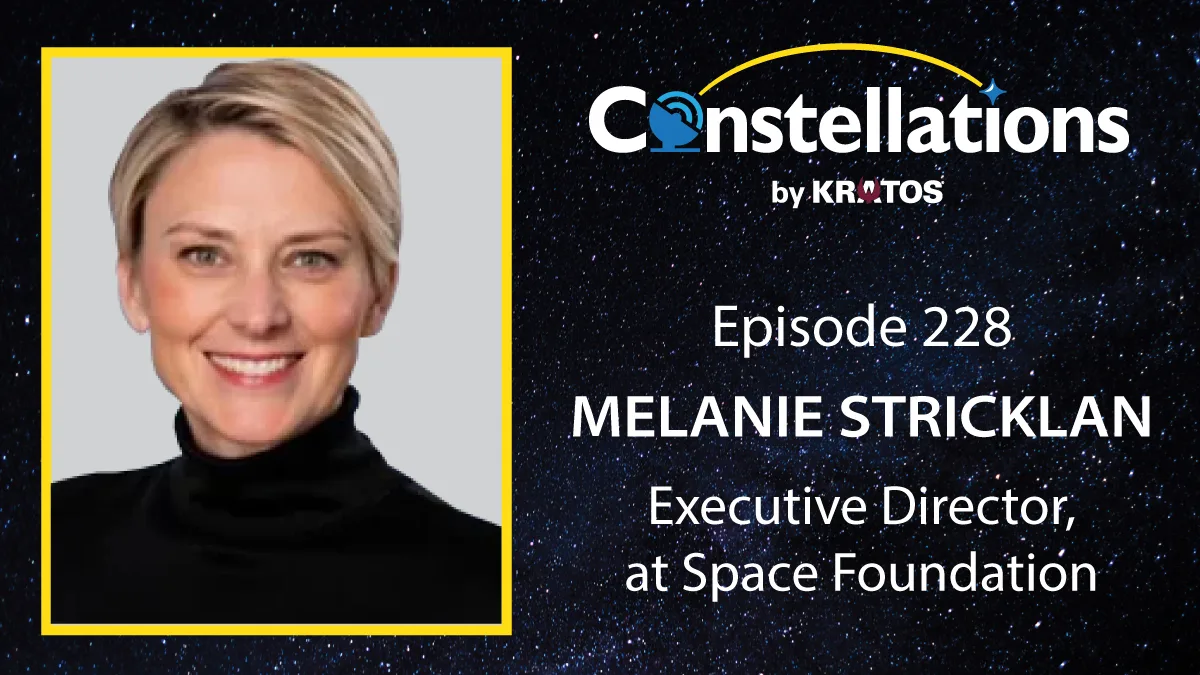
Melanie Stricklan of Space Foundation examines the growing complexity of modern space operations, showing how orchestrating space, ground, and cloud systems—and tackling issues like semantic misalignment and AI-driven autonomy—is redefining how missions succeed.

Smaller geostationary satellites are emerging as a flexible, lower-cost complement to both large GEO platforms and proliferated LEO constellations, enabling new commercial models and sovereign access while reshaping how operators deploy and manage capacity. At the same time, their adoption is driving more dynamic, disaggregated architectures and faster technology refresh cycles, reinforcing GEO’s continued strategic relevance in a multi-orbit future.

As threat actors shift from attacking perimeters to exploiting the implicit trust within CI/CD pipelines, the space sector faces an increasingly sophisticated software supply chain risk. This latest briefing analyzes how malicious libraries and compromised developer tools are bypassing traditional defenses to threaten mission-critical infrastructure and overall mission assurance.
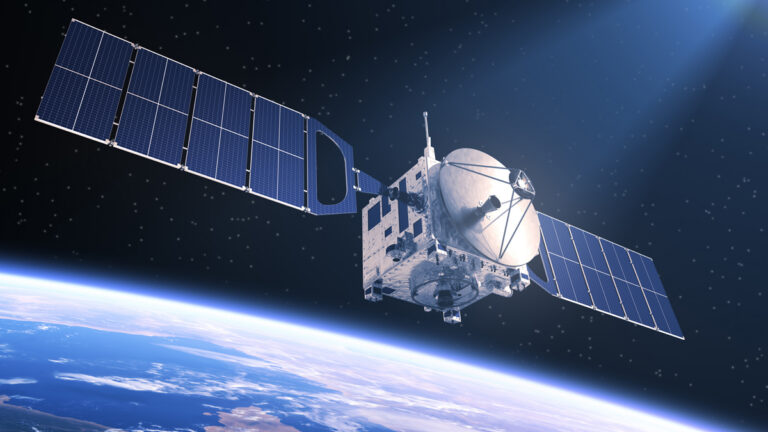
Highlights from a webinar on the business case for virtual ground systems explain how software-defined architectures are helping satellite operators scale constellations more efficiently while reducing costs and speeding deployment. The discussion outlines how virtualization supports multi-orbit operations, cloud integration, and evolving 5G-NTN capabilities, strengthening flexibility and return on investment for modern satellite networks.
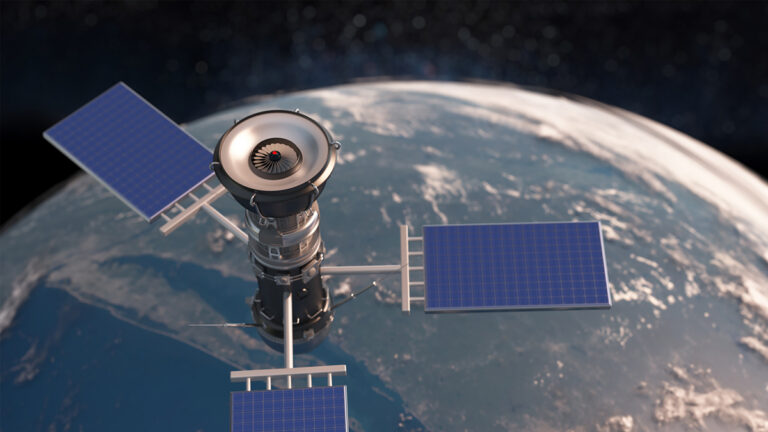
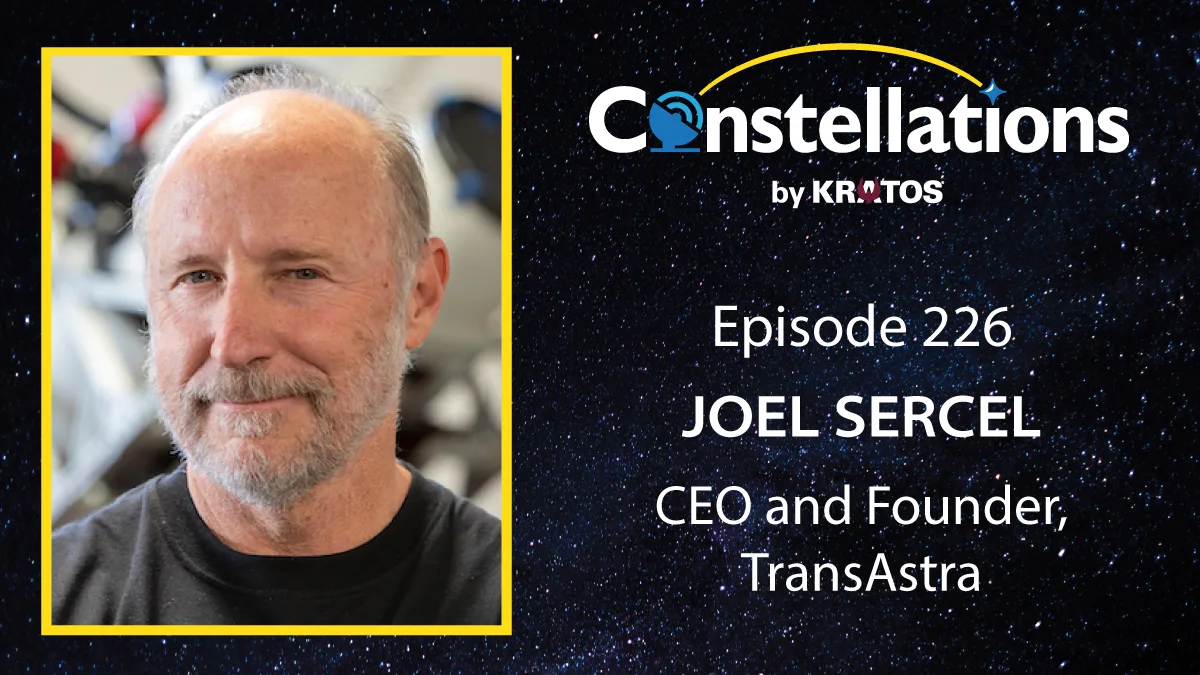
TransAstra’s innovative “Capture Bags” are designed to snag hazardous debris today, but the same inflatable technology is being built to harvest asteroids tomorrow. Discover how tackling the orbital debris crisis could ultimately unlock a massive new economy built on millions of tons of space-based materials.

The facility will begin limited deliveries for Telesat’s Lightspeed constellation later this year before reaching full production in 2027. Built around MDA’s adaptable Aurora platform, the factory aims to drive further orders by churning out both broadband and direct-to-device (D2D) satellites for major clients like Globalstar.

Bringing manufacturing in-house grants these companies the strategic advantage of controlling the entire stack, though it introduces substantial capital risk and threatens market fragmentation. To maintain optionality and outpace competition, vendors must pursue targeted M&A to navigate the rising geopolitical demand for sovereign data solutions.

This hybrid network utilizes Q- and V-band links to deliver speeds of 144 Gbps in LEO, while MEO optical links aim to provide throughput up to 6 Tbps. With a projected deployment start in late 2027, the system targets a capped capacity of roughly 100,000 customers, distinguishing itself from the broader consumer focus of Amazon Leo.

As global LEO constellations reshape satellite economics through scale and speed, Middle Eastern operators are charting a different path rooted in sovereignty, regulatory alignment and national strategy. How regional satellite companies are leveraging close ties with governments, multi-orbit collaboration and spectrum stewardship to remain relevant and grow.

In a year defined by Golden Dome, Starlink’s unprecedented scale, direct-to-device disruption and rising demands for sovereignty, 2025 marked a strategic inflection point. Quilty Space take a look back at the year’s milestones.

Peter Krauss of Terran Orbital talks about the importance of rapid iteration and accelerated development to build and deploy on-orbit assets more efficiently to support commercial innovation and national defense needs.

The campaign uses convincing recruiter profiles and malicious PDFs to deliver multi-stage malware that steals intellectual property and establishes long-term access. This blending of social engineering with developer-tool compromise raises direct risks for satellite communications firms, component manufacturers, and space-sector integrators.

In a discussion at World Space Business Week, leading Earth observation market executives discussed their exposure to, and reliance on defense markets. While some were more confident than others, do the deep pockets and enduring demands of governments and militaries wed Earth observation to defense, and what does that mean for the developmental future of the technology?

The combination of smallsat innovation, cost reduction and vertical integration is pushing the boundaries of what’s possible with synthetic aperture radar (SAR) imaging. Read our top four takeaways from our conversation with Brandon (BT) Cesul of Umbra.

Space is more crowded than ever as new satellites and old debris complicate navigation and overwhelm satellite data systems. Quantum machine learning (QML) can speed hyperspectral image processing and optimize satellite scheduling and routing, and deserves urgent exploration.

Satellites are becoming more maneuverable and agile. As space becomes an increasingly contested landscape, resilience across orbital regimes will be paramount. Read our top four takeaways from our conversation with Tom Campbell, president of space missions at Redwire Space.

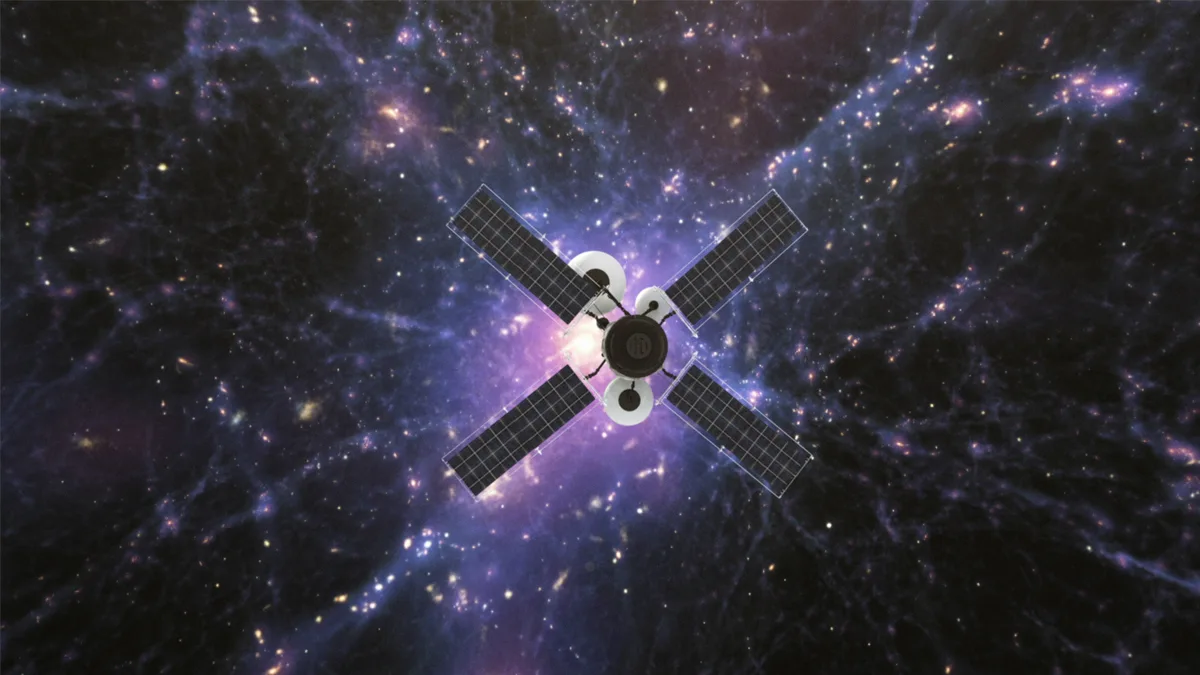
A graphing calculator has more processing power than most satellites. To pursue the next generation of space missions, operators will need better and faster compute capabilities in orbit. Read the top four takeaways from our conversation with Edward Ge, co-founder and CEO of Aethero.

Digital Transformation

What’s in Store at VOSS

Constellations talked to the Space ISAC team about what to expect from the 2026 Value of Space Summit, what’s new about the event and what they most love about the location.

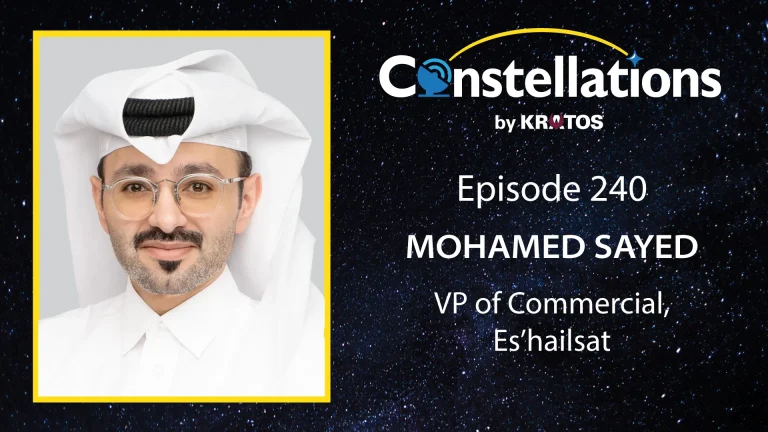
Mohamed Sayed, VP of Commercial at Es’hailsat joins Constellations to discuss how regional operators are navigating a new era of mega-constellations, as governments across the Middle East invest in sovereign space capabilities and secure communications-regional operators will start playing a bigger role.

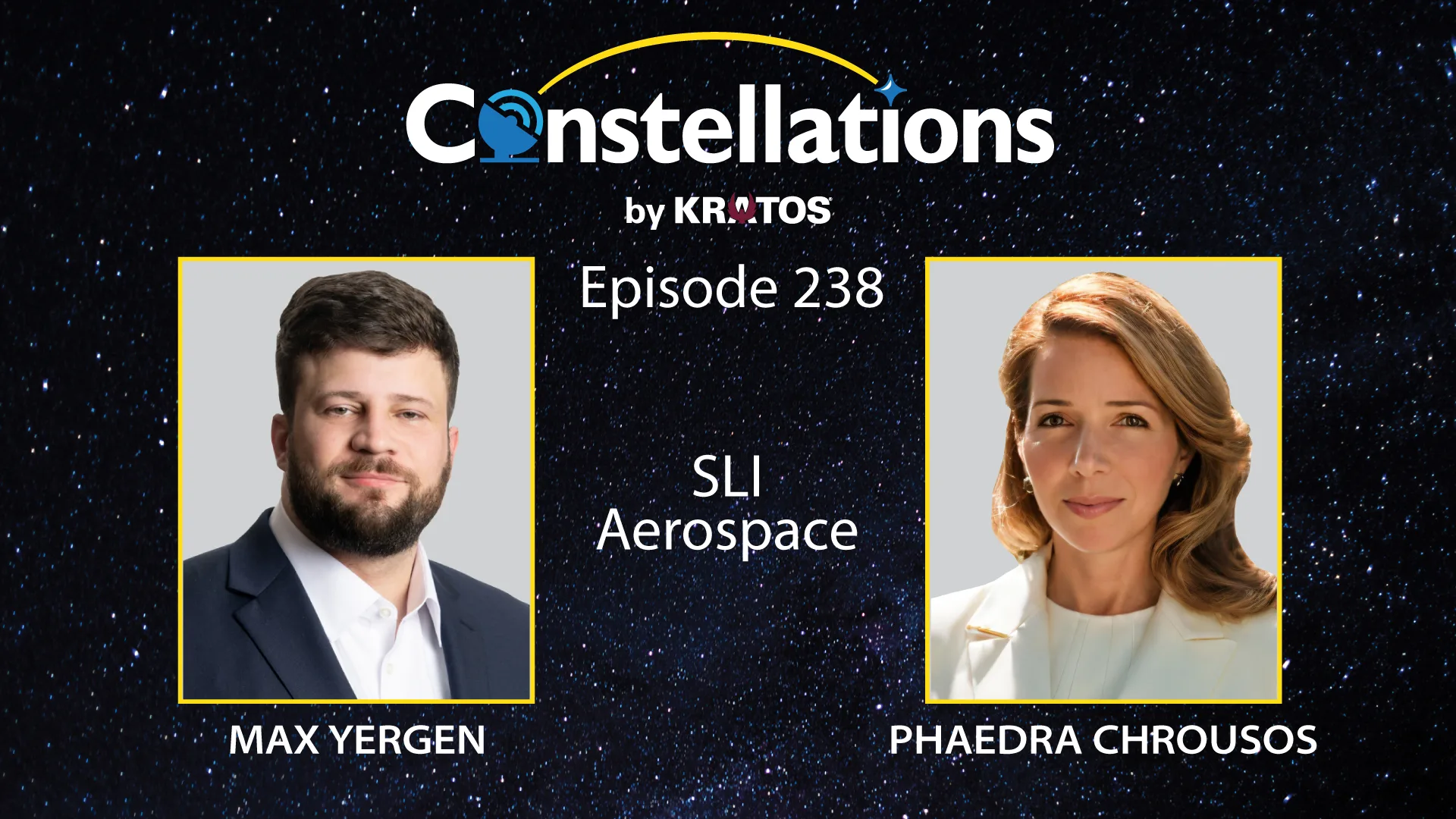
Financing in the space industry is often overlooked, yet a critical aspect to growth within the industry. Joining Constellations is Phaedra Chrousos and Max Yergan of SLI Aerospace, who will discuss how innovative financing models could accelerate the commercialization of space and reshape the economics of the industry for years to come.

As interest in nuclear power for space accelerates, experts examine how advanced reactors could enable sustained lunar operations while introducing new challenges around cybersecurity, autonomy, proliferation, and governance in the emerging cislunar economy.

DIFI PlugFest USA 2026 will test the latest version of the DIFI standard in more realistic, end-to-end network environments, helping advance interoperability, certification and digital transformation across next-generation multi-orbit satcom systems.

NASA is accelerating its return-to-the-Moon strategy by relying more heavily on commercial transportation and logistics as competition with China intensifies. Long-term success in cislunar space will depend less on any single technology and more on the ability to integrate transportation, communications, autonomy, power and surface infrastructure into a sustainable lunar ecosystem.

Market Competition & Strategy

What’s in Store at Space Industry Forum

Novaspace’s Nathan de Ruiter shares why the industry is moving past speculation toward real-time execution in areas like sovereign connectivity and multi-orbit strategies. Read the full interview to understand how operators are navigating a fragmented landscape defined by local regulation and the convergence of satellite and terrestrial networks.

Decades of satellite missions have generated vast amounts of dark data that remain largely unprocessed due to technical complexity, limited funding and a growing gap between data collection and analysis capabilities. Unlocking this data will require AI, improved onboard processing, open-source collaboration and stronger investment in academia and national labs to turn archived information into scientific, commercial and strategic value.

Increasing solar-weather volatility is exposing weaknesses in LEO constellation models, accelerating orbital decay, disrupting traffic management and forcing operators to rethink propulsion, lifecycles and autonomy. In response, the industry is shifting toward more resilient architectures to maintain reliability and reduce systemic risk.

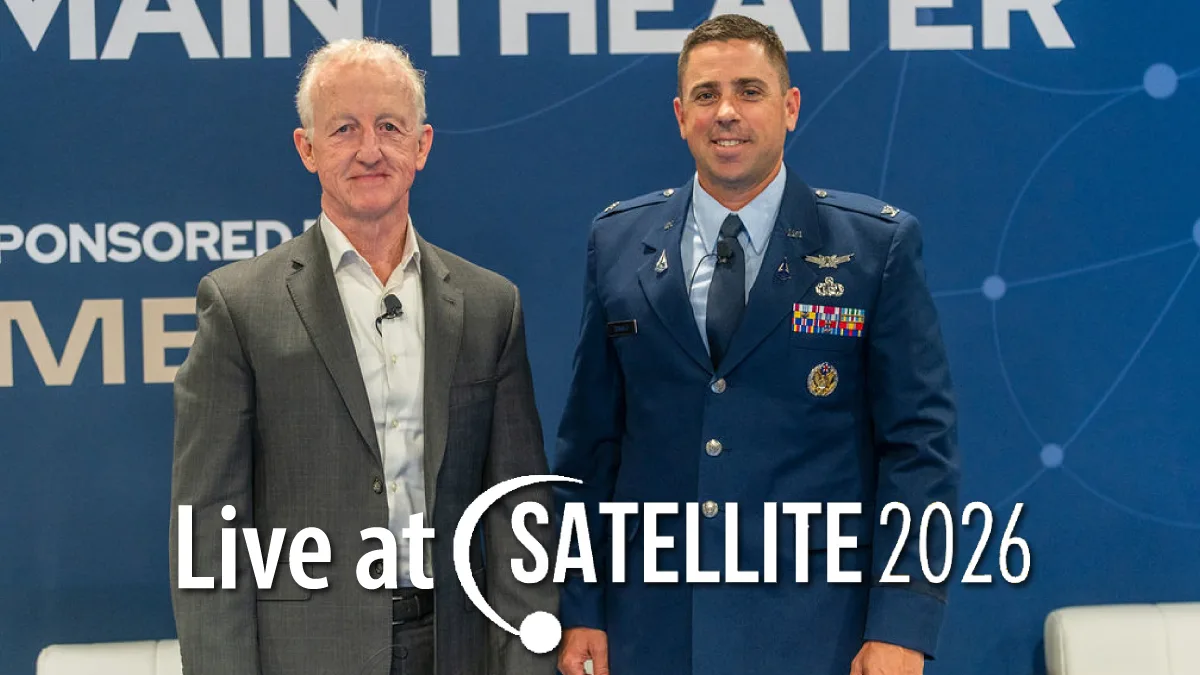
Colonel Tim Trimailo, Director of the Commercial Space Office, drives the Space Force's integration of commercial capabilities into missions. Listen to Colonel Trimailo as he explores how the commercial industry is accelerating the future of military space operations.

The satellite ground segment is evolving into a software-defined, cloud-native control layer that enables seamless integration with terrestrial 5G networks. Andrew Cavalier of ABI Research discusses the role of virtualization, AI-driven orchestration, and new consumption-based models in scaling NTN services and overcoming structural barriers to commercial deployment.

By moving AI processing directly onto satellites, the industry is shifting from slow, massive data dumps to real-time “event” detection at the edge. This evolution allows orbital sensors to filter through the noise and send instant, actionable insights—like a wildfire alert—instead of making analysts wait hours for a full downlink.

Paul Lasserre of Loft Orbital discusses how AI is quietly expanding its role in determining what satellites notice, flag and send home and weighs how this progression could reshape long-standing assumptions.

Routing this data directly into public clouds allows operators to clear the massive hurdle of machine learning ingestion while avoiding prohibitive egress fees. As NGSO constellations and vHTS architectures expand, applying these localized algorithms across deployed sensors will become mandatory for maintaining situational dominance and service quality.

The attribution of this failure to a micrometeorite strike bears a skeptical resemblance to the Inmarsat-6 F2 incident, where insurance underwriters questioned similar claims regarding an Airbus-built bus. Considering the tumbling and power loss issues previously suffered by its twin, SpainSat NG 1, it is worth scrutinizing whether this is truly bad luck with space debris or a recurring systemic fault in the satellite’s design.

By harvesting continuous solar power and utilizing the vacuum of space for passive cooling, these facilities offer a way to bypass the water and power limitations currently straining terrestrial grids. This shift not only supports heavy AI training loads but also enables “orbital data vaults” that process sensitive information outside the reach of regional regulations.

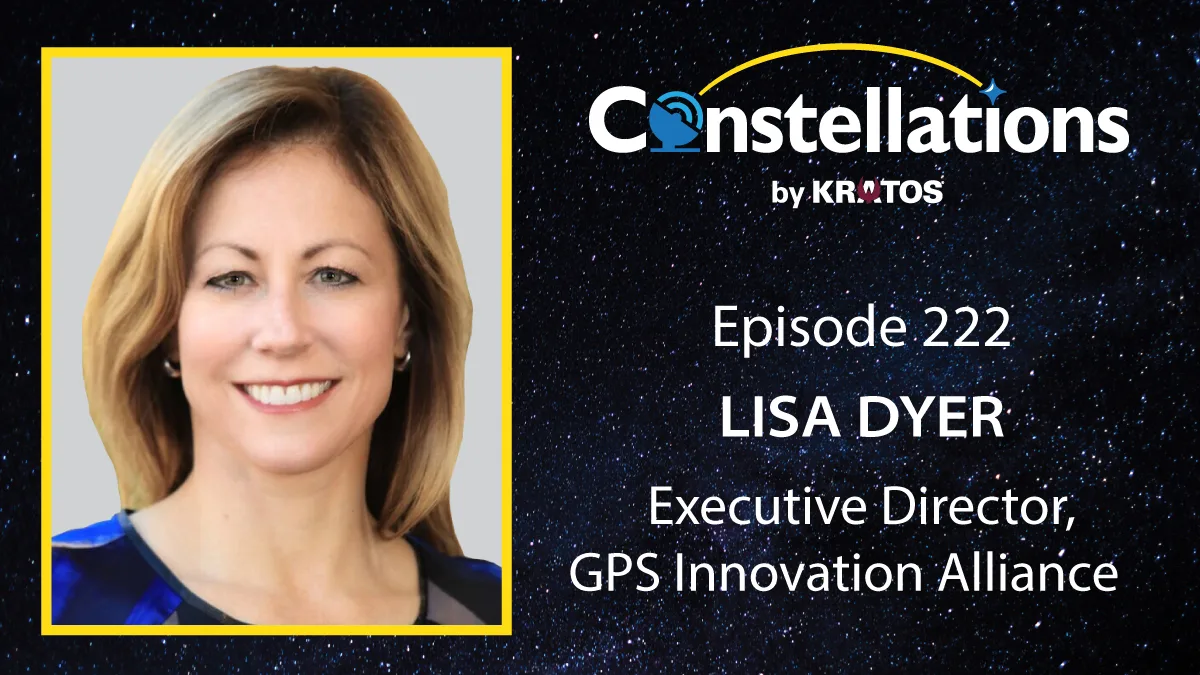
GPS expert Lisa Dyer talks about why resilience, interoperability and innovation across multiple GNSS constellations are becoming essential for both national security and commerce.

Kayhan Space CEO discusses how satellite operators can stay ahead of risk as the orbital environment grows more crowded and complex.

By detecting and discarding cloudy pixels before transmission, this technology saves crucial bandwidth and can slash downlink costs by up to $150,000 a year. This dynamic targeting allows even power-constrained CubeSats to operate more autonomously, ensuring they focus solely on delivering the highest-value data back to Earth.

Satellite direct-to-device (D2D) technology—originally designed for commercial connectivity—is emerging as a valuable complement to military communications, offering resilient, low-bandwidth links for logistics, IoT, and situational awareness in contested environments. How battle-tested commercial systems are evolving to meet defense needs, from PNT-enabled sensors to S-band architectures that can operate “hidden in plain sight.”

China’s delegates framed orbital crowding and collision avoidance as priorities for national regulation and international coordination, noting work on a national space traffic management and active debris-removal research. They emphasized using the UN framework and soft-law coordination rather than new treaties while acknowledging gaps in information-sharing and trust between major space powers.

In today’s space environment, cislunar space is the ultimate high ground. Elvis Silva of Blue Canyon Technologies, RTX’s smallsat manufacturer, explained why building infrastructure in cislunar space will soon be critical. Read our top four takeaways.

Artificial Intelligence & Analytics

AI Becomes Mission Control

AI is emerging as a critical tool for more resilient space operations, helping operators manage growing constellations, detect cyber threats, avoid collisions, predict failures and enable greater spacecraft autonomy.

Jesús Bernal Allende joins Constellations to explore how existing space law is being applied as autonomous systems take on a larger share of spacecraft decision making.

As orbital activity accelerates, the challenge for space situational awareness is shifting from collecting more data to ensuring its accuracy, interoperability and trustworthiness through advanced data fusion and greater collaboration among operators, governments and commercial providers.

Heather Pringle of Space Foundation explores how emerging technologies, cross sector collaboration and evolving mission design are shaping strategic advantage as activity expands into cislunar and deep space environments.

The growing shift toward virtualized, software-defined ground systems is accelerating adoption of interoperability standards like DIFI, enabling satellite operators to reduce dependence on proprietary hardware while supporting scalable multi-orbit networks, 5G NTN integration and future AI-native architectures.

Market Competition & Strategy

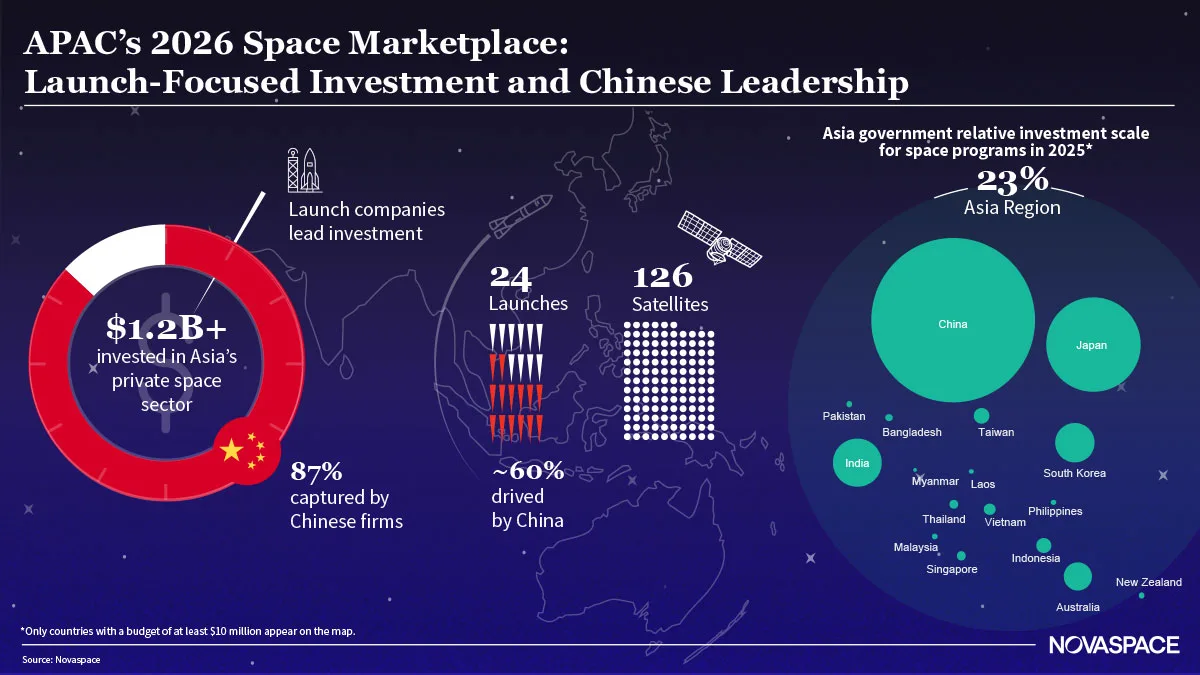
APAC’s 2026 Space Marketplace

As global LEO constellations reshape satellite economics through scale and speed, Middle Eastern operators are charting a different path rooted in sovereignty, regulatory alignment and national strategy. How regional satellite companies are leveraging close ties with governments, multi-orbit collaboration and spectrum stewardship to remain relevant and grow.

By securing Apple as a cornerstone partner, Amazon is officially launching a high-stakes challenge to Starlink’s orbital supremacy. The merger integrates Globalstar’s established spectrum with the “Amazon Leo” infrastructure to bring seamless, high-speed direct-to-device connectivity to the global market by 2028.

Advances in AI and onboard computing are gradually enabling satellites to take on more autonomous functions, particularly in processing data and managing operations in orbit. While autonomy can improve efficiency, technical constraints, connectivity limits and policy concerns mean this shift will be incremental rather than immediate.

The SpaceRise consortium—led by industry heavyweights SES, Eutelsat, and Hispasat—has finally hammered out the compromises needed to secure a multi-billion euro green light for the secure multi-orbit network. While the roadmap includes some technical concessions to hit aggressive 2030 deadlines, the deal marks a massive leap forward for Europe’s strategic autonomy in space-based communications.

Melanie Stricklan of Space Foundation examines the growing complexity of modern space operations, showing how orchestrating space, ground, and cloud systems-and tackling issues like semantic misalignment and AI-driven autonomy-is redefining how missions succeed.

Ground Segment & Telemetry

Making Gateways More Resilient

The physical attack on an SES gateway in Israel marks a turning point in how we view satellite infrastructure, shifting the focus from cyber threats to the urgent need for kinetic resilience. By adopting standards like DIFI to virtualize and distribute ground segment operations, organizations can ensure connectivity remains seamless even if a specific physical site is compromised.

Repeated GEO close approaches—led by Russia’s Luch satellites—are now seen as deliberate, not anomalous. They’re driving persistent SSA/SDA and a shift to more resilient, software-defined ground and space systems.

Operators transitioning to these software-based architectures can achieve nearly 40% in overall cost savings while significantly accelerating deployment cycles for new services. This technological shift is essential for capturing the $30 billion 5G NTN opportunity and ensuring long-term mission adaptability in a rapidly evolving orbital economy.

As low Earth orbit becomes increasingly crowded with mega-constellations, escalating collision and debris risks are pushing satellite operators to replace traditional, human-driven models with autonomous, AI-enabled space situational awareness and collision-avoidance systems embedded into mission design from the outset.

AI is accelerating malware development, vulnerability discovery, and deepfake-driven social engineering—without needing fully autonomous attacks. For commercial space, this means faster, tailored intrusions that can pivot from cloud-based enterprise networks into mission-critical ground and operations systems.

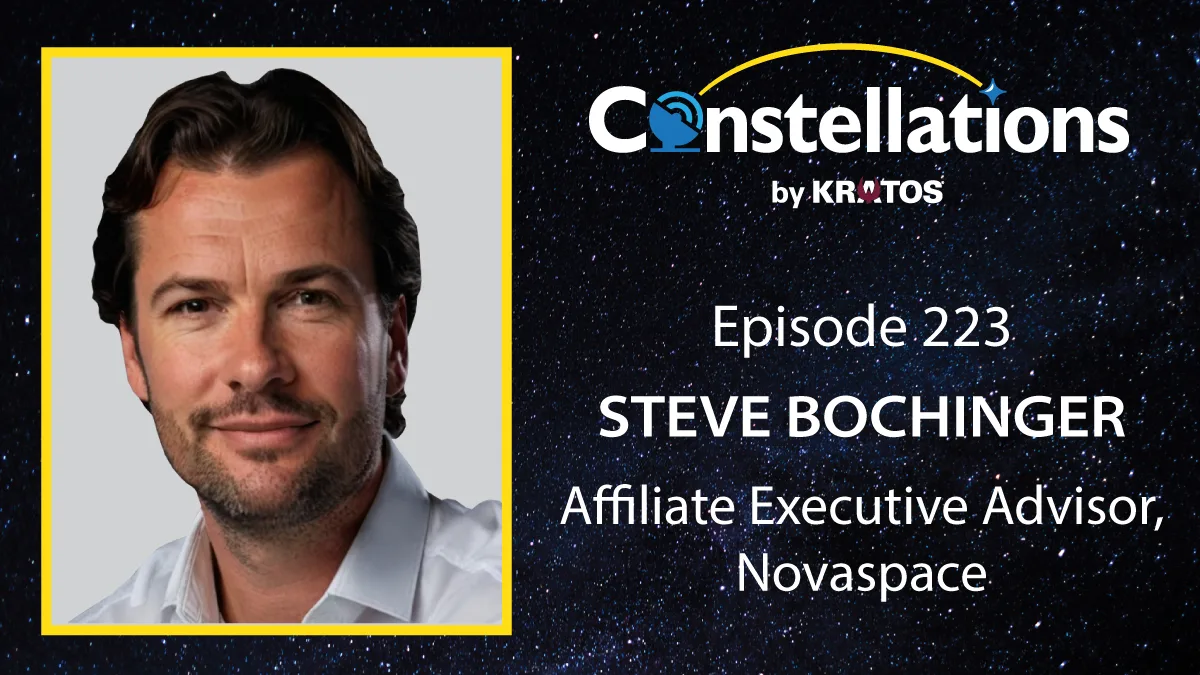
Steve Bochinger of Novaspace discusses the space sector development in the Middle East including the vision for space, investment opportunities, strategic partnerships and drive for sovereignty.

Backed by significant financing from Apple, the upcoming “C-3” network will utilize dynamic beam-forming technology to enhance mobile satellite services and expand coverage. While the company navigates manufacturing delays and regulatory hurdles in the US and France, it is proactively upgrading its ground infrastructure with 90 new antennas across 25 nations.

Germany has pledged €35 billion for military space programs through 2030, putting a national broadband constellation on the table even as Berlin remains a major Iris2 contributor. The move raises questions about duplication versus interoperability between national and EU systems and underscores the push to balance sovereignty with European cooperation.

Guest Peter Krauss of Terran Orbital talks about the importance of rapid iteration and accelerated development to build and deploy on-orbit assets more efficiently to support commercial innovation and national defense needs.

In 2024, a geomagnetic storm resulted in the largest satellite migration in history. While the effects of space weather are increasingly well-understood, the systems in place to protect satellites are still disjointed. Commercial companies, government organization, and JHPL’s recent Space Weather Tabletop Exercise are working to change that.

Virtualized, cloud-native ground systems let AI adapt quickly and secure operations through live telemetry. Standards and interoperability make training data consistent and scalable across diverse satellite and terrestrial elements.

From rising government defense budgets to a surge in constellations and direct-to-device momentum, strategy and scale will decide who thrives. Expect rapid consolidation, AI-enabled services, and a race to deliver sovereign capabilities at speed.

Eleven satellite imaging firms have formed the Remote Sensing Collective to urge ITU members to preserve the 8.025–8.4 GHz band exclusively for Earth-observation satellites. With global regulators set to decide at Shanghai’s WRC-27, opening X-Band to terrestrial 5G could undermine future military surveillance and disaster-response imaging.